
In the pursuit of a sustainable and eco-friendly future, compressed biogas (CBG) plants stand as a pioneering solution at the intersection of waste management and clean energy production. These plants efficiently convert organic waste into compressed biogas, a versatile fuel with the potential to transform various sectors. In this article, we’ll explore the present and future of compressed biogas plants, examining their impact on renewable energy, waste reduction, and the broader landscape of sustainable development.
The Essence of Compressed Biogas Plants
Compressed biogas is derived from the anaerobic digestion of organic materials, a process where microorganisms break down biomass in the absence of oxygen. The result is a mixture of methane and carbon dioxide, which, when compressed, becomes a potent and clean energy source.
Key Components of Compressed Biogas Plants:
- 1. Feedstock Collection: Organic waste, including agricultural residues, food waste, and sewage, serves as the primary raw material.
- 2. Anaerobic Digestion: The feedstock undergoes anaerobic digestion in specialized digesters, releasing biogas.
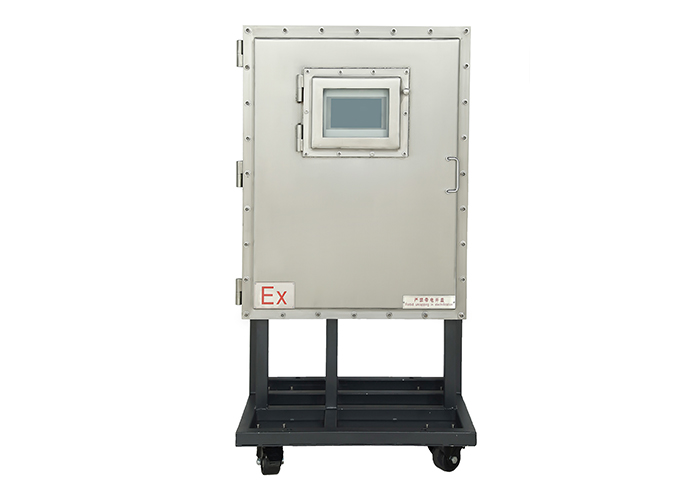
- 3. Monitoring equipment: Biogas analyzer, which uses advanced photoelectric sensing principles to detect methane (CH4), oxygen (O2), carbon dioxide (CO2), hydrogen sulfide (H2S), etc. For example, the OLGA2000 biogas online monitoring system can be widely used in gas monitoring in landfill biogas power plants, petrochemical industries, coal mines and other scenarios, and can achieve remote data transmission.
- 4. Biogas Upgrading: The biogas undergoes purification processes to remove impurities, ensuring it meets the required standards.
- 5. Compression: The purified biogas is compressed to reduce volume, making it easier to store and transport.
- 6. Storage and Distribution: The compressed biogas is stored in high-pressure cylinders or tanks, ready for use in various applications.
The Future Potential:
- 1. Technological Advancements:
Ongoing research and development are likely to bring about technological advancements, making CBG production more efficient and cost-effective.
- 2. Integration with Renewable Energy Grids:
As the importance of decentralized energy sources grows, CBG plants can be integrated into renewable energy grids, providing localized and sustainable power.
- 3. Policy Support and Incentives:
Government policies promoting renewable energy and waste management can provide crucial support for the widespread adoption of CBG plants.
- 4. Community-Based Initiatives:
Localized CBG projects, especially in rural areas, can empower communities by providing them with a renewable and locally sourced energy solution.
- 5. Public Awareness and Acceptance:
Educating the public about the benefits of CBG and dispelling misconceptions will play a crucial role in its widespread acceptance and adoption.

Challenges and Considerations:
- 1. Infrastructure Development: Establishing the necessary infrastructure for CBG production and distribution may require significant investment.
- 2. Feedstock Availability: The consistent supply of organic waste is essential for continuous CBG production.
- 3. Market Development: Creating markets for CBG and ensuring its competitiveness against traditional fuels is a challenge that needs to be addressed.
Conclusion: A Cleaner Energy Horizon
Compressed biogas plants represent a crucial intersection of sustainability, waste management, and clean energy production. Their future holds the promise of a cleaner energy horizon where organic waste is not merely disposed of but transformed into a valuable resource. As technological innovations and supportive policies continue to pave the way, compressed biogas plants are poised to play a central role in the transition to a more sustainable and environmentally conscious energy landscape.
 Manufacturer of biogas analyzer, landfill gas analyzer and extraction monitor, anaerobic digester gas analyzer