
In the ongoing pursuit of sustainable and eco-friendly energy solutions, researchers and innovators are turning their attention to an unlikely source: human waste. The production of methane gas through the anaerobic digestion of human waste holds incredible promise as a renewable energy source with the potential to revolutionize the way we generate power. This article explores the untapped potential of harnessing methane gas from human waste and its role in the green energy revolution.
The Power of Anaerobic Digestion
At the heart of this revolutionary concept is a process known as anaerobic digestion. This natural biological process occurs in the absence of oxygen, where microorganisms break down organic matter, such as human waste, producing biogas as a byproduct. Biogas, predominantly composed of methane (CH4) and carbon dioxide (CO2), is a potent and clean energy source.
Turning Human Waste into Energy
1. Collection and Segregation
Human waste, including sewage and organic matter, is collected and separated from other types of waste. This can be sourced from households, sewage treatment plants, or community sanitation systems.
2. Anaerobic Digestion
The collected waste is introduced into anaerobic digesters. In these sealed environments, microorganisms thrive, breaking down the organic matter and releasing methane gas.
3. Biogas Capture
The methane-rich biogas produced during digestion is captured and stored. Advanced technologies ensure efficient collection and containment.
4. Monitoring equipment:
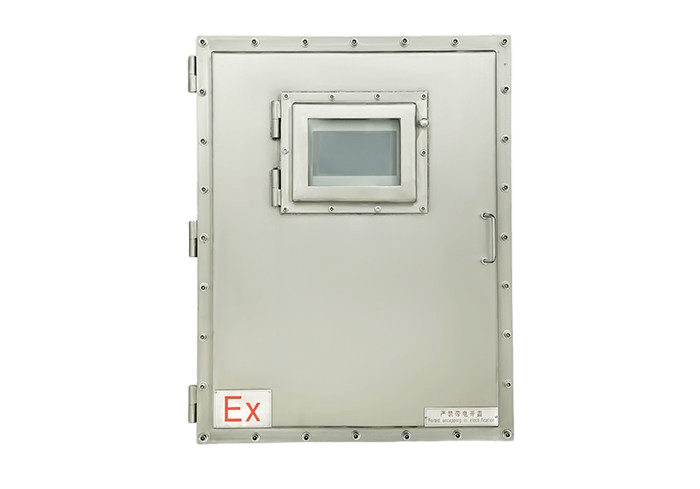
During the biogas production process, a biogas analyzer is needed to monitor the composition of the biogas. For example, the OLGA2000 biogas online monitoring system uses advanced photoelectric sensing principles to detect and analyze methane (CH4), oxygen (O2), carbon dioxide (CO2), hydrogen sulfide (H2S) and other gases.
5. Gas Utilization
The captured biogas can be utilized in various ways, including electricity generation, heating, or as a replacement for traditional cooking fuels.
The Environmental and Social Impact
- 1. Reduced Methane Emissions
- By capturing methane from human waste, which would otherwise be released into the atmosphere, this process significantly reduces greenhouse gas emissions. Methane is a potent contributor to climate change, and its responsible management is crucial.
- 2. Waste Management
- The anaerobic digestion of human waste provides an effective solution for waste management. It diverts waste from landfills, minimizing the environmental impact associated with conventional disposal methods.
- 3. Renewable Energy Source
- Methane gas from human waste qualifies as a renewable energy source. Unlike finite fossil fuels, this source can be continuously replenished as long as waste is available for digestion.
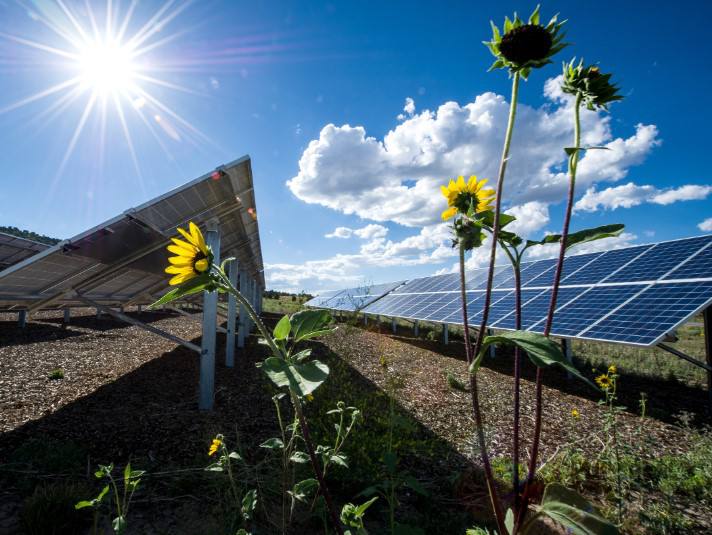
The utilization of methane gas from human waste represents a transformative step in the green energy revolution. It not only addresses waste management challenges but also contributes to mitigating climate change by reducing methane emissions. As the world seeks cleaner and more sustainable energy sources, the harnessing of methane from human waste exemplifies the ingenious ways in which we can turn challenges into opportunities for a greener, more sustainable future.
 Manufacturer of biogas analyzer, landfill gas analyzer and extraction monitor, anaerobic digester gas analyzer