
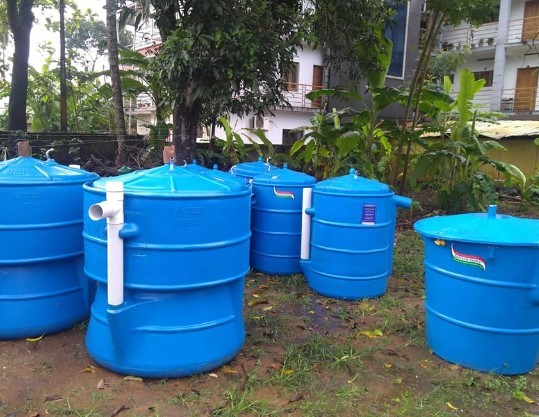
In the pursuit of sustainable living and environmentally conscious energy solutions, portable biogas plants have emerged as a compelling option. These compact systems not only contribute to waste management but also provide a renewable source of energy. In this article, we will delve into the world of portable biogas plants, examining their prices, features, and the transformative potential they hold for sustainable living.
The Rise of Portable Biogas Plants
Portable biogas plants, also known as domestic biogas digesters, represent a decentralized approach to biogas production. Unlike larger industrial setups, these systems are designed to be used at the household or community level. They leverage the same principles of anaerobic digestion to convert organic waste into biogas, which can be utilized for cooking, heating, and more.
Understanding Portable Biogas Plant Prices
- 1. Initial Investment: The cost of a portable biogas plant can vary based on factors such as size, materials used, and the technology employed. Generally, these systems are more affordable than larger, industrial-scale biogas plants.
- 2. Material Quality: The quality of materials used in the construction of the digester, gas storage, and other components can influence the overall price. High-quality, durable materials may result in a higher upfront cost but can contribute to the longevity and efficiency of the system.
- 3. Technology Features: Advanced features, such as automatic mixing systems, temperature control, and gas purification mechanisms, can add to the cost. These features, however, enhance the efficiency and user-friendliness of the portable biogas plant.
- 4. Capacity: The capacity of the biogas plant, measured in terms of the volume of organic waste it can process, can impact the price. Larger capacity systems generally cost more but may be necessary for households with higher waste generation.
Features that Transform Sustainability
- 1. Compact Design: Portable biogas plants are designed to be space-efficient and easy to install. Their compact design makes them suitable for both rural and urban settings.
- 2. Ease of Use: Many portable biogas plants are designed with user-friendly features, allowing households to easily feed organic waste into the system and collect biogas for various applications.
- 3. Efficient Gas Storage: The gas storage system, often a floating drum or fixed-dome design, ensures a continuous and efficient supply of biogas for daily use.
- 4. Versatility: These systems can handle a variety of organic waste materials, including kitchen scraps, food waste, and animal manure, providing a versatile solution for different types of households.
- 5. Low Environmental Impact: By converting organic waste into biogas, portable biogas plants contribute to waste reduction, lower methane emissions, and promote a circular economy.
Portable biogas plants represent a transformative approach to sustainable living. As the world grapples with environmental challenges and the need for decentralized, eco-friendly energy solutions, these systems offer a promising avenue. By exploring the prices and features of portable biogas plants, individuals and communities can make informed decisions that not only align with their budget but also contribute to a more sustainable and resilient future. The unlocking of sustainability through portable biogas plants is not just an investment; it’s a step towards a cleaner, greener, and more responsible way of living.
 Manufacturer of biogas analyzer, landfill gas analyzer and extraction monitor, anaerobic digester gas analyzer