
In the pursuit of sustainable energy solutions, the convergence of wastewater treatment and biogas production has emerged as a powerful and innovative approach. This synergy not only addresses environmental concerns related to wastewater management but also harnesses the potential of organic waste to generate clean and renewable energy. In this article, we will explore the symbiotic relationship between wastewater treatment and biogas production, showcasing how this dual-purpose system contributes to a greener and more sustainable future.
Wastewater Treatment: A Necessity and Opportunity
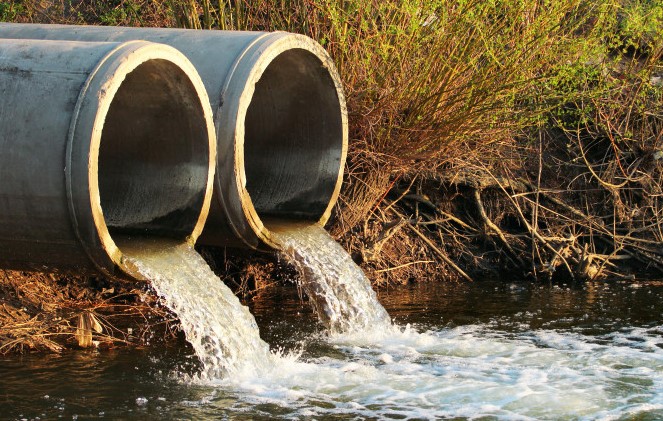
Wastewater is an inevitable byproduct of human activities and industrial processes. Its proper treatment is essential for safeguarding the environment and public health. Traditional wastewater treatment plants focus on removing pollutants and contaminants from water before its release into natural water bodies. However, modern approaches go beyond mere treatment; they transform wastewater into a valuable resource through the integration of biogas production.
Biogas Production through Anaerobic Digestion
At the heart of this synergy is the process of anaerobic digestion, a natural biological mechanism where microorganisms break down organic matter in the absence of oxygen. Wastewater, rich in organic content, serves as an ideal feedstock for anaerobic digesters. As organic compounds in the wastewater undergo decomposition, methane-rich biogas is produced as a byproduct.
The Dual Benefits of Wastewater-to-Biogas Systems
1. Clean Energy Generation:
Biogas as a Fuel Source: The methane-rich biogas produced during wastewater treatment can be captured and utilized as a clean and renewable energy source. This versatile energy can be employed for electricity generation, heating, or as a fuel for various industrial processes.
Reduction of Greenhouse Gas Emissions: By capturing methane, a potent greenhouse gas, and utilizing it as an energy source, wastewater-to-biogas systems contribute significantly to mitigating climate change. The controlled extraction and use of methane prevent its release into the atmosphere, where it would contribute to global warming.
2. Enhanced Wastewater Treatment:
Efficient Organic Waste Removal: Anaerobic digestion not only produces biogas but also enhances the overall efficiency of wastewater treatment. The breakdown of organic matter reduces the biological oxygen demand (BOD) of the water, ensuring a cleaner discharge into natural water bodies.
Nutrient-Rich Byproducts: The residual sludge from the anaerobic digestion process is nutrient-rich and can be repurposed as a valuable fertilizer for agriculture. This closed-loop approach ensures that the byproducts of wastewater treatment become inputs for other beneficial processes.
Challenges and Considerations
Infrastructure Investment: Implementing integrated systems requires an initial investment in the necessary infrastructure, including anaerobic digesters and gas utilization systems.
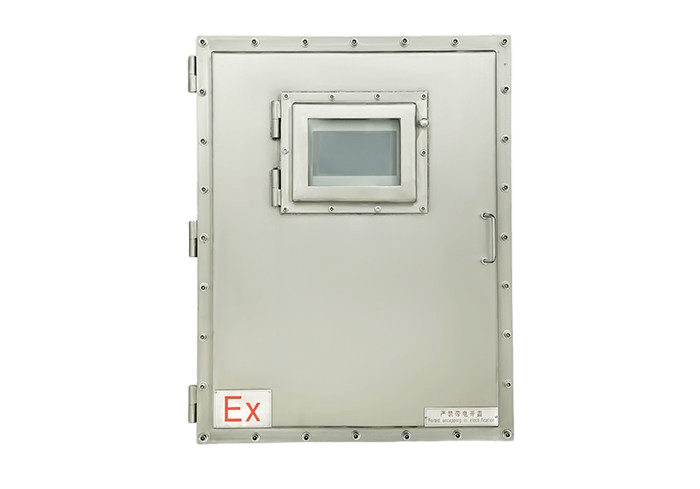
During the biogas production process, the required equipment is a biogas analyzer, which uses advanced photoelectric sensing principles to detect and analyze methane (CH4), oxygen (O2), carbon dioxide (CO2), hydrogen sulfide (H2S) and other gases. For example OLGA2000 Online Biogas Monitoring System can be widely used in gas monitoring in landfill gas power plants, petrochemicals, coal mines and other scenarios, and can realize remote data transmission.
As the world continues its quest for sustainable practices, the synergy between wastewater treatment and biogas production stands as a beacon of innovation, offering a pathway to a greener and more harmonious coexistence with our environment.
 Manufacturer of biogas analyzer, landfill gas analyzer and extraction monitor, anaerobic digester gas analyzer