

In the quest for sustainable and renewable energy sources, researchers and farmers alike are turning to an age-old ally: cows. Cows are not just milk providers and farm companions; they are becoming pioneers in the art and science of producing biogas from dung. This innovative process, often referred to as “Cow Power,” not only addresses waste management concerns but also offers a clean and renewable energy solution. In this article, we’ll delve into the fascinating world of making biogas from cow dung.
The Basics of Cow Power
At its core, Cow Power involves the anaerobic digestion of cow dung to produce biogas. Anaerobic digestion is a natural biological process where microorganisms break down organic matter in the absence of oxygen. This process results in the release of biogas, which is primarily composed of methane (CH4) and carbon dioxide (CO2).
The steps in the Cow Power process are:
- 1. Collection of Cow Dung: The process begins with the collection of cow dung, which is rich in organic matter. This collected dung serves as the primary feedstock for biogas production.
- 2. Feedstock Mixing: The collected cow dung is often mixed with water to create a slurry. This slurry is then introduced into an anaerobic digester.
- 3. Anaerobic Digestion: Within the digester, microorganisms get to work on breaking down the organic matter in the cow dung. This microbial activity produces biogas as a byproduct.
- 4. Biogas Capture: The generated biogas, being lighter than air, rises to the top of the digester and is captured for further use.
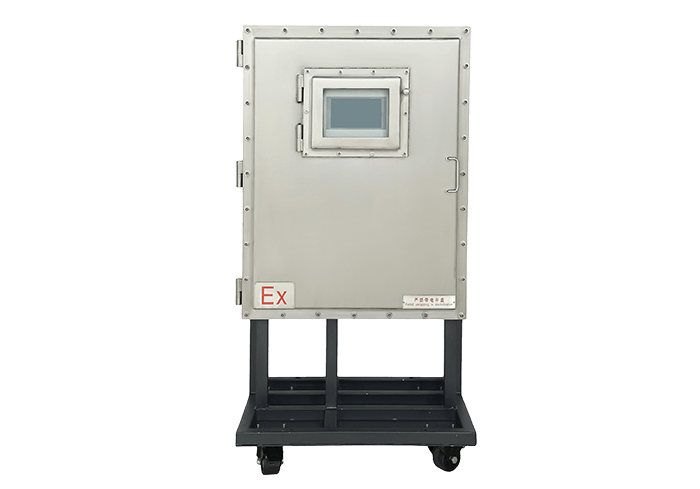
- 5. Biogas monitoring: Biogas analyzer uses advanced photoelectric sensing principles to detect methane (CH4), oxygen (O2), carbon dioxide (CO2), hydrogen sulfide (H2S), etc. For example, the OLGA2000 biogas online monitoring system can be widely used in gas monitoring in landfill biogas power plants, petrochemical industries, coal mines and other scenarios, and can achieve remote data transmission.
- 6. Gas Utilization: The captured biogas can be used for various applications, including cooking, heating, electricity generation, and even as a fuel for vehicles.
The Benefits of Cow Power
- 1. Renewable Energy Source:Cow Power provides a renewable energy source in the form of biogas, reducing dependence on non-renewable fossil fuels.
- 2. Waste Management:By utilizing cow dung for biogas production, farms can efficiently manage and repurpose what would otherwise be considered waste.
- 3. Reduced Greenhouse Gas Emissions:The process of anaerobic digestion significantly reduces methane emissions from cow dung, mitigating the environmental impact.
- 4. Energy Independence for Farms:Cow Power allows farms to generate their energy, providing a degree of energy independence and reducing reliance on external sources.
- 5. Nutrient-Rich Byproduct:The leftover material from the anaerobic digestion process, known as digestate, is nutrient-rich and can be used as an excellent organic fertilizer.
Challenges and Considerations
While Cow Power is a promising solution, there are challenges and considerations to address:
- Initial Investment: Setting up the necessary infrastructure, such as anaerobic digesters, may require an initial investment.
- Maintenance: Regular maintenance of the anaerobic digestion system is crucial for optimal performance.
- Feedstock Availability: The consistent availability of cow dung, especially in large-scale farming operations, needs careful consideration.
The Future of Cow Power
As technology advances and awareness of sustainable practices grows, Cow Power is poised to play a significant role in the transition to cleaner and more sustainable energy. Farms around the world are recognizing the potential of turning a traditionally overlooked resource—cow dung—into a valuable asset in the pursuit of renewable energy and environmentally responsible farming practices.
In conclusion, Cow Power is a harmonious blend of age-old agricultural practices and cutting-edge technology. By tapping into the natural processes within cow dung, we are not only addressing environmental challenges but also harnessing a powerful source of renewable energy. As the world seeks innovative solutions to balance energy needs and environmental concerns, Cow Power stands out as a testament to the ingenious ways in which nature and technology can collaborate for a more sustainable future.
 Manufacturer of biogas analyzer, landfill gas analyzer and extraction monitor, anaerobic digester gas analyzer