
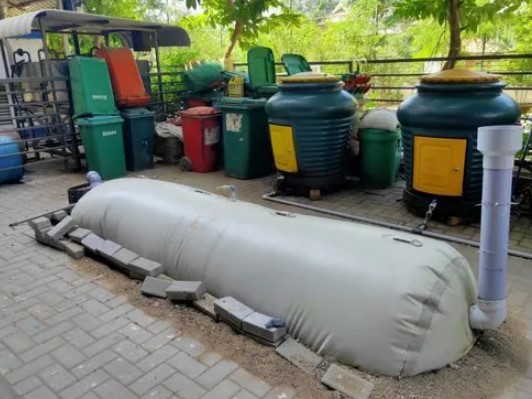
In the quest for sustainable living, individuals are increasingly turning to innovative solutions that not only address environmental challenges but also contribute to a greener and more eco-friendly lifestyle. Among these solutions, the biogas digester stands out as a versatile and sustainable technology with the potential to revolutionize how we manage waste and produce renewable energy. This article explores the role of a biogas digester in promoting eco-friendly living and its multifaceted benefits for both individuals and communities.
The Basics of a Biogas Digester
A biogas digester is a specialized system designed to harness the power of anaerobic digestion, a natural biological process in which microorganisms break down organic matter in the absence of oxygen. The key components of a biogas digester include:
- 1. Digestion Chamber: This is the primary vessel where organic waste, such as kitchen scraps, agricultural residues, and animal manure, is introduced. The digestion chamber provides an anaerobic environment that allows microorganisms to convert the organic matter into biogas.
- 2. Gas Storage: The biogas produced during the digestion process is stored in a dedicated chamber, ensuring a steady and accessible supply of renewable energy.
- 3. Gas Outlet: The collected biogas can be directed to various applications, including cooking, heating, and lighting, offering a clean and sustainable energy source.
- 4. Digestate Outlet: The residual material left after the digestion process, known as digestate, is rich in nutrients and can be used as an organic fertilizer for crops.
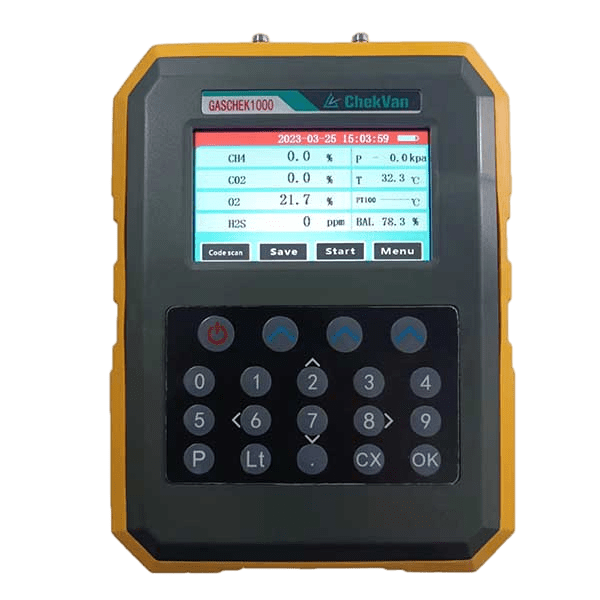
- 5. Monitoring equipment: the GASCHEK1000 portable biogas analyzer, use advanced photoelectric sensing principles to detect and analyze methane (CH4), oxygen (O2), carbon dioxide (CO2), hydrogen sulfide (H2S) and other gases, and accurately report , while effectively checking the digestive process.
Eco-Friendly Living Benefits
- 1. Waste Reduction: A biogas digester significantly contributes to waste reduction by converting organic waste into valuable resources. By diverting kitchen scraps and agricultural residues from landfills, it minimizes the environmental impact of traditional waste disposal methods.
- 2. Renewable Energy Production: The primary output of a biogas digester is biogas, a renewable energy source composed mainly of methane. This clean-burning gas can be harnessed for various domestic and agricultural energy needs, reducing reliance on non-renewable energy sources.
- 3. Greenhouse Gas Mitigation: The anaerobic digestion process in a biogas digester captures methane emissions, preventing their release into the atmosphere. Methane is a potent greenhouse gas, and by converting it into biogas, the technology actively contributes to mitigating climate change.
- 4. Circular Economy Integration: The digestate produced by a biogas digester serves as an excellent organic fertilizer. This closed-loop system integrates into the principles of a circular economy, promoting sustainability in agriculture and reducing the need for synthetic fertilizers.

Community and Global Impact
- 1. Rural Development: In rural and agricultural communities, biogas digesters play a pivotal role in providing decentralized and sustainable energy solutions. Farmers can utilize the biogas for cooking, heating, and lighting, enhancing their quality of life and reducing dependence on traditional fuels.
- 2. Community Empowerment: The adoption of biogas digesters fosters community empowerment by promoting self-sufficiency in energy production. This decentralized approach contributes to energy resilience and enhances the overall well-being of communities.
- 3. Global Sustainability Goals: The widespread adoption of biogas digesters aligns with global sustainability goals, including the reduction of greenhouse gas emissions, efficient waste management, and the promotion of clean and renewable energy sources.
In the pursuit of eco-friendly living, a biogas digester emerges as a transformative technology, offering a sustainable solution to waste management and renewable energy production. By converting organic waste into biogas, individuals and communities can actively contribute to a more sustainable and greener future. As the world strives to address environmental challenges, embracing the role of a biogas digester becomes not just a choice for sustainable living but a crucial step towards a more harmonious coexistence with our planet.
 Manufacturer of biogas analyzer, landfill gas analyzer and extraction monitor, anaerobic digester gas analyzer