
In the realm of renewable energy, biogas stands out as a remarkable solution, transforming organic waste into a valuable source of power. Understanding the dynamics of biogas formation is crucial for appreciating the environmental and sustainable benefits it offers. This article explores the intricate processes that turn waste into power, highlighting the science behind biogas formation.
The Basics of Biogas Formation
Biogas is produced through a natural process known as anaerobic digestion, where microorganisms break down organic materials in the absence of oxygen. The key components of this process include:
- 1. Organic Feedstock: Biogas production begins with organic feedstock, which can include a variety of waste materials such as agricultural residues, food scraps, sewage sludge, and other biomass. The diversity of feedstock allows for flexibility in biogas production.
- 2. Anaerobic Digestion: The organic feedstock is placed in an anaerobic digester—a sealed container that excludes oxygen. Inside the digester, a complex microbial community consisting of bacteria, archaea, and other microorganisms initiates the breakdown of organic matter.
- 3. Fermentation: During anaerobic digestion, complex organic compounds are fermented into simpler substances such as acids and alcohols. This fermentation process releases methane (CH₄) and carbon dioxide (CO₂) gases, which are the main components of biogas.
- 4. Methanogenesis: Methanogenic microorganisms, specifically archaea, play a crucial role in converting the intermediate products of fermentation into methane. This step is known as methanogenesis and is responsible for the high methane content in biogas.
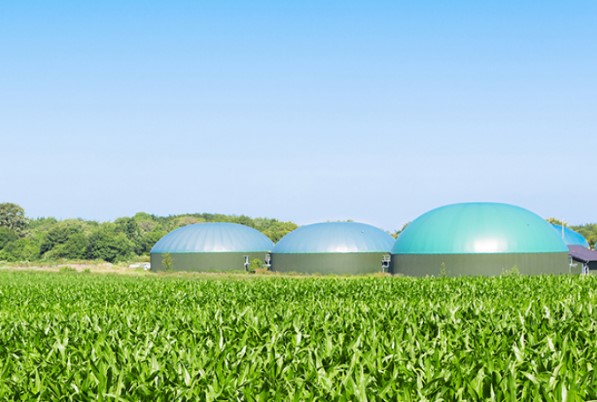
- 5. Gas Collection: As methane and carbon dioxide are produced, they accumulate in the biogas chamber. The collected biogas can be stored and utilized as a renewable energy source.
Environmental and Sustainable Benefits
- 1. Greenhouse Gas Reduction: The capture of methane during anaerobic digestion prevents its release into the atmosphere. Methane is a potent greenhouse gas, and by converting it into biogas, the process significantly reduces overall greenhouse gas emissions, mitigating climate change.
- 2. Waste Management: Biogas formation offers a sustainable solution to the management of organic waste. By diverting waste from landfills and utilizing it for energy production, biogas addresses environmental concerns associated with traditional waste disposal methods.
- 3. Renewable Energy Source: Biogas serves as a renewable energy source, providing an alternative to fossil fuels. It can be used for various applications, including electricity generation, heating, and as a clean-burning fuel for cooking.
Factors Influencing Biogas Formation
- 1. Feedstock Composition: The composition of the organic feedstock significantly influences the efficiency of biogas formation. Different materials break down at varying rates, affecting the overall gas yield.
- 2. Temperature and pH Levels: The efficiency of anaerobic digestion is influenced by temperature and pH levels. Methanogenic microorganisms thrive within specific temperature and pH ranges, and optimizing these conditions enhances biogas production.
- 3. Retention Time: The duration of organic material in the anaerobic digester, known as retention time, is a critical factor. Balancing the retention time ensures that microorganisms have sufficient time to break down the feedstock and maximize biogas production.
Conclusion
From waste to power, the dynamics of biogas formation showcase a sustainable and eco-friendly approach to energy generation. By harnessing the natural processes of anaerobic digestion, biogas not only provides a renewable energy source but also addresses waste management challenges and contributes to the reduction of greenhouse gas emissions. As the world seeks innovative solutions for a cleaner and more sustainable future, the dynamics of biogas formation offer a promising pathway to transform waste into power.
 Manufacturer of biogas analyzer, landfill gas analyzer and extraction monitor, anaerobic digester gas analyzer