
In the pursuit of sustainable and eco-friendly energy solutions, Sintex Biogas Plants have emerged as a transformative technology, converting organic waste into valuable green energy. This article explores the features, benefits, and applications of Sintex Biogas Plants, shedding light on their role in waste management and clean energy production.
The Sintex Biogas Plant Design
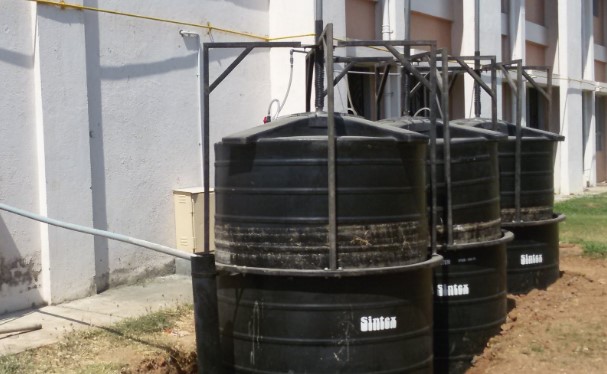
Sintex, a leading name in sustainable solutions, offers an innovative biogas plant design that efficiently transforms organic waste into biogas through anaerobic digestion. The design incorporates key components that maximize energy production while ensuring ease of use and maintenance.
Key Features:
- 1. Compact and Modular Design: Sintex Biogas Plants are known for their compact and modular design, making them suitable for a range of applications, from individual households to larger community settings. The modular nature allows for scalability, adapting to the specific needs of users.
- 2. High-Quality Construction Material: These biogas plants are constructed using high-quality materials, ensuring durability and longevity. The use of materials such as reinforced plastic enhances corrosion resistance and makes the plants suitable for diverse environmental conditions.
- 3. Easy Installation and Operation: Sintex Biogas Plants are designed for easy installation and user-friendly operation. This simplicity makes them accessible to a wide range of users, including rural communities and households, promoting decentralized waste-to-energy solutions.
Applications of Sintex Biogas Plants
- 1. Household Energy Generation: At the household level, Sintex Biogas Plants provide a sustainable solution for cooking and lighting. By converting kitchen waste and organic materials into biogas, households can reduce their reliance on traditional cooking fuels, contributing to cleaner indoor air quality.
- 2. Agricultural Residue Utilization: In agricultural settings, Sintex Biogas Plants can effectively utilize crop residues, animal manure, and other agricultural waste to generate biogas. This renewable energy source can be used for on-farm activities, including irrigation, heating, and powering agricultural machinery.
Environmental and Economic Benefits
- 1. Waste Management: Sintex Biogas Plants play a crucial role in waste management by converting organic waste into biogas. This not only reduces the burden on landfills but also addresses the environmental issues associated with the decomposition of organic waste.
- 2. Reduction of Greenhouse Gas Emissions: The anaerobic digestion process in Sintex Biogas Plants captures methane, a potent greenhouse gas, preventing its release into the atmosphere. This contributes to the reduction of greenhouse gas emissions and mitigates climate change.
- 3. Energy Cost Savings: Users of Sintex Biogas Plants experience cost savings by relying on biogas for cooking and lighting, thus reducing their dependence on traditional energy sources. This economic benefit enhances the affordability and attractiveness of the technology.
By addressing waste management challenges and contributing to clean energy production, Sintex Biogas Plants play a vital role in shaping a more sustainable and resilient future. As we navigate the complexities of waste management and energy transition, technologies like Sintex Biogas Plants pave the way for a greener and more sustainable world.
 Manufacturer of biogas analyzer, landfill gas analyzer and extraction monitor, anaerobic digester gas analyzer