
In the ongoing pursuit of clean and sustainable energy, biomethane plants have emerged as transformative hubs, converting organic waste into a valuable source of renewable energy. This article delves into the wonders of biomethane plants, exploring their technology, environmental benefits, and the role they play in shaping a greener and more sustainable energy landscape.
The Technology Behind Biomethane Plants
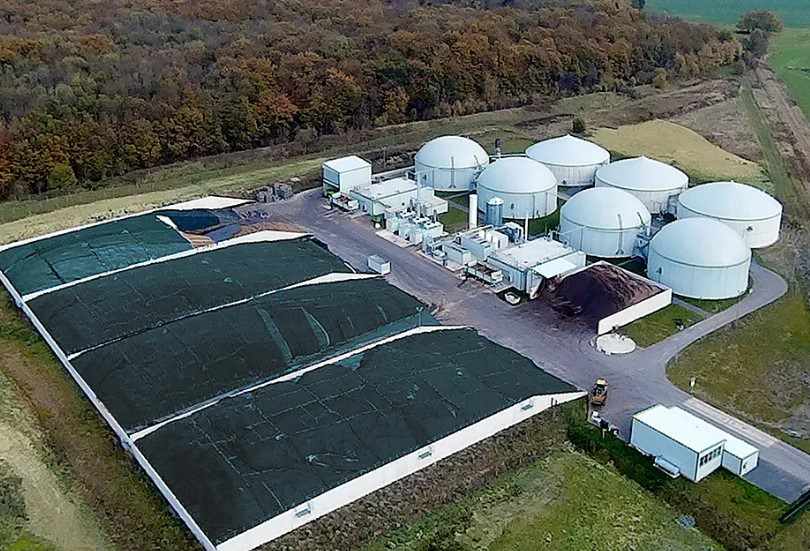
Biomethane plants utilize advanced anaerobic digestion technology to extract methane from organic waste materials. This process involves the breakdown of organic matter by microorganisms in the absence of oxygen, resulting in the production of biogas. Unlike traditional biogas, which is a mixture of methane and carbon dioxide, biomethane is refined to contain a higher percentage of methane, making it suitable for injection into the natural gas grid or for use as a vehicle fuel.
Key Components:
- 1. Anaerobic Digesters: Biomethane plants feature anaerobic digesters that facilitate the decomposition of organic waste. Microorganisms thrive in these controlled environments, breaking down complex organic compounds and releasing biogas.
- 2. Gas Upgrading Systems: To convert biogas into biomethane, gas upgrading systems are employed. These systems typically use technologies such as pressure swing adsorption or membrane separation to remove impurities, resulting in a high-purity methane stream.
- 3. Monitoring equipment: Biogas analyzer, which uses advanced photoelectric sensing principles to detect methane (CH4), oxygen (O2), carbon dioxide (CO2), hydrogen sulfide (H2S), etc. For example, the OLGA2000 biogas online monitoring system can be widely used in gas monitoring in landfill biogas power plants, petrochemical industries, coal mines and other scenarios, and can achieve remote data transmission.

- 4. Gas Injection or Compression Units: Once upgraded, the biomethane can be injected directly into the natural gas grid or compressed for use as a renewable vehicle fuel.
Environmental Benefits of Biomethane
- 1. Greenhouse Gas Reduction: Biomethane plants play a crucial role in reducing greenhouse gas emissions by capturing and utilizing methane, a potent greenhouse gas produced during the decomposition of organic waste. By preventing the release of methane into the atmosphere, biomethane production helps mitigate climate change.
- 2. Waste Diversion from Landfills: Biomethane plants contribute to effective waste management by diverting organic waste from landfills. This not only reduces the environmental impact of landfills but also minimizes the release of harmful leachate and methane from decomposing waste.
- 3. Renewable Energy Source: As a renewable energy source, biomethane offers a sustainable alternative to fossil fuels. Whether injected into the natural gas grid or used as a clean vehicle fuel, biomethane helps decrease reliance on non-renewable energy sources, contributing to a more diversified and sustainable energy mix.
Applications of Biomethane
- 1. Grid Injection: Biomethane can be injected directly into the natural gas grid, blending seamlessly with conventional natural gas. This green gas can then be used for heating, cooking, and electricity generation in homes, businesses, and industries.
- 2. Vehicle Fuel: Biomethane is gaining popularity as a green vehicle fuel. When compressed, it can be used as a renewable compressed natural gas (CNG) or liquefied biomethane (LBM) for buses, trucks, and even passenger vehicles, offering a cleaner alternative to traditional fossil fuels.
- 3. Industrial Processes: Industries can integrate biomethane into their operations, using it as a sustainable energy source for various processes, such as heating and steam generation. This not only reduces carbon emissions but also aligns with corporate sustainability goals.
Biomethane plants stand at the forefront of the clean energy revolution, showcasing the transformative potential of harnessing renewable energy from organic waste. As we strive for a sustainable and low-carbon future, the wonders of biomethane technology pave the way for cleaner energy, reduced environmental impact, and a more resilient and eco-friendly energy landscape.
 Manufacturer of biogas analyzer, landfill gas analyzer and extraction monitor, anaerobic digester gas analyzer