
In the face of escalating environmental challenges, the need for sustainable energy solutions has never been more pressing. UTS Biogas, a pioneer in renewable energy technology, offers a groundbreaking solution with its advanced biogas technology. This article explores the transformative potential of UTS Biogas in contributing to a more sustainable and eco-friendly future.
The Essence of UTS Biogas Technology
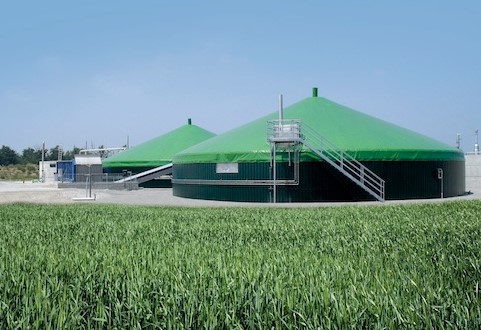
UTS Biogas Technology is a cutting-edge system that leverages the power of anaerobic digestion to convert organic waste into biogas—a renewable energy source. Developed by UTS Biogas, this innovative technology addresses the dual challenges of waste management and energy production, making it a cornerstone in the transition towards a circular economy.
Key Features of UTS Biogas Technology:
- 1. Efficient Anaerobic Digestion: UTS Biogas excels in its ability to maximize energy extraction from diverse organic feedstocks. Whether sourced from agricultural residues, food waste, or municipal solid waste, the technology ensures a high level of efficiency in the anaerobic digestion process.
- 2. Modularity and Scalability: One of the standout features of UTS Biogas Technology is its adaptability to various scales of operation. From small-scale applications for individual farms to large-scale industrial solutions, the modularity of the technology allows for customization to meet specific needs.
- 3. Comprehensive Waste Utilization: Beyond biogas generation, UTS Biogas Technology promotes a circular economy by repurposing the residual byproducts, known as digestate, as nutrient-rich fertilizer. This closed-loop approach ensures that organic waste is not only converted into energy but also contributes to sustainable agriculture practices.
Applications Across Sectors
- 1. Agriculture: UTS Biogas Technology finds a natural fit in the agricultural sector, where it can convert agricultural residues and animal manure into biogas. Farmers can use this renewable energy source to power their operations, reducing reliance on conventional energy and lowering their environmental impact.
- 2. Municipal Waste Management: Urban areas grappling with mounting waste management challenges can turn to UTS Biogas Technology for a sustainable solution. By diverting organic waste from landfills, municipalities can simultaneously reduce environmental harm and generate clean energy for local communities.
- 3. Industrial Processes: Industries with organic waste streams, such as food processing and manufacturing, can integrate UTS Biogas Technology into their operations. Beyond environmental benefits, this integration provides a reliable and sustainable energy source, contributing to the greening of industrial practices.
Environmental and Economic Advantages
- 1. Greenhouse Gas Mitigation: UTS Biogas plays a pivotal role in mitigating greenhouse gas emissions by capturing methane during the anaerobic digestion process. Methane, a potent greenhouse gas, is harnessed as a valuable energy source, reducing its release into the atmosphere and curbing the impact on climate change.
- 2. Energy Security and Resilience: The utilization of biogas from UTS Biogas Technology enhances energy security by diversifying the energy mix. This not only contributes to a more resilient energy infrastructure but also reduces dependence on finite fossil fuel resources.
UTS Biogas Technology stands as a beacon of hope in the journey towards a sustainable and eco-friendly tomorrow. By seamlessly integrating waste management with energy production, this technology exemplifies a circular and regenerative approach to resource utilization.
 Manufacturer of biogas analyzer, landfill gas analyzer and extraction monitor, anaerobic digester gas analyzer