
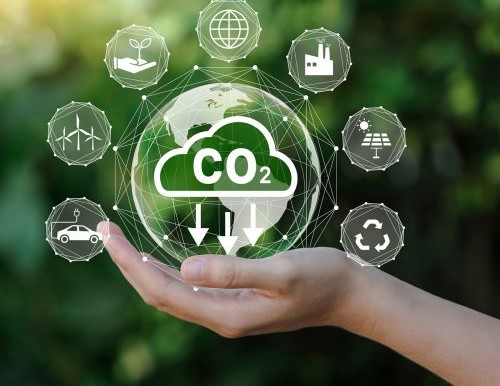
In an era marked by environmental concerns and a growing need for sustainable solutions, biogas units have emerged as a promising eco-friendly innovation. These units harness the power of organic waste to produce biogas, a renewable energy source that can be used for various applications. This article delves into the potential of biogas units, highlighting their environmental benefits, applications, and the role they can play in promoting a more sustainable future.
Understanding Biogas Units
Biogas units are facilities designed to convert organic waste into biogas through a natural biological process called anaerobic digestion. This process involves the breakdown of organic materials by microorganisms in the absence of oxygen, leading to the production of methane and carbon dioxide gases. The resulting biogas can be utilized as a clean and renewable energy source. During the biogas production process, a biogas analyzer is needed to monitor the composition of the biogas. For example, the OLGA2000 biogas online monitoring system uses advanced photoelectric sensing principles to detect and analyze methane (CH4), oxygen (O2), carbon dioxide (CO2), hydrogen sulfide (H2S) and other gases.

Environmental Benefits
- 1. Greenhouse Gas Reduction: One of the key environmental advantages of biogas units is their contribution to reducing greenhouse gas emissions. Anaerobic digestion prevents the release of methane—a potent greenhouse gas—into the atmosphere by capturing it for energy use. This process helps mitigate climate change and lowers the carbon footprint of waste management.

- 2. Waste Reduction and Recycling: Biogas units provide an effective means of recycling organic waste such as agricultural residues, food scraps, and sewage sludge. By converting these materials into biogas, the volume of waste sent to landfills is reduced, decreasing the environmental impact associated with traditional waste disposal methods.
- 3. Improved Air Quality: Traditional energy sources like coal and natural gas contribute to air pollution, releasing harmful pollutants into the atmosphere. Biogas, on the other hand, is a cleaner-burning fuel that produces fewer pollutants, promoting better air quality and reducing respiratory health risks.
Applications of Biogas
- 1. Electricity Generation: Biogas can be used to generate electricity, providing a reliable and renewable energy source. Biogas-powered generators can be integrated into the existing power grid or used for decentralized electricity generation in off-grid areas.
- 2. Heat Production: Biogas is a versatile energy source that can be used for heating applications. It can replace conventional fuels in industries, residential heating systems, and even in combined heat and power (CHP) systems, enhancing overall energy efficiency.
- 3. Cooking and Lighting: In many developing regions, biogas is employed for cooking and lighting purposes, offering a sustainable alternative to traditional biomass fuels. This not only reduces deforestation but also improves indoor air quality and lowers health risks associated with the use of traditional cooking methods.
As we navigate the path towards a more sustainable future, embracing biogas technology can be a significant step in mitigating environmental impacts and fostering a greener, healthier planet.
 Manufacturer of biogas analyzer, landfill gas analyzer and extraction monitor, anaerobic digester gas analyzer