

In the pursuit of a sustainable and environmentally friendly future, the global energy landscape is undergoing a profound transformation. One of the key players in this green energy revolution is the innovative conversion of biogas into hydrogen. This process not only harnesses the power of renewable resources but also addresses the challenges associated with traditional fossil fuels. In this article, we will explore the promising potential of transforming biogas into hydrogen and its role in shaping a cleaner and greener energy future.
The Power of Biogas
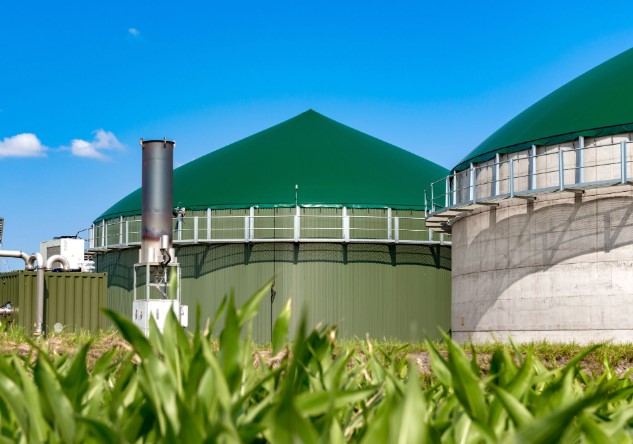
Biogas is a renewable energy source derived from the breakdown of organic matter, such as agricultural waste, sewage, and organic byproducts. Comprising methane and carbon dioxide, biogas is a cleaner alternative to traditional fossil fuels. The anaerobic digestion of organic materials in biogas production not only reduces greenhouse gas emissions but also offers a sustainable method of waste management.
However, to maximize the environmental benefits of biogas, there is a need to address certain challenges, including the release of carbon dioxide during its combustion. In the process of conversion, the required equipment is a biogas analyzer, which uses advanced photoelectric sensing principles to detect and analyze methane (CH4), oxygen (O2), carbon dioxide (CO2), hydrogen sulfide (H2S) and other gases. For example OLGA2000 Online Biogas Monitoring System can be widely used in gas monitoring in landfill gas power plants, petrochemicals, coal mines and other scenarios, and can realize remote data transmission.

The Hydrogen Advantage
Hydrogen is often hailed as the “clean” fuel of the future. When burned or used in fuel cells, hydrogen produces only water vapor as a byproduct, making it a zero-emission energy carrier. The process of transforming biogas into hydrogen involves a method known as steam methane reforming (SMR) or pyrolysis. Through these processes, methane in biogas is broken down into hydrogen and solid carbon, eliminating carbon dioxide emissions associated with traditional biogas combustion.
Reducing Carbon Footprint
The conversion of biogas into hydrogen is a pivotal step in reducing the carbon footprint of energy production. By eliminating the release of carbon dioxide during the combustion of biogas, this process contributes significantly to mitigating climate change. As the world strives to achieve ambitious carbon reduction goals, the integration of hydrogen derived from biogas holds the potential to revolutionize the energy sector.
Applications and Advancements
The applications of hydrogen obtained from biogas are diverse. It can be used as a clean fuel for transportation, providing an alternative to conventional gasoline and diesel. Hydrogen fuel cells power electric vehicles, emitting only water vapor as a byproduct. Moreover, hydrogen can be utilized in industrial processes, such as the production of ammonia and steel, further reducing the carbon intensity of these sectors.
Ongoing research and technological advancements continue to enhance the efficiency of biogas-to-hydrogen conversion processes. Innovations in catalysts, reactor designs, and overall system integration are paving the way for more cost-effective and sustainable solutions.
In conclusion, the transformation of biogas into hydrogen represents a significant leap forward in the quest for sustainable and clean energy sources. By harnessing the power of organic waste and converting it into a zero-emission fuel, we can simultaneously address environmental concerns and contribute to the global transition to a greener future. As technology advances and awareness grows, the integration of biogas-derived hydrogen into our energy systems will play a pivotal role in achieving a more sustainable and resilient world.
 Manufacturer of biogas analyzer, landfill gas analyzer and extraction monitor, anaerobic digester gas analyzer