
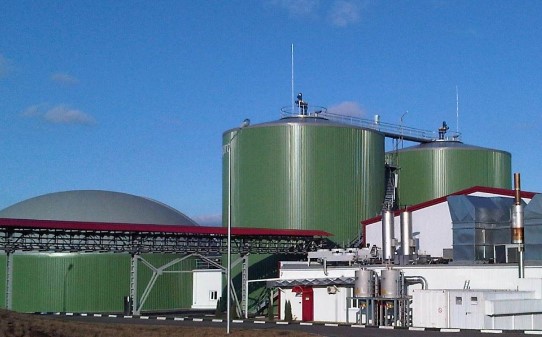
In a world increasingly focused on sustainable living and renewable energy sources, biogas has emerged as a versatile and eco-friendly solution. This innovative approach not only addresses the escalating issue of organic waste but also provides a renewable source of energy. In this article, we will explore the dual roles of biogas, turning waste into a valuable resource while contributing to the global shift towards cleaner energy.
The Genesis of Biogas: Harnessing Organic Potential
Biogas is generated through a natural biological process called anaerobic digestion. This occurs when organic matter, such as agricultural residues, food waste, and sewage, is broken down by microorganisms in the absence of oxygen. The result is a mixture of methane (CH4) and carbon dioxide (CO2), collectively known as biogas.
Role 1: Waste Management Champion
One of the primary roles of biogas lies in waste management. As the world grapples with escalating levels of organic waste, landfills become ticking time bombs for methane emissions. Methane is a potent greenhouse gas, with a significantly higher warming potential than carbon dioxide. By diverting organic waste into biogas digesters, we not only prevent the release of methane into the atmosphere but also create a valuable byproduct: nutrient-rich slurry or digestate.
The digestate serves as an organic fertilizer, closing the loop of nutrient recycling in agriculture. This dual benefit not only addresses waste management challenges but also contributes to sustainable and eco-friendly farming practices.
Role 2: Renewable Energy Prodigy
Biogas is a powerful source of renewable energy with applications spanning various sectors. Here’s how it contributes to the global pursuit of cleaner energy:
- 1. Cooking and Heating: In many households, particularly in rural areas, biogas is used for cooking and heating. This replaces traditional fuels like firewood or fossil fuels, reducing indoor air pollution and deforestation.
- 2. Electricity Generation: Larger-scale biogas plants can be integrated into power generation systems. The methane in biogas can be used to fuel generators, producing electricity for both residential and industrial use.

- 3. Vehicle Fuel: After proper purification and compression, biogas can serve as a clean and sustainable alternative to traditional vehicle fuels. This application significantly reduces greenhouse gas emissions from the transportation sector.
- 4. Industrial Processes: Biogas can be utilized in various industrial processes that require heat, contributing to greener and more sustainable manufacturing.
As we continue to innovate and invest in cleaner technologies, biogas stands as a beacon, showing us the potential to create a circular economy where waste is not just disposed of but is a valuable resource powering our homes and industries.
 Manufacturer of biogas analyzer, landfill gas analyzer and extraction monitor, anaerobic digester gas analyzer