

In the pursuit of sustainable and ecofriendly energy solutions, biogas plants have emerged as key players in the green revolution. These innovative facilities harness the power of organic waste to produce biogas, a renewable energy source that can replace traditional fossil fuels. In this article, we’ll delve into the typical designs and components of biogas plants, exploring how they stand as blueprints for sustainable energy production.
The Anatomy of a Biogas Plant: Common Components and Designs
- Digesters: The Heart of the System
At the core of every biogas plant is the digester, a sealed container where anaerobic digestion takes place. Anaerobic digestion is a biological process in which microorganisms break down organic matter in the absence of oxygen, producing biogas as a byproduct. - Feedstock Input: Diverse Organic Materials
Biogas plants can process a variety of organic materials known as feedstock. This can include agricultural residues, animal manure, sewage sludge, food waste, and energy crops. The choice of feedstock depends on factors such as availability, local conditions, and the desired biogas output. - Gas Storage: Capturing the Energy
Biogas produced in the digester is stored in a gas holder. This can be a floating drum, a fixeddome structure, or other designs that allow for the collection and storage of biogas. The gas holder ensures a steady supply of biogas for various applications. - Gas Utilization Systems: Putting Biogas to Work
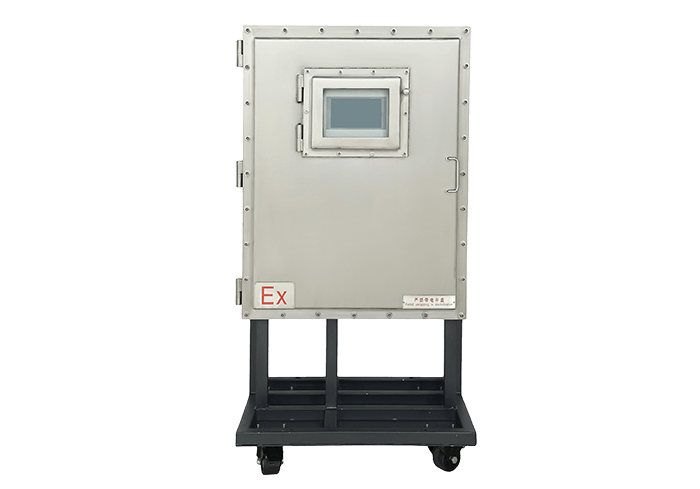
The captured biogas can be utilized in several ways. Common applications include cooking, heating, electricity generation, and even as a fuel for vehicles. The gas utilization system ensures that the produced biogas is channeled efficiently for its intended purpose. - Monitoring equipment: During the biogas production process, the required equipment is a biogas analyzer, which uses advanced photoelectric sensing principles to detect methane (CH4), oxygen (O2), carbon dioxide (CO2), hydrogen sulfide (H2S), etc. For example, the OLGA2000 biogas online monitoring system can be widely used in gas monitoring in landfill biogas power plants, petrochemicals, coal mines and other scenarios, and can achieve remote data transmission.
Types of Biogas Plant Designs
- Continuous StirredTank Reactors (CSTRs):
These are large, continuously stirred tanks where the feedstock is constantly added, and the digested material is continuously removed. CSTRs are suitable for largescale operations. - PlugFlow Digesters:
In plugflow digesters, feedstock is added at one end of a long container, and it moves through the system as digestion takes place. This design is often used for agricultural residues. - FixedDome Digesters:
These are domeshaped structures where the digester is airtight. Fixeddome digesters are typically used for small to mediumscale operations and are known for their simplicity and durability.
Advantages of Biogas Plants for Sustainable Energy
- Renewable and Clean Energy Source:
Biogas is a renewable resource that reduces dependence on fossil fuels, contributing to a cleaner and more sustainable energy landscape. - Waste Management:
Biogas plants efficiently manage organic waste, diverting it from landfills where it would contribute to greenhouse gas emissions. - Reduction of Greenhouse Gas Emissions:
The anaerobic digestion process captures methane, a potent greenhouse gas, mitigating its release into the atmosphere. - Energy Independence:
Biogas plants offer a locally sourced and produced energy solution, reducing dependence on centralized energy grids. - Circular Economy:
The nutrientrich digestate serves as an organic fertilizer, closing the loop in nutrient recycling for agriculture.
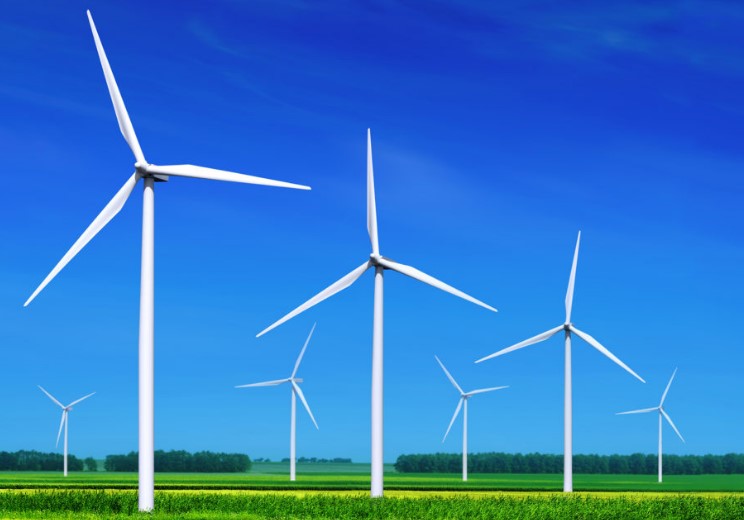
Biogas plants, with their versatile designs and efficient utilization of organic waste, serve as blueprints for a sustainable energy future. As we navigate the challenges of climate change and environmental degradation, these plants offer a tangible and practical solution that aligns with the principles of circular economy and sustainable living. By implementing and advancing biogas technologies, we take a significant step towards a greener tomorrow, where energy is not just a commodity but a conscientious choice that respects and preserves our planet.
 Manufacturer of biogas analyzer, landfill gas analyzer and extraction monitor, anaerobic digester gas analyzer