
In the pursuit of sustainable living and environmentally friendly energy solutions, the adoption of homebased biogas plants has gained considerable attention. These systems offer a budgetfriendly means of generating clean energy while addressing organic waste management. In this article, we will explore the components influencing the cost of homebased biogas plants, demonstrating how they can be both environmentally conscious and economically feasible.
The Essence of HomeBased Biogas Plants
Homebased biogas plants are designed to convert organic waste materials into biogas through a process known as anaerobic digestion. This decentralized approach allows households to produce their energy sustainably while managing kitchen waste, agricultural residues, or animal manure.
Factors Influencing Costs
1. Plant Size and Capacity
The size and capacity of a homebased biogas plant play a pivotal role in determining its cost. Larger systems capable of processing more organic waste and producing higher volumes of biogas tend to incur higher initial expenses. Households need to assess their energy needs and available organic waste to find the optimal size.
2. Digester Technology and Design
The choice of digester technology significantly impacts costs. Different designs, such as fixeddome, floatingdrum, or plugflow digesters, come with varying construction expenses. Selecting an appropriate design involves considering factors like available space, waste types, and budget constraints.
3. Feedstock Type and Availability
The type of organic waste used as feedstock affects both the efficiency and cost of the biogas plant. Common feedstocks include kitchen waste, crop residues, and animal manure. Utilizing locally available and easily accessible feedstock can contribute to costeffectiveness.
4. Gas Utilization System
The system used to utilize the generated biogas impacts overall costs. Depending on the household’s energy needs, the complexity of the gas utilization system, including storage, purification, and distribution, can vary.
5. Installation and Infrastructure
The installation process and required infrastructure contribute to the overall cost. Considerations such as site preparation, plumbing, and gas delivery systems should be factored into the budget.
6. Maintenance and Operational Costs
While evaluating the budget, it’s crucial to account for ongoing maintenance and operational expenses. Regular maintenance ensures the longevity and efficiency of the biogas plant.
7. Educational and Training Programs
Investing in education and training for users is essential for the efficient operation and maintenance of homebased biogas plants. Familiarizing users with the technology enhances its longterm sustainability.
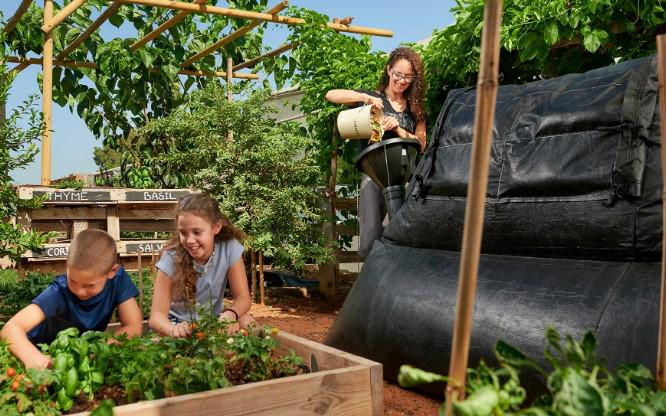
Steps to BudgetFriendly Biogas Implementation
- 1. Assessment of Energy Needs: Understand the energy requirements of your household to determine the appropriate size of the biogas plant.
- 2. Site Selection: Choose a location that receives sufficient sunlight and is easily accessible for waste collection and maintenance.
- 3. Feedstock Analysis: Evaluate the types and quantity of organic waste available to optimize the biogas production process.
- 4. Digester Design Selection: Select a digester design that aligns with your space, budget, and waste characteristics.
- 5. Cost Comparison: Obtain quotes from reputable suppliers for digester components, gas utilization systems, and installation services. Compare costs to find the most economical options.
- 6. Consider Financing Options: Explore available financing options, grants, or subsidies for renewable energy projects to alleviate initial costs.
- 7. DIY Approaches: Some households opt for doityourself (DIY) biogas plant construction to reduce labor costs. However, this requires a good understanding of the technology.
The integration of homebased biogas plants not only reduces reliance on conventional energy sources but also contributes to a cleaner environment, making it a prudent investment in both economic and ecological terms. As technology continues to advance, the vision of sustainable, budgetfriendly energy production at home becomes an increasingly achievable reality.
 Manufacturer of biogas analyzer, landfill gas analyzer and extraction monitor, anaerobic digester gas analyzer