
In the pursuit of sustainable and renewable energy sources, scientists, engineers, and environmentalists are turning to innovative solutions that not only generate power but also address the growing issue of organic waste management. One such solution that holds immense promise is the harnessing of biogas power—transforming waste into watts. In this article, we will explore the transformative journey from waste to watts and the potential that biogas power holds for a greener and more sustainable future.
The Essence of Biogas Power
Biogas is a byproduct of the natural breakdown of organic matter through a process called anaerobic digestion. This process occurs in the absence of oxygen and is facilitated by microorganisms that break down organic materials, such as agricultural residues, food waste, sewage sludge, and energy crops. The result is a mixture of methane (CH4) and carbon dioxide (CO2)—biogas.
Biogas, once considered a mere byproduct of waste decomposition, is now recognized for its potential as a clean and renewable energy source. The transformative power lies in the utilization of this biogas to generate electricity and heat, providing an eco-friendly alternative to traditional fossil fuels.
Turning Waste into Energy
1. Feedstock Collection:
The process begins with the collection of organic waste materials. This can include agricultural leftovers, food scraps, manure, and various other organic residues.
2. Anaerobic Digestion:
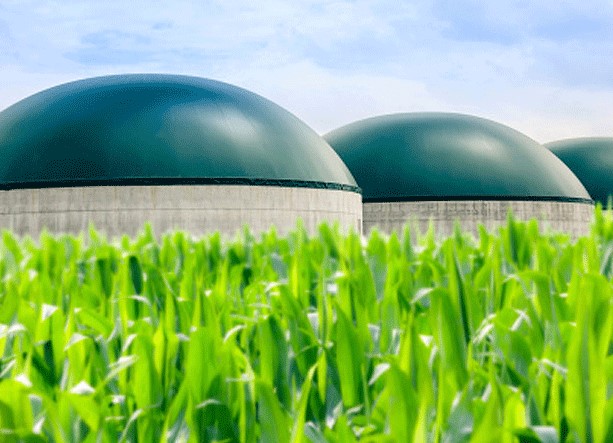
In an anaerobic digester, microorganisms break down the organic matter, producing biogas as a result. This gas is primarily composed of methane, which is a potent energy source.
3. Gas Capture and Storage:
The generated biogas is captured and stored for further use. Advanced storage systems ensure a steady supply of biogas for consistent energy production.
4. Electricity Generation:
Biogas can be used to generate electricity through a combined heat and power (CHP) system or by fueling a generator. This electricity can be integrated into the power grid or used locally.
5. Utilization of Heat:
The heat produced during the combustion of biogas can be utilized for various applications, including heating buildings, water, or industrial processes.
The Advantages of Biogas Power
1. Renewable Energy Source:
Biogas is a renewable energy source as it is produced from organic waste that continually replenishes.
2. Waste Management:
The process of anaerobic digestion reduces the volume of organic waste, offering an effective waste management solution.
3. Greenhouse Gas Reduction:
By capturing methane, a potent greenhouse gas, and converting it into energy, biogas power projects contribute to the reduction of greenhouse gas emissions.
4. Energy Independence:
Communities and industries can achieve a degree of energy independence by generating power locally from their waste resources.
5. Circular Economy:
Biogas power embodies the principles of a circular economy by closing the loop on waste, transforming it into a valuable resource.
From waste to watts, the journey of biogas power represents a paradigm shift in how we perceive and utilize organic waste. Beyond being a sustainable energy source, biogas power embodies the concept of turning challenges into opportunities. As the world grapples with the dual challenges of energy security and waste management, biogas power emerges as a beacon of hope—a transformative force that not only generates watts but also propels us toward a cleaner, greener, and more sustainable future.
In the pursuit of sustainable and renewable energy sources, scientists, engineers, and environmentalists are turning to innovative solutions that not only generate power but also address the growing issue of organic waste management. One such solution that holds immense promise is the harnessing of biogas power—transforming waste into watts. In this article, we will explore the transformative journey from waste to watts and the potential that biogas power holds for a greener and more sustainable future.
The Essence of Biogas Power
Biogas is a byproduct of the natural breakdown of organic matter through a process called anaerobic digestion. This process occurs in the absence of oxygen and is facilitated by microorganisms that break down organic materials, such as agricultural residues, food waste, sewage sludge, and energy crops. The result is a mixture of methane (CH4) and carbon dioxide (CO2)—biogas.
Biogas, once considered a mere byproduct of waste decomposition, is now recognized for its potential as a clean and renewable energy source. The transformative power lies in the utilization of this biogas to generate electricity and heat, providing an eco-friendly alternative to traditional fossil fuels.
Turning Waste into Energy
1. Feedstock Collection:
The process begins with the collection of organic waste materials. This can include agricultural leftovers, food scraps, manure, and various other organic residues.
2. Anaerobic Digestion:
In an anaerobic digester, microorganisms break down the organic matter, producing biogas as a result. This gas is primarily composed of methane, which is a potent energy source.
3. Gas Capture and Storage:
The generated biogas is captured and stored for further use. Advanced storage systems ensure a steady supply of biogas for consistent energy production.
4. Electricity Generation:
Biogas can be used to generate electricity through a combined heat and power (CHP) system or by fueling a generator. This electricity can be integrated into the power grid or used locally.
5. Utilization of Heat:
The heat produced during the combustion of biogas can be utilized for various applications, including heating buildings, water, or industrial processes.
The Advantages of Biogas Power
1. Renewable Energy Source:
Biogas is a renewable energy source as it is produced from organic waste that continually replenishes.
2. Waste Management:
The process of anaerobic digestion reduces the volume of organic waste, offering an effective waste management solution.
3. Greenhouse Gas Reduction:
By capturing methane, a potent greenhouse gas, and converting it into energy, biogas power projects contribute to the reduction of greenhouse gas emissions.
4. Energy Independence:
Communities and industries can achieve a degree of energy independence by generating power locally from their waste resources.
5. Circular Economy:
Biogas power embodies the principles of a circular economy by closing the loop on waste, transforming it into a valuable resource.
From waste to watts, the journey of biogas power represents a paradigm shift in how we perceive and utilize organic waste. Beyond being a sustainable energy source, biogas power embodies the concept of turning challenges into opportunities. As the world grapples with the dual challenges of energy security and waste management, biogas power emerges as a beacon of hope—a transformative force that not only generates watts but also propels us toward a cleaner, greener, and more sustainable future.
 Manufacturer of biogas analyzer, landfill gas analyzer and extraction monitor, anaerobic digester gas analyzer