
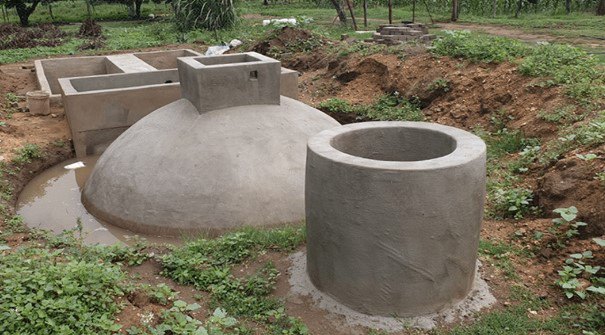
In the quest for sustainable and eco-friendly living, individuals and communities are increasingly turning to innovative solutions that not only reduce their environmental impact but also contribute to a greener future. One such solution gaining prominence is the integration of biogas systems at home. Harnessing the power of organic waste, biogas offers a clean and renewable energy source that can revolutionize the way we power our homes. In this article, we will explore the concept of biogas at home, its benefits, and how it empowers individuals to embrace green living.
Understanding Biogas at Home
Biogas is a versatile fuel that is produced through the anaerobic digestion of organic matter. At home, this organic matter can include kitchen scraps, food waste, agricultural residues, and even animal manure. Through a controlled fermentation process, microorganisms break down these organic materials, releasing biogas as a byproduct. The primary components of biogas are methane and carbon dioxide, with methane being the key component that can be used as a fuel.
The Benefits of Biogas at Home:
- 1. Clean Energy Production: One of the most significant advantages of biogas is that it provides a clean and renewable source of energy. Unlike fossil fuels, the combustion of biogas produces minimal greenhouse gas emissions, contributing to a reduction in the carbon footprint.
- 2. Waste Reduction: Biogas systems at home allow individuals to manage their organic waste effectively. Instead of sending kitchen scraps or food waste to landfills where they decompose and release methane, these materials can be used to produce energy.
- 3. Energy Independence: By generating biogas at home, individuals can become more self-sufficient in terms of energy. This reduces dependence on external energy sources and contributes to a more resilient and sustainable lifestyle.
- 4. Cost Savings: While there is an initial investment in setting up a biogas system, the long-term benefits include cost savings on traditional energy bills. Homeowners can use biogas for cooking, heating, and even generating electricity.
- 5. Nutrient-Rich Byproduct: The residue or slurry produced during the anaerobic digestion process, known as digestate, is a nutrient-rich fertilizer. This byproduct can be used in gardening or agriculture, closing the loop in nutrient recycling.
Setting Up Biogas at Home:
- 1. Selecting a Location: Choose an appropriate location for the biogas digester. This could be in the backyard or a designated area with sufficient space.
- 2. Choosing a Digester Design: There are various digester designs available, including fixed-dome digesters, floating-drum digesters, and plug-flow digesters. The choice depends on factors such as space availability and the type of organic waste you plan to use.
- 3. Collecting Feedstock: Gather organic waste materials such as kitchen scraps, food waste, and agricultural residues. This will serve as the feedstock for the biogas digester.
- 4. Loading the Digester: Introduce the organic waste into the digester, ensuring a balance between carbon-rich and nitrogen-rich materials. This is crucial for efficient anaerobic digestion.
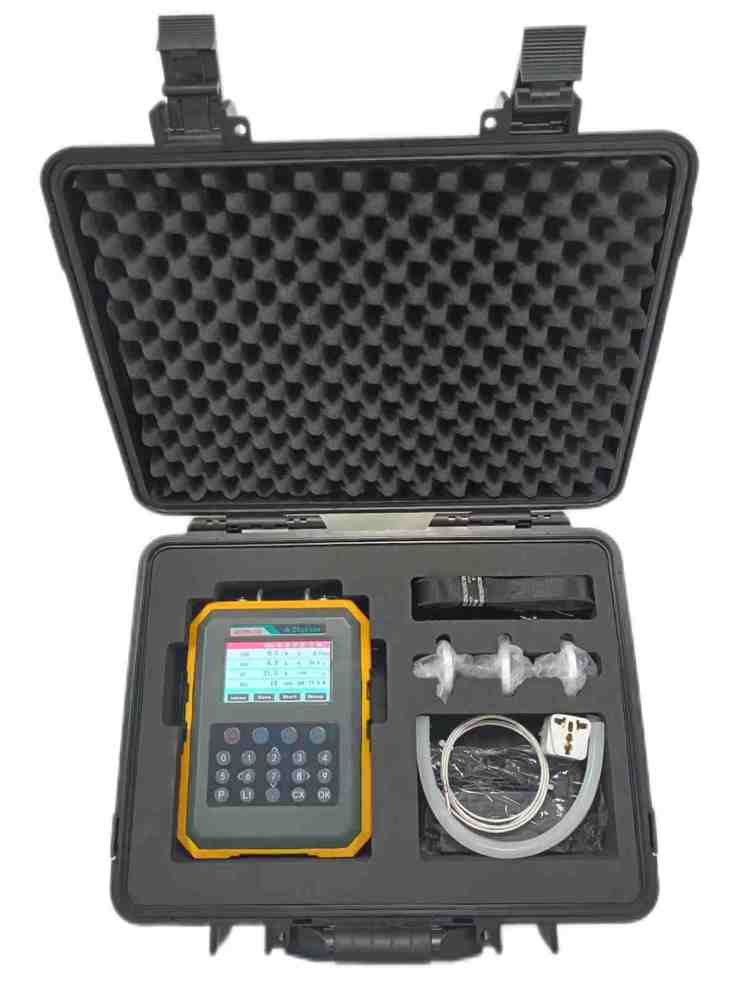
- 5. Biogas analyzers: such as the GASCHEK1000 portable biogas analyzer, use advanced photoelectric sensing principles to detect and analyze methane (CH4), oxygen (O2), carbon dioxide (CO2), hydrogen sulfide (H2S) and other gases, and accurately report , while effectively checking the digestive process.
- 6. Harvesting Biogas: Once the digester is operational, you can start harvesting biogas for various applications in your home.
Biogas at home embodies the essence of green living, where waste is transformed into a valuable resource, and energy is produced sustainably. By embracing biogas systems, individuals not only reduce their environmental impact but also actively participate in creating a more sustainable and resilient future. The power of biogas at home goes beyond energy production; it symbolizes a commitment to responsible waste management and a conscientious lifestyle. As more households explore and adopt biogas solutions, the vision of widespread green living becomes increasingly achievable, one home at a time.
 Manufacturer of biogas analyzer, landfill gas analyzer and extraction monitor, anaerobic digester gas analyzer