
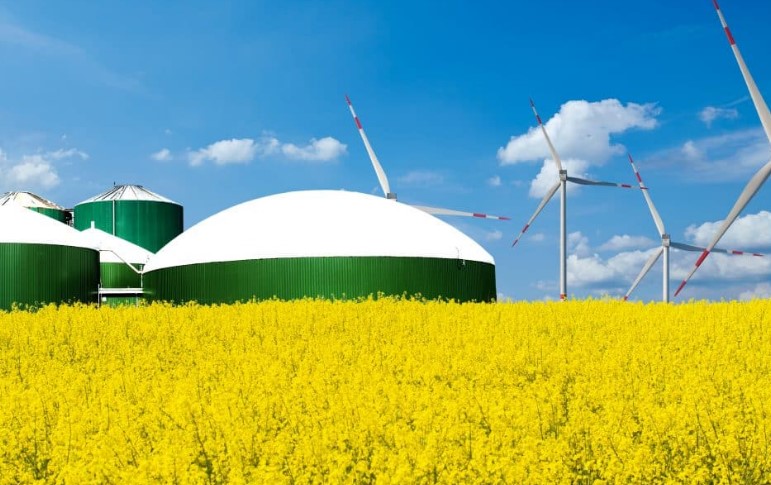
In the pursuit of sustainable and cleaner energy solutions, biogas has emerged as a transformative player, not just in providing renewable energy but also in mitigating carbon dioxide (CO2) emissions. This symbiotic relationship between biogas and CO2 reduction is a crucial aspect of the global effort to combat climate change. In this article, we will delve into the intricate connection between biogas and CO2, exploring how this innovative solution is turning emissions into energy for a greener tomorrow.
The Genesis of Biogas: A Renewable Revolution
Biogas is a renewable energy source derived from the anaerobic digestion of organic materials such as agricultural residues, food waste, and sewage. Through this natural process, microorganisms break down organic matter, producing a gas predominantly composed of methane (CH4) and carbon dioxide (CO2). While methane is a potent greenhouse gas, capturing and utilizing it as a valuable energy source can prevent its release into the atmosphere, where it would contribute significantly to global warming.
Unveiling the CO2 Connection
- 1. CO2 Capture in Anaerobic Digestion: The anaerobic digestion process within biogas plants captures and confines CO2 that would otherwise be released during the decomposition of organic matter. By capturing this CO2, biogas production significantly reduces the greenhouse gas emissions associated with organic waste.
- 2. Preventing Methane Emissions: Methane, a primary component of biogas, is over 25 times more potent than CO2 in terms of trapping heat in the atmosphere. By capturing methane through biogas production, we are preventing the release of a highly impactful greenhouse gas.
- 3. Closing the Carbon Loop: The use of biogas creates a closed-loop carbon system. Plants absorb CO2 during their growth, and when these plants are used as feedstock for biogas production, the captured CO2 is released again when the biogas is used. This cyclical process contributes to a more sustainable and balanced carbon cycle.
Turning Waste into Energy: The Biogas Advantage
- 1. Waste-to-Energy Transition: Biogas projects provide a dual benefit by efficiently managing organic waste and generating clean energy. This waste-to-energy transition reduces reliance on fossil fuels, contributing to a more sustainable and circular economy.
- 2. Reducing Reliance on Fossil Fuels: As a versatile energy source, biogas can be used for electricity generation, heating, and even as a vehicle fuel. By incorporating biogas into our energy mix, we reduce the need for traditional fossil fuels, lowering overall CO2 emissions.
From emissions to energy, the biogas CO2 connection stands as a testament to the power of innovative solutions in addressing environmental challenges. By harnessing the energy embedded in organic waste and preventing the release of potent greenhouse gases, biogas projects are contributing significantly to a more sustainable and resilient future. As we unveil the intricate ties between biogas and CO2 reduction, it becomes clear that this connection is not just about energy generation; it’s a commitment to transforming waste into a valuable resource for a greener and more sustainable tomorrow.
 Manufacturer of biogas analyzer, landfill gas analyzer and extraction monitor, anaerobic digester gas analyzer