

In the pursuit of sustainable living, individuals and communities are increasingly turning to innovative solutions that not only address environmental concerns but also contribute to self-sufficiency. One such solution gaining popularity is the creation of biogas at home. This process transforms organic waste into a valuable source of green energy, providing an eco-friendly alternative to conventional energy sources. In this guide, we will explore the concept of biogas, its benefits, and the steps to create a biogas system at home.
Understanding Biogas: A Renewable Energy Source
Biogas is a renewable energy source generated through a natural process called anaerobic digestion. This process involves the breakdown of organic matter by microorganisms in the absence of oxygen, resulting in the production of biogas. The primary components of biogas are methane (CH4) and carbon dioxide (CO2). Here’s how you can turn your organic waste into this valuable energy source.
Materials Needed: Setting Up Your Home Biogas System
- 1. Digester Container:Start by selecting a suitable container for the digester. This could be a specially designed biogas digester or repurposed containers like old drums or tanks.
- 2. Organic Waste:Collect organic waste materials such as kitchen scraps, food leftovers, vegetable peelings, and even animal manure. Ensure a good mix of nitrogen-rich and carbon-rich materials for optimal digestion.
- 3. Water:You’ll need water to create a slurry with your organic waste. Ensure that the mixture has the right consistency to facilitate anaerobic digestion.
- 4. Gas Storage System:Set up a system to collect and store the biogas produced. This often involves a floating drum or a fixed-dome structure that captures the gas generated during digestion.
- 5. Monitoring equipment: During the biogas production process, the required equipment is a biogas analyzer, such as the GASCHEK1000 portable biogas analyzer, use advanced photoelectric sensing principles to detect and analyze methane (CH4), oxygen (O2), carbon dioxide (CO2), hydrogen sulfide (H2S) and other gases, and accurately report , while effectively checking the digestive process.
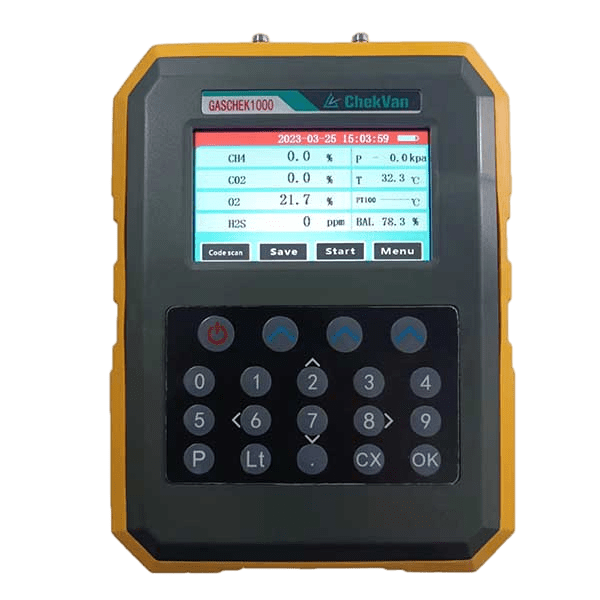
- 6. Gas Delivery System:Connect the stored biogas to your cooking stove, heater, or other gas-powered appliances. Ensure the system is airtight to prevent gas leaks.
Steps to Create Biogas at Home
- 1. Choose a Location:Select a suitable location for your biogas digester. It could be outdoors with access to sunlight and a convenient location for waste disposal.
- 2. Prepare the Organic Waste:Chop or blend the organic waste to increase the surface area and facilitate faster digestion. Mix the waste with water to create a slurry.
- 3. Load the Digester:Introduce the organic slurry into the digester. Ensure a proper balance between carbon and nitrogen-rich materials for efficient anaerobic digestion.
- 4. Seal the Digester:Seal the digester to create an anaerobic environment. This is crucial for the activity of microorganisms that produce biogas.
- 5. Collect and Use Biogas:As biogas is produced, it will rise and collect in the gas storage system. Connect this system to your gas appliances and start using the produced biogas.
Benefits of Home Biogas Systems
- 1. Waste Reduction:
- 2. Clean Energy:
- 3. Energy Independence:
- 4. Nutrient-Rich Byproduct:
Creating biogas at home is a rewarding and sustainable endeavor. It not only transforms organic waste into a valuable energy source but also promotes responsible waste management. As individuals and communities increasingly seek ways to reduce their environmental footprint, home biogas systems stand out as a practical and impactful solution.
 Manufacturer of biogas analyzer, landfill gas analyzer and extraction monitor, anaerobic digester gas analyzer