
In the ever-evolving landscape of renewable energy, biogas has emerged as a promising contender, offering a sustainable and eco-friendly alternative. Derived from organic materials through a natural process known as anaerobic digestion, biogas is a versatile source of clean energy. This article delves into the fascinating world of biogas production, exploring the process, its benefits, and its potential to reshape our energy landscape.
The Essence of Biogas Production
At its core, biogas production is a result of harnessing the power of nature’s own decomposition process. It involves the breakdown of organic matter, such as agricultural residues, food waste, animal manure, and sewage, in the absence of oxygen. The star of this biochemical show is anaerobic bacteria, microorganisms that thrive in environments devoid of oxygen.
The Biogas Production Journey
1. Feedstock Collection and Preparation
The journey begins with the collection of organic materials, often referred to as feedstock. This can encompass a variety of sources, including agricultural byproducts, food waste from households or industries, and residues from livestock operations. The key is to create a diverse mix of organic materials to ensure a balanced and efficient digestion process.
2. Anaerobic Digestion Process
Once collected, the organic materials enter the anaerobic digester—a sealed container where the magic happens. In the absence of oxygen, anaerobic bacteria break down complex organic compounds into simpler components through a series of biochemical reactions. The primary outputs of this digestion process are biogas and a nutrient-rich slurry known as digestate.
3. Biogas Composition
The biogas produced is primarily composed of methane (CH4) and carbon dioxide (CO2), with trace amounts of other gases such as hydrogen sulfide. The methane content makes biogas a valuable energy source, as methane is a potent greenhouse gas when released into the atmosphere. Capturing and utilizing it for energy mitigates its environmental impact.
4. Biogas monitoring
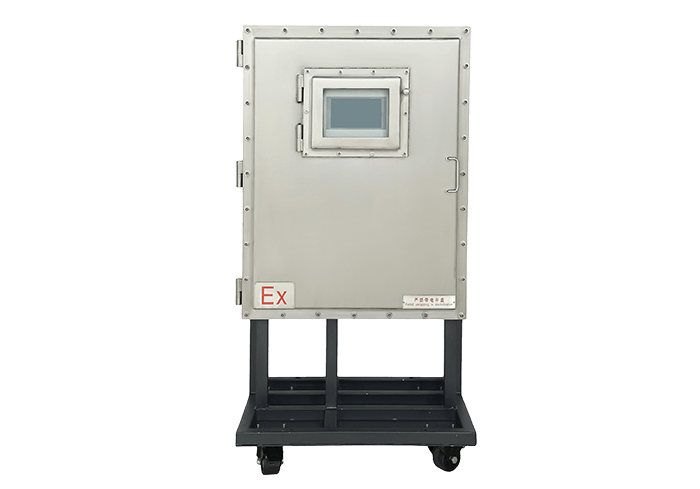
Biogas analyzers monitor the gases produced during biogas production. It uses advanced photoelectric sensing principles to detect methane (CH4), oxygen (O2), carbon dioxide (CO2), hydrogen sulfide (H2S), etc. For example, the OLGA2000 biogas online monitoring system can be widely used in gas monitoring in landfill biogas power plants, petrochemical industries, coal mines and other scenarios, and can achieve remote data transmission.
5. Gas Collection and Storage
The biogas, once generated, needs to be captured and stored for various applications. Common methods include using a gas holder, which allows for the collection and controlled release of biogas, or directly piping it to its intended use.
6. Utilization of Biogas
The final step involves utilizing the captured biogas for energy purposes.
Benefits of Biogas Production
- 1. Renewable and Clean Energy: Biogas is a renewable resource, as long as organic materials are available. Its combustion is relatively clean, producing fewer pollutants compared to traditional fossil fuels.
- 2. Waste Management: The process helps manage organic waste efficiently, reducing the burden on landfills and decreasing methane emissions from decomposing waste.
- 3. Carbon Footprint Reduction: By capturing methane and converting it into useful energy, biogas production contributes to mitigating climate change by reducing greenhouse gas emissions.
- 4. Local Energy Production: Biogas can be produced locally, promoting energy independence and reducing reliance on centralized energy grids.
- 5. Nutrient Recycling: The digestate, the byproduct of the anaerobic digestion process, is rich in nutrients and serves as an excellent organic fertilizer, closing the loop in nutrient recycling.
As technology advances and awareness grows, the potential for biogas to play a pivotal role in our transition to a more sustainable and eco-friendly energy landscape becomes increasingly apparent.
 Manufacturer of biogas analyzer, landfill gas analyzer and extraction monitor, anaerobic digester gas analyzer