
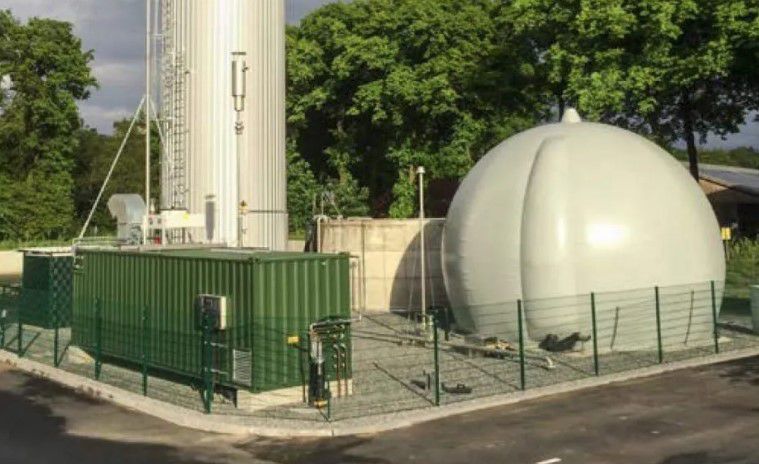
In the global pursuit of sustainable and eco-friendly energy alternatives, biogas has emerged as a promising solution. Central to the efficient production of biogas is the biogas digester, a technology that converts organic waste into valuable energy. However, for those considering the adoption of biogas systems, understanding the costs associated with biogas digesters is crucial. In this guide, we will navigate the pricing landscape of biogas digesters, exploring factors that influence costs and the broader implications for sustainable energy solutions.
1. Understanding Biogas Digesters
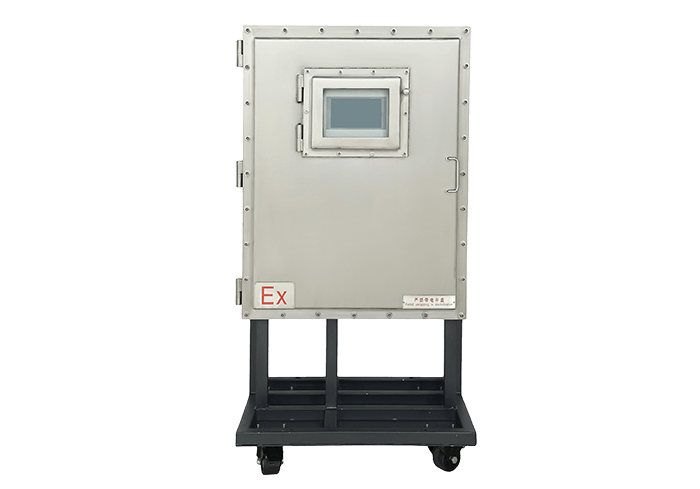
A biogas digester is the heart of any biogas system. It facilitates the anaerobic digestion process, wherein microorganisms break down organic matter in the absence of oxygen, producing biogas as a byproduct. The key components of a biogas digester include the digester tank, gas storage, inlet and outlet systems, biogas monitoring system, and gas utilization mechanisms. In the biogas production process, the required equipment is a biogas analyzer. For example, the OLGA2000 biogas online monitoring system is widely used in gas monitoring in landfills, biogas power plants, petrochemical industries, coal mines and other scenarios, and can realize remote data transmission.
2. Factors Influencing Biogas Digester Costs
- Size and Capacity: Larger digesters with higher processing capacities generally incur higher costs. The size should align with the amount of organic waste available for digestion and the energy needs of the user.
- Digester Material and Design: The material used for constructing the digester and its design influence costs. Common materials include concrete, plastic, and metal. The choice depends on factors such as durability, local climate, and cost-effectiveness.
- Technology and Features: Advanced technologies and additional features, such as automated control systems or heating elements, can contribute to higher costs. These features may enhance efficiency and ease of operation.
- Gas Storage System: The type of gas storage system, whether it’s a floating-drum design, a fixed-dome structure, or other configurations, can impact costs. The gas storage system ensures a consistent supply of biogas.
- Installation and Infrastructure: Costs associated with site preparation, installation, and necessary infrastructure (pipes, gas delivery systems) should be considered. Accessibility to the site may also affect costs.
- Regulatory Compliance: Meeting regulatory standards and obtaining necessary permits may add to the overall project cost. Compliance with safety and environmental regulations is essential.
3. Navigating Biogas Digester Prices
- Small-Scale Digesters: Basic, small-scale digesters suitable for household use can range from a few hundred to a couple of thousand dollars. These are often simple in design and can process a limited amount of organic waste.
- Medium to Large-Scale Digesters: Commercial or community-level digesters, capable of processing larger quantities of waste, can range from several thousand to tens of thousands of dollars. The complexity of the system and the need for additional features contribute to higher costs.
- Innovative and Advanced Systems: Cutting-edge technologies or advanced features may increase costs. However, these systems often offer improved efficiency, automation, and monitoring capabilities.
4. Cost-Benefit Analysis and Return on Investment (ROI)
While the initial investment in a biogas digester may seem significant, conducting a cost-benefit analysis is crucial. Consider the long-term savings on energy bills, reduced waste disposal costs, and potential revenue generation (if excess biogas is sold back to the grid). The return on investment can often justify the upfront costs, especially in the context of sustainability and environmental benefits.
Investing in a biogas digester is not just a financial decision; it’s a commitment to sustainable and clean energy practices. Understanding the factors influencing biogas digester costs and navigating the pricing landscape is essential for individuals, communities, and businesses seeking to embrace renewable energy solutions. As technology advances and awareness grows, the adoption of biogas systems becomes not only an investment in energy but also a contribution to a more sustainable and environmentally conscious future.
 Manufacturer of biogas analyzer, landfill gas analyzer and extraction monitor, anaerobic digester gas analyzer