
In the pursuit of sustainable energy solutions, biogas has emerged as a promising contender. Produced through the anaerobic digestion of organic materials, biogas is a renewable energy source that holds the key to reducing dependence on fossil fuels. However, to fully realize the benefits of biogas, efficient storage solutions are imperative. Biogas cylinders play a crucial role in unlocking the potential of this clean and renewable energy source.
The Essence of Biogas
Biogas is a gaseous fuel composed primarily of methane and carbon dioxide, produced when organic matter undergoes anaerobic digestion. This process occurs naturally in environments without oxygen, such as landfills and the digestive systems of animals. To harness the potential of biogas for widespread use, it needs to be captured, stored, and efficiently utilized.
Biogas Storage Challenges
- 1. Variable Production Rates: The production of biogas is not constant and may vary depending on factors such as the type of feedstock, temperature, and digestion process. This necessitates a storage system capable of handling fluctuations in production.
- 2. Gas Composition: Biogas from different sources may have varying compositions, including impurities such as hydrogen sulfide and moisture. Storage solutions must consider these variations to maintain gas quality.
- 3. Pressure Control: Biogas is typically produced at low pressure, and for many applications, it needs to be stored and utilized at higher pressures. This requires a storage system that can handle pressure differentials safely.
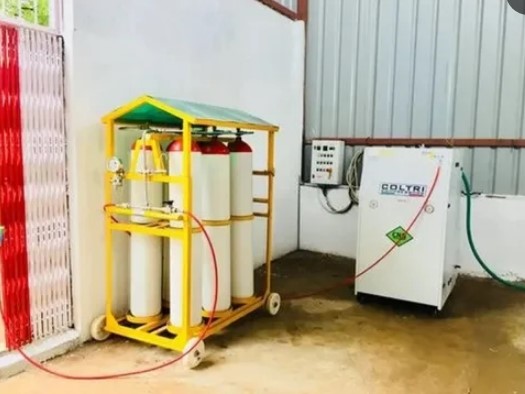
The Role of Biogas Cylinders
Biogas cylinders are specialized containers designed for the storage and transportation of biogas. These cylinders address the challenges associated with biogas storage and contribute to the widespread adoption of this renewable energy source. Here’s how biogas cylinders unlock the potential of biogas:
- 1. Pressure Regulation: Biogas cylinders are designed to store biogas at higher pressures, making it suitable for various applications such as cooking, heating, and electricity generation. This pressure regulation allows for a more versatile and efficient use of biogas.
- 2. Gas Quality Maintenance: Biogas cylinders often incorporate mechanisms for filtering and purifying the gas, ensuring that impurities are removed, and the gas quality is maintained. This is crucial for applications where high-quality gas is required.
- 3. Enhanced Portability: Biogas cylinders offer a portable solution for biogas storage. This portability is advantageous in both urban and rural settings, enabling the use of biogas in diverse applications.
- 4. Integration with Appliances: Biogas cylinders can be seamlessly integrated with appliances such as stoves, heaters, and gas-powered generators. This integration facilitates the direct utilization of biogas, making it a convenient and accessible energy source.
Applications of Biogas Cylinders
- 1. Cooking and Heating: Biogas stored in cylinders is commonly used for cooking and heating in households. The controlled release of gas from cylinders ensures a steady and reliable energy supply.
- 2. Electricity Generation: Biogas cylinders can be connected to generators to produce electricity, providing a sustainable power source for off-grid or remote areas.
- 3. Vehicle Fuel: With advancements in technology, biogas stored in cylinders is increasingly being used as a clean and sustainable fuel for vehicles.
Biogas cylinders play a pivotal role in realizing the potential of biogas as a clean and renewable energy source. By addressing the challenges associated with storage and providing a versatile and portable solution, these cylinders make biogas more accessible for various applications. As the world seeks sustainable alternatives to traditional fuels, biogas cylinders stand as a testament to the ingenuity and innovation driving the shift towards cleaner and greener energy solutions. In unlocking the power of biogas through efficient storage, we pave the way for a more sustainable and environmentally conscious future.
 Manufacturer of biogas analyzer, landfill gas analyzer and extraction monitor, anaerobic digester gas analyzer