
In the pursuit of sustainable and eco-friendly energy sources, researchers and innovators are turning their attention to waste as a valuable resource. Among the various waste-to-energy technologies, anaerobic digestion and biogas production stand out as promising solutions, offering a path towards sustainable power generation while addressing waste management challenges.
The Essence of Anaerobic Digestion
At its core, anaerobic digestion is a natural process where microorganisms break down organic matter in the absence of oxygen. This process occurs in various environments, from the bottom of lakes to the digestive systems of animals. However, in the context of sustainable energy, anaerobic digestion is harnessed in controlled environments called digesters.
1. Waste as a Resource
One of the fundamental principles of sustainability is the concept of turning waste into a resource. Anaerobic digestion allows us to do just that with organic waste, such as agricultural residues, food scraps, and even sewage. Instead of these materials ending up in landfills where they contribute to methane emissions, anaerobic digestion converts them into a valuable resource: biogas.
2. Biogas: A Renewable Energy Source
The primary product of anaerobic digestion is biogas, a mixture of methane and carbon dioxide. Methane, the main component, is a potent greenhouse gas when released into the atmosphere. By capturing and utilizing methane through biogas production, we not only prevent its release but also gain a renewable and clean energy source.
3. Navigating the Anaerobic Digestion Process
- Feedstock Collection: Collecting organic waste materials to serve as feedstock for the digester. This can include agricultural residues, food waste, and wastewater sludge.
- Digestion: Introducing the feedstock into the digester, where microorganisms break down the organic matter. This step produces biogas as a byproduct.
- Gas Capture: Collecting the biogas produced during digestion for further utilization.
- Monitoring equipment: During the biogas production process, the required equipment is a biogas analyzer, which uses advanced photoelectric sensing principles to detect methane (CH4), oxygen (O2), carbon dioxide (CO2), hydrogen sulfide (H2S), etc. For example, the OLGA2000 biogas online monitoring system can be widely used in gas monitoring in landfill biogas power plants, petrochemicals, coal mines and other scenarios, and can achieve remote data transmission.
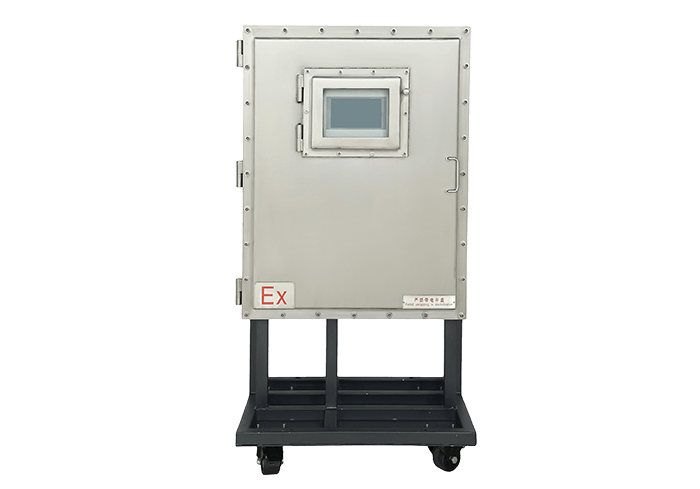
- Gas Utilization: Channeling the captured biogas for various applications, such as electricity generation, heating, or even as a vehicle fuel.
Benefits of Biogas Solutions
- 1. Waste Reduction: Anaerobic digestion significantly reduces the volume of organic waste, mitigating the environmental impact of landfills.
- 2. Renewable Energy: Biogas is a renewable energy source that can replace fossil fuels in various applications, contributing to a more sustainable energy landscape.
- 3. Greenhouse Gas Reduction: By capturing methane through biogas production, the process helps reduce greenhouse gas emissions, combating climate change.
- 4. Localized Energy Production: Biogas solutions allow for localized energy production, reducing the need for centralized power grids.
- 5. Nutrient-Rich Byproduct: The solid residue left after anaerobic digestion, known as digestate, is a nutrient-rich fertilizer that can be used in agriculture.
Challenges and the Road Ahead
While anaerobic digestion and biogas solutions offer significant benefits, challenges exist. These include the initial investment required for digester infrastructure, the need for consistent and high-quality feedstock, and ongoing maintenance.
To overcome these challenges, ongoing research and technological advancements are crucial. Improved digester designs, efficient gas storage systems, and innovations in feedstock utilization are continuously enhancing the viability and efficiency of anaerobic digestion.
Sustainable power from waste is not merely a futuristic concept; it’s a tangible and practical solution we can implement today. By embracing anaerobic digestion and biogas solutions, we not only address the challenges of waste management but also contribute to a cleaner, greener, and more sustainable future.
 Manufacturer of biogas analyzer, landfill gas analyzer and extraction monitor, anaerobic digester gas analyzer