
In the pursuit of sustainable and eco-friendly solutions, biogas has emerged as a key player in the transition to cleaner energy sources. Biogas, produced through the anaerobic digestion of organic matter, offers a versatile and renewable energy option that can significantly contribute to reducing our carbon footprint. One promising avenue in this domain is the utilization of biogas engines for power generation, heating, and various industrial applications. In this article, we will explore how biogas engines are paving the way for a cleaner, greener future.
The Essence of Biogas Engines
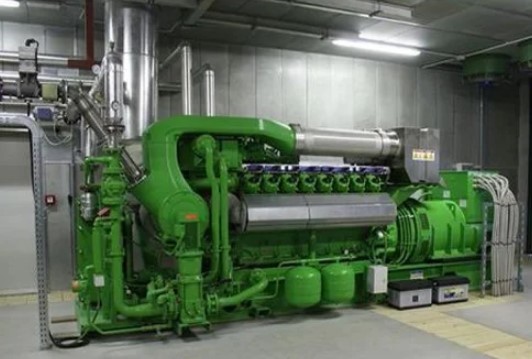
Biogas engines, also known as gas engines, are designed to convert the energy stored in biogas into mechanical power. The combustion of biogas within these engines generates rotational motion, which can then be harnessed to drive generators, pumps, or any other machinery requiring mechanical power. The versatility of biogas engines makes them suitable for a range of applications, from decentralized power generation in rural areas to providing sustainable energy for industries.
Advantages of Biogas Engines
- Renewable Energy Source:
Biogas is a renewable resource produced through the natural degradation of organic materials. By using it as a fuel for engines, we tap into a virtually endless source of clean energy.
- Greenhouse Gas Reduction:
One of the significant environmental benefits of biogas engines is their role in mitigating greenhouse gas emissions. By capturing and utilizing biogas, we prevent the release of methane, a potent greenhouse gas, into the atmosphere.
- Waste-to-Energy:
Biogas engines allow us to convert organic waste, including agricultural residues, food scraps, and sewage, into valuable energy. This waste-to-energy approach not only addresses waste management challenges but also contributes to a circular and sustainable economy.
- Energy Independence:
Communities and industries can achieve a degree of energy independence by harnessing biogas locally. This reduces dependence on centralized energy grids and fossil fuel imports.
- Reduced Environmental Impact:
Compared to traditional fossil fuels, the combustion of biogas is cleaner, releasing fewer pollutants and particulate matter. This translates to improved air quality and a reduced overall environmental impact.
Applications of Biogas Engines
- Electricity Generation:
Biogas engines are widely employed for electricity generation, providing power for homes, businesses, and even entire communities.
- Heating Systems:
The heat produced during the combustion of biogas can be harnessed for heating purposes, both in residential and industrial settings.
- Cogeneration (Combined Heat and Power):
Cogeneration systems, utilizing biogas engines, generate both electricity and useful heat from the same energy source, enhancing overall efficiency.
- Industrial Processes:
Biogas engines find applications in various industrial processes, providing a sustainable energy solution for manufacturing and production activities.
By utilizing a resource derived from natural processes, we not only reduce our dependence on finite fossil fuels but also actively contribute to environmental conservation. The integration of biogas engines into our energy landscape holds the promise of a greener, more resilient future—one where energy production aligns harmoniously with ecological well-being.
 Manufacturer of biogas analyzer, landfill gas analyzer and extraction monitor, anaerobic digester gas analyzer