
In the archipelago of Indonesia, where the tapestry of nature is as diverse as its vibrant cultures, a quiet revolution is taking place—one that aligns with the global movement toward sustainable living. At the heart of this transformation is the untapped potential of domestic biogas, a renewable energy source that promises not just a shift towards cleaner energy but a paradigm change in how households manage their waste and energy needs.
The Landscape of Indonesia’s Sustainability Challenge
As one of the largest contributors to global greenhouse gas emissions, Indonesia faces the urgent need to adopt sustainable practices. Rapid urbanization and population growth have led to increased waste generation and heightened energy demands. The delicate balance of Indonesia’s ecosystems, from the lush rainforests to the pristine beaches, necessitates a shift toward sustainable living to preserve its natural heritage.
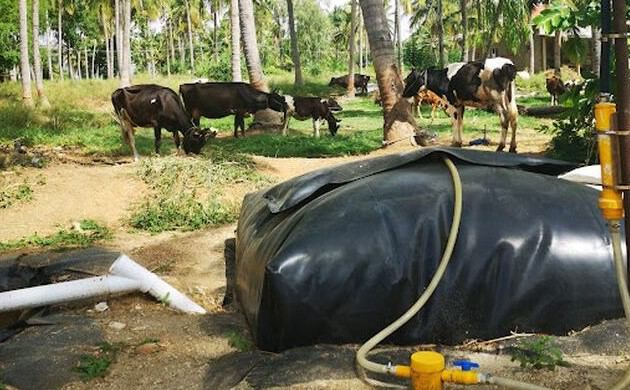
Enter Domestic Biogas: A Sustainable Energy Solution
Domestic biogas systems offer a locally viable and eco-friendly solution to Indonesia’s energy and waste management challenges. These systems operate on the principle of anaerobic digestion, a natural process where microorganisms break down organic matter to produce biogas, primarily composed of methane and carbon dioxide.
Key Benefits of Domestic Biogas Systems in Indonesia:
- 1. Waste Management: Indonesia’s waste crisis, particularly in densely populated urban areas, is a pressing concern. Domestic biogas systems provide a decentralized waste management solution by converting organic household waste, including kitchen scraps and food leftovers, into valuable biogas.
- 2. Clean Energy Production: By harnessing biogas for cooking and heating, households reduce their reliance on traditional fuels like wood or fossil fuels. This not only lowers carbon emissions but also addresses the health hazards associated with indoor air pollution from traditional cooking methods.
- 3. Rural Empowerment: In Indonesia, where rural communities often face energy poverty, domestic biogas systems empower households by providing a local and renewable energy source. This can be especially transformative in remote areas that are not connected to centralized energy grids.
- 4. Reduction in Greenhouse Gas Emissions: The shift to biogas as a cooking fuel significantly reduces the carbon footprint of households. It mitigates the release of methane—a potent greenhouse gas—generated during the natural decay of organic waste in landfills.
- 5. Fertilizer Production: The byproduct of the anaerobic digestion process, known as digestate, serves as a nutrient-rich organic fertilizer. This not only closes the nutrient loop but also enhances soil fertility in agricultural settings.
As Indonesia steers towards a more sustainable future, the widespread adoption of domestic biogas systems stands as a beacon of hope. It not only offers a cleaner and decentralized energy solution but also aligns with the principles of circular economy and responsible waste management. Sustainable living, through the lens of domestic biogas, signifies not just a change in energy sources but a cultural shift towards more conscious and harmonious coexistence with Indonesia’s breathtaking natural landscapes.
 Manufacturer of biogas analyzer, landfill gas analyzer and extraction monitor, anaerobic digester gas analyzer