
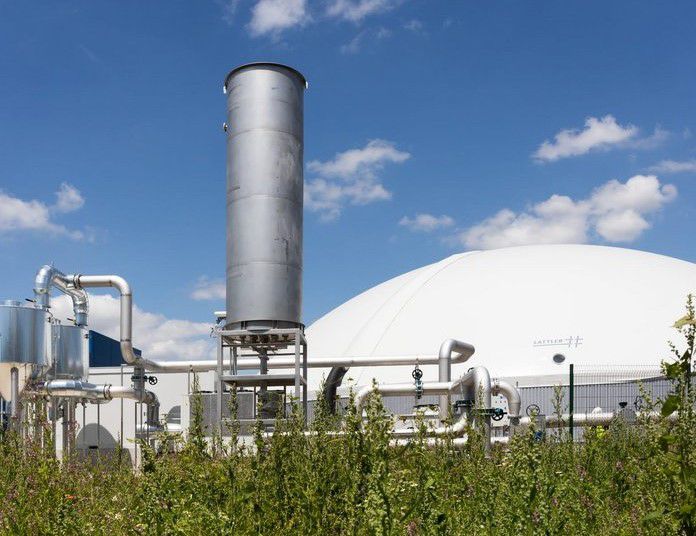
In an era where sustainable and eco-friendly energy solutions are imperative for mitigating climate change and reducing our reliance on fossil fuels, biomass digesters have emerged as a green power generation marvel. These innovative systems efficiently convert organic materials into biogas, which is a clean and renewable energy source. In this article, we will explore the fascinating world of biomass digesters and how they play a crucial role in green power generation.
The Power of Biomass Digesters
Biomass digesters, sometimes known as biogas digesters, are specialized units designed to utilize anaerobic digestion, a natural biological process that occurs in the absence of oxygen. This process breaks down organic matter to produce biogas, a potent mixture of methane (CH4) and carbon dioxide (CO2). This biogas can then be harnessed for various energy applications.
How Biomass Digesters Work
- 1. Feedstock Collection: The first step involves collecting organic materials, which can encompass a wide range of materials, including agricultural residues, food waste, sewage sludge, and manure.
- 2. Feedstock Introduction: The collected organic materials are introduced into the digester, where microorganisms eagerly await their arrival.
- 3. Anaerobic Digestion: Inside the digester, these microorganisms work their magic. They break down complex organic compounds in the absence of oxygen, releasing methane and carbon dioxide as byproducts.
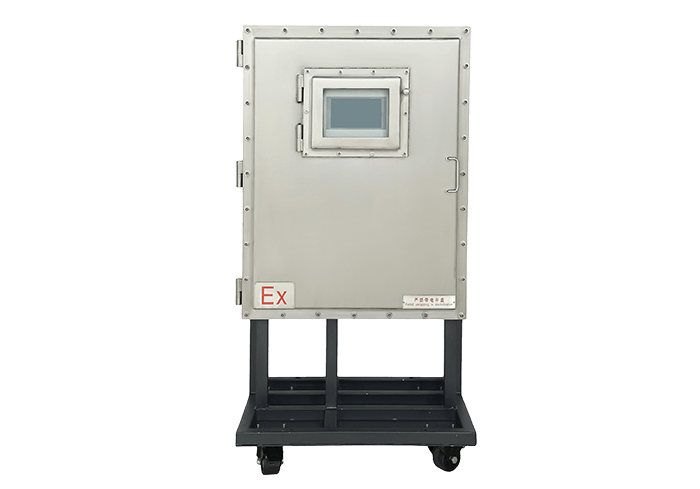
- 4. Monitoring equipment: During the biogas production process, the required equipment is a biogas analyzer, which uses advanced photoelectric sensing principles to detect methane (CH4), oxygen (O2), carbon dioxide (CO2), hydrogen sulfide (H2S), etc. For example, the OLGA2000 biogas online monitoring system can be widely used in gas monitoring in landfill biogas power plants, petrochemicals, coal mines and other scenarios, and can achieve remote data transmission.
- 5. Biogas Capture: The generated biogas is captured and stored for various applications.
- 6. Gas Utilization: The biogas can be used for a multitude of purposes, such as cooking, heating, electricity generation, or even as a clean fuel for vehicles.
The Environmental and Economic Benefits
- 1. Greenhouse Gas Reduction: By capturing methane during the digestion process, biomass digesters significantly reduce greenhouse gas emissions, a major contributor to global warming.
- 2. Waste Management: These systems efficiently manage organic waste, diverting it from landfills and minimizing the environmental pollution associated with waste disposal.
- 3. Renewable Energy Source: Biogas is a renewable energy source, reducing our dependence on finite fossil fuels and contributing to a more sustainable energy landscape.
- 4. Energy Security: Biomass digesters promote energy security by offering an alternative energy source that can be produced locally.
- 5. Economic Opportunities: These systems create job opportunities, stimulate economic growth, and support rural development.

Biomass digesters exemplify the potential of harnessing the power of nature for sustainable energy generation and responsible waste management. As technology advances and awareness grows, these systems continue to play a pivotal role in reshaping the energy landscape and fostering a more environmentally conscious world. By efficiently converting organic waste into renewable energy, biomass digesters offer a clean and green solution to our energy needs, reducing our carbon footprint and demonstrating the transformative potential of innovative solutions.
 Manufacturer of biogas analyzer, landfill gas analyzer and extraction monitor, anaerobic digester gas analyzer