
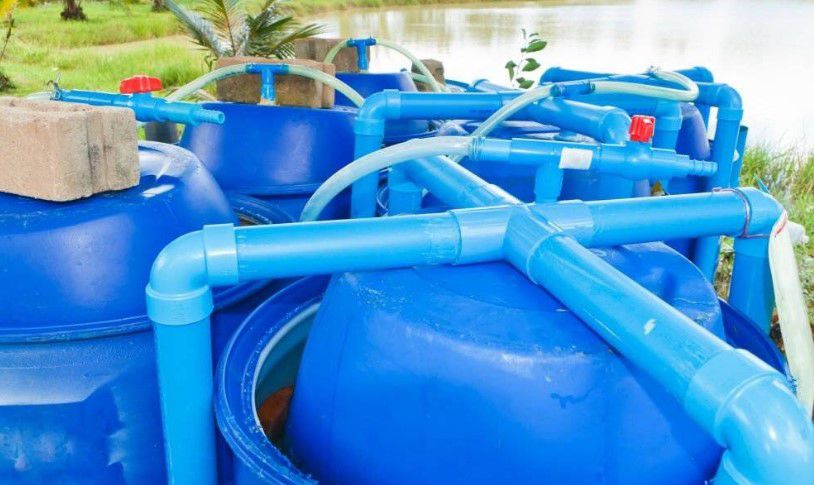
In an era where sustainability and clean energy are at the forefront of global conversations, the portable biogas digester is emerging as an ingenious solution to meet these pressing needs. These compact, mobile units enable individuals and communities to generate clean energy from organic waste while maintaining the flexibility of mobility. In this article, we will explore the concept of portable biogas digesters, their working principles, and the transformative impact they have on providing clean energy on-the-go.
The Power of Portability
Portable biogas digesters represent a significant leap forward in clean energy innovation. These units are designed for mobility and can be used in various settings, from rural farms and remote villages to recreational vehicles and outdoor events. They harness the principles of anaerobic digestion to convert organic waste into biogas, which is primarily composed of methane (CH4) and carbon dioxide (CO2).
How Portable Biogas Digesters Work
The operation of portable biogas digesters is a simplified version of larger, stationary biogas plants. Here’s how they work:
- 1. Feedstock Collection: Organic waste materials, such as kitchen scraps, agricultural residues, and animal manure, are collected.
- 2. Feedstock Loading: The collected organic waste is loaded into the portable digester, which is usually a small, sealed container designed to maintain anaerobic conditions.
- 3. Anaerobic Digestion: Inside the digester, microorganisms break down the organic matter in the absence of oxygen, producing biogas.
- 4. Biogas Storage: The generated biogas is captured and stored in a separate container or bag to maintain its purity.
- 5. Gas Utilization: The stored biogas can be utilized for cooking, heating, or other applications, depending on the user’s needs.
The Benefits of Portable Biogas Digesters
- 1. Clean and Renewable Energy: Portable biogas digesters provide a clean and renewable source of energy, reducing the reliance on fossil fuels and lowering carbon emissions.
- 2. Waste Management: These units efficiently manage organic waste, reducing the environmental impact of waste disposal and helping divert waste from landfills.
- 3. Mobility and Versatility: Users can enjoy the flexibility of clean energy wherever they go, making them ideal for rural communities, camping trips, and outdoor events.
- 4. Cost-Efficiency: Portable biogas digesters offer a cost-effective energy solution, particularly in off-grid or remote areas, where traditional fuels may be expensive to obtain.
Challenges and Considerations
- Feedstock Availability: The consistent availability of organic waste materials can be a challenge, especially in certain environments.
- Maintenance: Like all energy facilities, portable biogas digesters require regular maintenance to ensure optimal performance.
- Initial Investment: There is an initial cost associated with setting up the necessary infrastructure, such as the digester and gas storage.
Portable biogas digesters represent a step forward in the pursuit of clean, sustainable energy, particularly in off-grid or remote locations where traditional energy sources may be scarce or expensive. By efficiently converting organic waste into renewable energy, these units offer not only a source of power but also a solution to environmental issues related to waste management. As technology continues to advance and awareness grows, portable biogas digesters showcase the potential of small-scale, mobile actions that can make a significant impact on reducing our carbon footprint and providing clean energy on-the-go.
 Manufacturer of biogas analyzer, landfill gas analyzer and extraction monitor, anaerobic digester gas analyzer