
In an era of increasing concern about sustainable energy sources and environmental conservation, it may come as a surprise that one of the most unlikely candidates for clean energy is cow dung. However, this unassuming substance has been harnessed as a valuable resource in the form of cow dung gas. The process involves converting cow dung, along with other organic materials, into biogas through anaerobic digestion. This not only provides a clean and renewable energy source but also addresses waste management and environmental concerns. In this article, we will explore the journey from barnyard waste to clean energy through cow dung gas and the significance it holds in our pursuit of a more sustainable future.
The Power of Cow Dung Gas
Cow dung gas, also known as gobar gas in some regions, is the result of the anaerobic digestion of cow dung and other organic materials. It is primarily composed of methane (CH4) and carbon dioxide (CO2) and can be used as a source of renewable energy. This process takes advantage of a natural biological process where microorganisms break down organic matter in the absence of oxygen, producing biogas as a byproduct.
How Cow Dung Gas is Produced
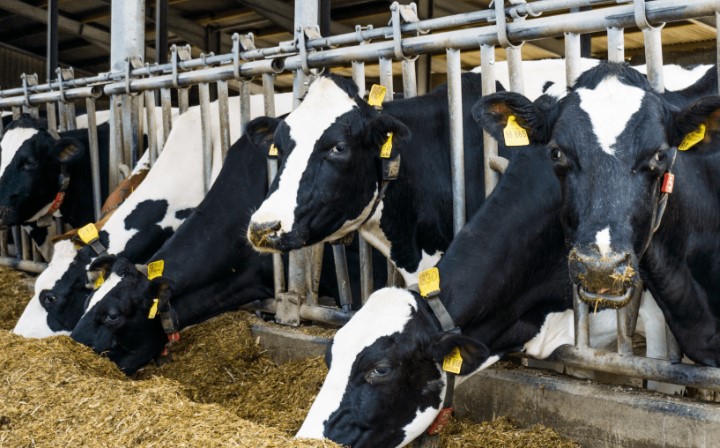
- 1. Collection of Cow Dung: Cow dung is collected from cattle farms, dairies, or any location with a significant supply of cow dung. It serves as the primary feedstock for biogas production.
- 2. Feedstock Mixing: The collected cow dung is mixed with water to form a slurry, which is then introduced into an anaerobic digester.
- 3. Anaerobic Digestion: Inside the digester, microorganisms work to break down the organic matter in the cow dung and other feedstocks. This biological process generates biogas, consisting mainly of methane and carbon dioxide.
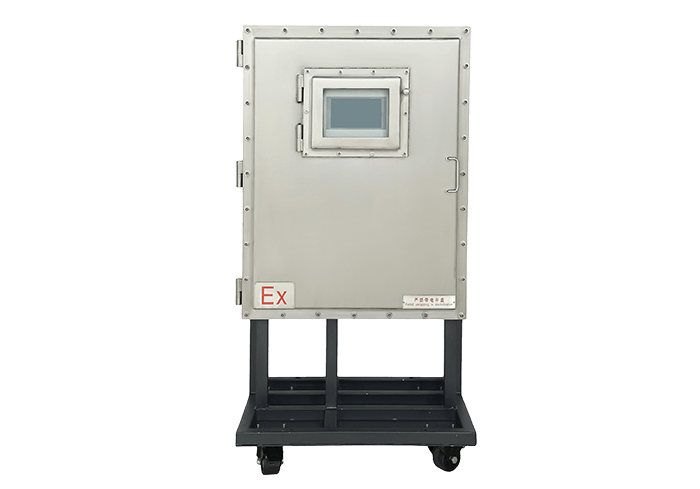
- 4. Monitoring equipment: During the biogas production process, the required equipment is a biogas analyzer, which uses advanced photoelectric sensing principles to detect methane (CH4), oxygen (O2), carbon dioxide (CO2), hydrogen sulfide (H2S), etc. For example, the OLGA2000 biogas online monitoring system can be widely used in gas monitoring in landfill biogas power plants, petrochemicals, coal mines and other scenarios, and can achieve remote data transmission.
- 5. Biogas Collection: The produced biogas is captured and stored in a gas holder, which ensures a constant pressure and supply of biogas.
- 6. Gas Utilization: The captured biogas can be utilized for various applications, including cooking, heating, electricity generation, and even as a fuel for vehicles.
The Significance of Cow Dung Gas
- 1. Clean and Renewable Energy: Cow dung gas provides a clean and renewable energy source, reducing our reliance on fossil fuels and lowering greenhouse gas emissions.
- 2. Waste Management: Byproduct management of cow dung is more efficient, reducing the environmental impact of waste disposal and landfills.
- 3. Carbon Footprint Reduction: The use of cow dung gas significantly reduces the carbon footprint, helping in the global fight against climate change.
- 4. Energy Independence: Cow dung gas offers a locally sourced and produced energy solution, reducing dependence on centralized energy grids and imported fossil fuels.
- 5. Nutrient Recycling: The nutrient-rich digestate, a byproduct of the digestion process, serves as an excellent organic fertilizer, improving soil quality and crop yields in agriculture.
Challenges and Advances
While cow dung gas presents tremendous promise, it is not without its challenges. Factors such as feedstock availability, gas quality, and proper maintenance can influence its widespread adoption. However, ongoing research and technological advancements are continuously addressing these challenges. Improved gas cleaning and upgrading technologies, along with better training and support for plant users, are making cow dung gas production more efficient and accessible.
Cow dung gas is an exemplar of how sustainable living practices can benefit both rural communities and the environment. By converting cow dung and other organic waste into clean energy, this technology provides a lifeline to rural households, reduces the carbon footprint, and contributes to waste management and sustainable agriculture. Cow dung gas is not just about turning waste into power; it’s a symbol of innovation, sustainability, and our ability to turn what was once considered waste into a valuable resource.
 Manufacturer of biogas analyzer, landfill gas analyzer and extraction monitor, anaerobic digester gas analyzer