

In a world increasingly focused on sustainability and environmentally friendly practices, biodigesters have emerged as a significant player in the quest for cleaner and more efficient waste management and energy generation. These innovative systems transform organic waste into biogas through a natural anaerobic digestion process, and as their popularity grows, understanding biodigester price trends becomes essential. In this article, we will explore how biodigester prices are evolving and why they are a key indicator of the global shift towards sustainable living.
The Rise of Biodigesters
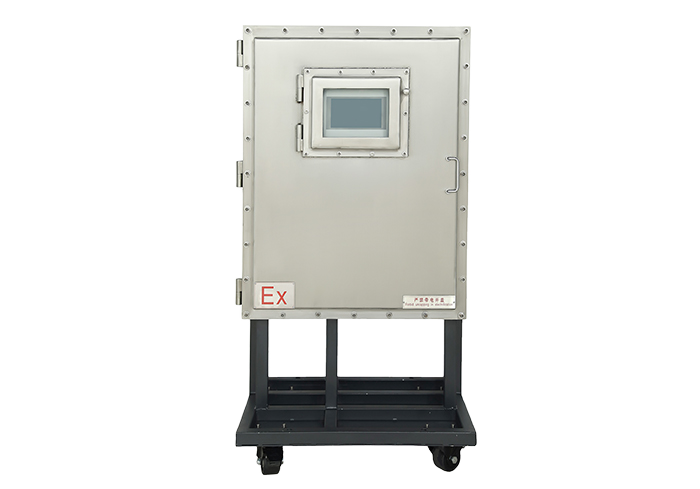
Biodigesters, often referred to as anaerobic digesters, are systems that use microorganisms to break down organic materials in the absence of oxygen. This process results in the production of biogas, which is primarily composed of methane (CH4) and carbon dioxide (CO2). Biodigesters come in various sizes and configurations, making them suitable for households, farms, and large-scale industrial applications. In the biogas production process, a biogas analyzer is usually required, which uses advanced photoelectric sensing principles to detect and analyze methane (CH4), oxygen (O2), carbon dioxide (CO2), hydrogen sulfide (H2S) and other gases. For example, the OLGA2000 biogas online monitoring system can be widely used in gas monitoring in landfill biogas power plants, petrochemicals, coal mines and other scenarios, and can achieve remote data transmission.
The Significance of Biodigesters in Sustainable Living
- 1. Waste Management: They efficiently manage organic waste, diverting it from landfills and reducing the environmental impact of waste disposal.
- 2. Renewable Energy: Biodigesters produce biogas, which is a renewable energy source that can be used for cooking, heating, electricity generation, and even as a vehicle fuel. This reduces reliance on fossil fuels and lowers carbon emissions.
- 3. Nutrient Recycling: The nutrient-rich slurry produced as a byproduct of digestion can serve as an organic fertilizer, improving soil quality and crop yields in agriculture.
- 4. Greenhouse Gas Reduction: Biodigesters capture methane, a potent greenhouse gas, during the digestion process, mitigating its release into the atmosphere.
Biodigester Price Trends
Biodigester prices have historically been a barrier to their widespread adoption. However, as technology advances and demand increases, the prices have begun to trend downwards. Several factors contribute to these price trends:
- 1. Economies of Scale: Large-scale biodigesters tend to be more cost-effective in terms of biogas production per unit of investment. This has led to more industrial and community-scale biodigesters, reducing the overall price per unit.
- 2. Competition: As the industry grows, more companies and manufacturers enter the market, leading to competition and potentially lower prices.
- 3. Technological Advancements: Ongoing research and development have improved biodigester designs, making them more efficient and cost-effective.
- 4. Government Initiatives: Many governments are offering subsidies and incentives to promote renewable energy and sustainable waste management. These incentives can significantly lower the cost of installing biodigesters.
- 5. Local Material Availability: The cost of biodigester construction can be influenced by the availability and cost of local materials.
Why Biodigester Price Trends Matter
The evolution of biodigester prices provides valuable insights into the global commitment to sustainable living. As prices become more competitive, it becomes more financially feasible for households, farms, and communities to adopt biodigester technology. This shift not only reduces the environmental impact of organic waste but also contributes to the global transition towards cleaner energy sources.
Moreover, biodigester price trends indicate the growing importance of decentralized energy generation and waste management. Biodigesters enable individuals and communities to take control of their energy production and waste reduction, reducing dependence on centralized infrastructure and fossil fuels.
Biodigester price trends are a window into the broader movement towards sustainable living. As prices become more accessible, biodigesters are no longer a niche technology but a viable and cost-effective solution for households, farms, and communities. Their potential to simultaneously address waste management, energy generation, and greenhouse gas reduction makes them a valuable addition to the arsenal of tools for a more sustainable future. The evolving biodigester market serves as a beacon of hope, demonstrating that a cleaner, more environmentally responsible way of living is not only possible but increasingly within reach.
 Manufacturer of biogas analyzer, landfill gas analyzer and extraction monitor, anaerobic digester gas analyzer