
In the quest for sustainable and renewable energy sources, biogas has emerged as a versatile and environmentally friendly option with immense potential. Derived from the anaerobic digestion of organic materials, biogas is composed primarily of methane (CH4) and carbon dioxide (CO2). What sets it apart is its ability to serve as a clean, renewable energy source with a wide range of applications.
The Green Credentials of Biogas
Biogas production is fundamentally rooted in recycling organic matter. This process, commonly associated with agricultural residues, food waste, sewage, and energy crops, not only manages organic waste efficiently but also reduces greenhouse gas emissions. By capturing methane, a potent greenhouse gas, during the anaerobic digestion process, biogas production prevents its release into the atmosphere, thus contributing to mitigating climate change.
The environmental benefits of biogas extend beyond carbon reduction. It promotes sustainable waste management, reduces the dependence on fossil fuels, and closes the nutrient loop in agriculture by producing nutrient-rich digestate as a byproduct, which can be used as organic fertilizer.
The Versatility of Biogas Applications
- 1. Cooking: Biogas can be used as a cleaner alternative to traditional cooking fuels such as firewood, charcoal, or liquefied petroleum gas (LPG), reducing indoor air pollution and deforestation.
- 2. Heating: It serves as a reliable source of heat for residential and industrial applications, reducing the carbon footprint associated with space heating and hot water production.
- 3. Electricity Generation: In larger biogas plants, biogas can be used to generate electricity, contributing power to the grid and supporting renewable energy targets.
- 4. Vehicle Fuel: After proper purification and compression, biogas can be used as a clean and sustainable fuel for vehicles, reducing emissions from the transportation sector.
- 5. Combined Heat and Power (CHP) Systems: Biogas can be used in CHP systems, where it simultaneously generates heat and electricity, increasing energy efficiency.
The Future of Biogas
- 1. Technology Advancements: Ongoing research and technological developments continue to enhance the efficiency of biogas production. Improved digester designs, gas upgrading techniques, and more effective feedstock management are on the horizon.
- 2. Waste Reduction: Biogas is at the intersection of waste management and energy production, offering an integrated solution for organic waste that aligns with the principles of a circular economy.
- 3. Energy Security: By diversifying energy sources and promoting localized energy production, biogas contributes to energy security and reduces dependence on centralized grids and imported fuels.
- 4. Sustainable Agriculture: The nutrient-rich digestate produced during biogas production provides an eco-friendly organic fertilizer, boosting soil health and crop yields in agriculture.
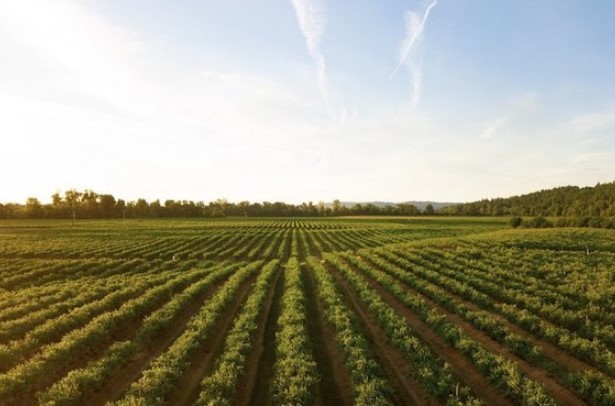
- 5. Community Development: Smaller-scale biogas systems can empower rural communities by providing them with a local and sustainable energy source.
Challenges and Considerations
Despite its potential, the widespread adoption of biogas does face some challenges. These include feedstock availability, initial investment costs, and regulatory frameworks. Addressing these challenges will be pivotal in harnessing the full potential of biogas.
Biogas represents a beacon of hope in the transition to a more sustainable and environmentally conscious future. It is a versatile, clean, and renewable energy source that can mitigate climate change, improve waste management, and provide sustainable solutions for diverse energy needs. As we move forward, the role of biogas in powering tomorrow’s world is set to expand, offering us a greener and more sustainable path forward.
 Manufacturer of biogas analyzer, landfill gas analyzer and extraction monitor, anaerobic digester gas analyzer