
As the world grapples with the urgency of transitioning to cleaner and more sustainable energy sources, biogas has emerged as a hidden gem in the green energy landscape. Comprising primarily methane (CH4) and carbon dioxide (CO2), biogas is produced through the anaerobic digestion of organic materials. This clean and renewable energy source not only offers a practical solution for reducing greenhouse gas emissions but also harnesses the potential of methane, often referred to as the “green energy goldmine.” In this article, we’ll delve into the significance of methane in biogas and its pivotal role in advancing sustainable energy solutions.
The Biogas Revolution
Biogas production has gained widespread recognition for its multifaceted advantages. It is generated by the decomposition of organic matter, making it an eco-friendly alternative to traditional fossil fuels. This process has numerous applications, ranging from household cooking and heating to industrial electricity generation and vehicle fuel.
The primary constituents of biogas are methane and carbon dioxide, with methane making up the lion’s share. The composition of biogas can vary depending on factors such as the type of feedstock and the anaerobic digestion process employed. However, the presence of methane remains consistent and is the key to its importance as a green energy source.
Methane: The Energy Star of Biogas
Methane, often dubbed the “clean energy goldmine” in biogas, is the critical component responsible for its energy content. Its combustion releases energy in the form of heat, making it a highly efficient fuel for various applications. Here are some reasons why methane is considered a valuable asset in the green energy landscape:
- 1. Energy Density: Methane has a high energy density, meaning it contains a substantial amount of energy within a relatively small volume. This makes it an efficient fuel for electricity generation, heating, and even vehicle propulsion.
- 2. Clean Combustion: When burned, methane produces minimal emissions, making it an environmentally friendly energy source. It releases far fewer pollutants than conventional fossil fuels, contributing to cleaner air and reduced greenhouse gas emissions.
- 3. Renewable: Methane in biogas is renewable and can be continuously produced as long as there is a steady supply of organic materials for anaerobic digestion. This sustainability sets it apart from finite fossil fuels.
- 4. Energy Independence: Biogas, rich in methane, provides an opportunity for energy independence. Communities and households can produce their own energy, reducing reliance on centralized energy grids and imported fuels.
- 5. Waste Management: Biogas production also addresses organic waste management by repurposing waste materials, such as agricultural residues and food scraps, into a valuable energy resource. This dual-purpose approach promotes sustainable waste management and green energy generation.
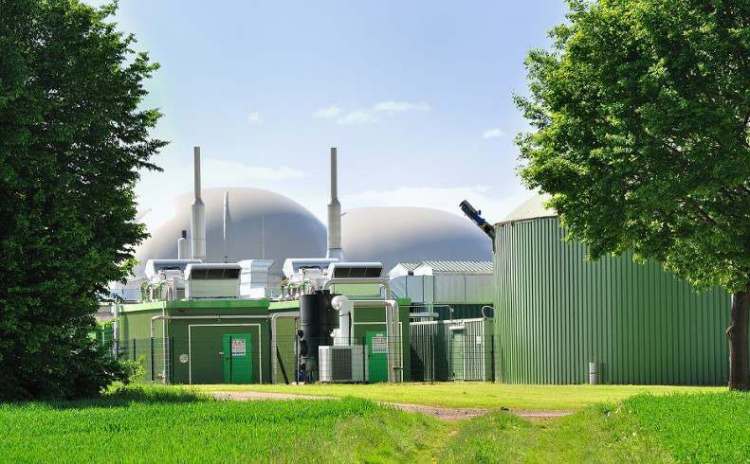
The Methane Challenge: Managing Emissions
While methane in biogas is indeed a green energy goldmine, it’s important to note that uncontrolled methane emissions into the atmosphere can contribute to global warming. Methane is a potent greenhouse gas, with a much higher heat-trapping capability than carbon dioxide over shorter time frames.
To fully capitalize on the benefits of methane in biogas, it’s crucial to minimize fugitive emissions during production, capture, and transportation. Technologies and best practices are continually evolving to enhance the efficiency of biogas capture and utilization while reducing methane leakage.
Methane in biogas is a valuable asset in our journey towards a more sustainable and eco-friendly energy future. Its potential as a green energy goldmine cannot be understated, given its high energy density, renewable nature, and minimal environmental impact when harnessed effectively. As the world explores cleaner energy alternatives, biogas stands as a prime example of how we can unlock the power of methane while addressing waste management and reducing our carbon footprint. In the green energy landscape, methane is not merely a component of biogas; it is the key to a greener and more sustainable tomorrow.
 Manufacturer of biogas analyzer, landfill gas analyzer and extraction monitor, anaerobic digester gas analyzer