
In an age where the quest for sustainable and renewable energy solutions is paramount, biogas has emerged as a quiet hero in the worldwide effort to reduce carbon footprints, combat climate change, and create energy independence. This unassuming source of green energy is generated through the anaerobic digestion of organic materials such as agricultural residues, food waste, sewage, and more. Biogas production not only offers a viable alternative to fossil fuels but also addresses waste management concerns and can have a significant global impact. In this article, we will explore the global significance of biogas energy and its role in shaping a cleaner, more sustainable planet.
A Global Revolution
Biogas production is a global phenomenon, with countries across the world recognizing its potential. Here’s a closer look at the global impact of biogas energy:
1. Reducing Greenhouse Gas Emissions
One of the most significant contributions of biogas energy is its role in mitigating greenhouse gas emissions. When organic materials decompose in landfills or sewage treatment plants, they release methane, a potent greenhouse gas. In contrast, biogas production captures and utilizes this methane, preventing it from entering the atmosphere. This has a direct impact on reducing the world’s overall carbon footprint and mitigating climate change.
2. Sustainable Waste Management
Biogas energy systems efficiently manage organic waste, transforming it from an environmental liability into an asset. By diverting organic materials from landfills, these systems not only reduce landfill usage but also decrease the harmful byproducts of landfill decomposition, such as leachate and odors.
3. Energy Security
As nations strive for energy security, biogas energy offers a locally sourced and produced solution. By decreasing reliance on imported fossil fuels and centralized energy grids, countries can enhance their energy independence, leading to economic stability and security.
4. Rural Development
Biogas energy production often involves rural communities, where organic materials are readily available. These projects can create job opportunities and stimulate economic development in these areas, supporting local livelihoods and prosperity.
5. Environmental Preservation
The utilization of biogas as a clean energy source reduces the environmental impact of traditional energy production. It minimizes the release of pollutants and harmful emissions associated with coal, oil, and natural gas.
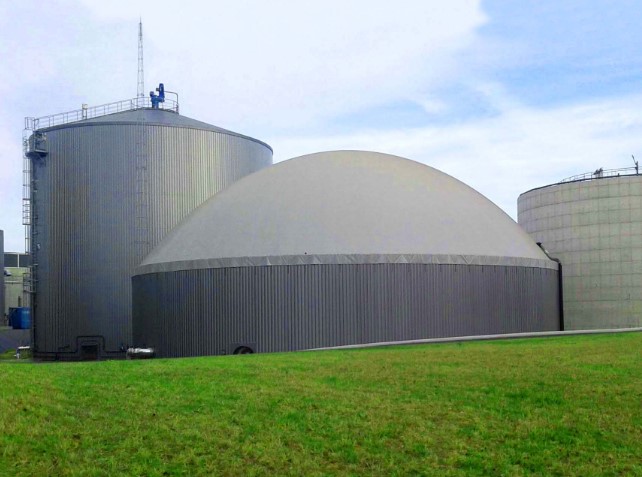
Case Studies in Global Impact
- Germany: Germany is a global leader in biogas energy. The country has a vast network of biogas plants that produce renewable energy from organic materials. The success of the German biogas industry is a testament to the viability and sustainability of this energy source.
- India: India has adopted biogas as a means to provide clean cooking fuel and electricity to rural communities. The National Biogas and Manure Management Program (NBMMP) has been instrumental in promoting biogas technology throughout the country, improving rural livelihoods and reducing carbon emissions.
- USA: In the United States, biogas is utilized in various sectors, from agriculture to wastewater treatment. The implementation of anaerobic digestion technology in these sectors has led to reduced greenhouse gas emissions and the creation of renewable energy.
Biogas energy is a powerful force in the global transition to sustainable and renewable energy sources. Its impact is felt not only in reduced carbon emissions but also in improved waste management, rural development, and energy security. As the world continues to confront environmental challenges and the need for sustainable energy, biogas stands as a beacon of hope, lighting the path toward a cleaner, more sustainable planet. Its significance reaches far beyond the energy sector, touching every aspect of our lives and our shared commitment to a healthier, more sustainable world.
 Manufacturer of biogas analyzer, landfill gas analyzer and extraction monitor, anaerobic digester gas analyzer