
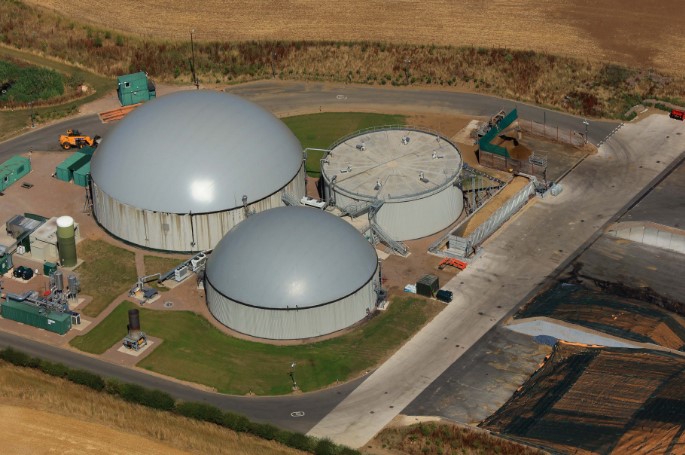
In the quest for sustainable and renewable energy sources, biogas reactors have emerged as innovative solutions that harness the power of organic matter to produce clean energy. These reactors have gained recognition for their ability to reduce greenhouse gas emissions, offer a versatile energy source, and address waste management challenges. In this article, we will explore the significance of biogas reactors and how they transform organic matter into renewable energy.
The Essence of Biogas Reactors
Biogas reactors, often referred to as digesters, are specialized facilities designed to facilitate the anaerobic digestion process. Anaerobic digestion is a natural biological process that occurs in the absence of oxygen, where microorganisms break down organic matter to produce biogas. This biogas, primarily consisting of methane (CH4) and carbon dioxide (CO2), serves as a valuable source of renewable energy.
How Biogas Reactors Work
1. Feedstock Collection: The first stage requires the collection of organic materials, which can include agricultural residues, food waste, sewage sludge, energy crops, and more. These materials serve as feedstock for the reactor.
2. Anaerobic Digestion: The feedstock is mixed with water to create a slurry, which is then introduced into the reactor. Within the reactor, microorganisms break down the organic matter, leading to the production of biogas.
3. Monitoring equipment: During the biogas production process, the required equipment is a biogas analyzer, which uses advanced photoelectric sensing principles to detect methane (CH4), oxygen (O2), carbon dioxide (CO2), hydrogen sulfide (H2S), etc. For example, the OLGA2000 biogas online monitoring system can be widely used in gas monitoring in landfill biogas power plants, petrochemicals, coal mines and other scenarios, and can achieve remote data transmission.

4. Biogas Capture: The generated biogas is captured and stored for various applications.
5. Gas Utilization: The captured biogas can be used for cooking, heating, electricity generation, or as a fuel source for vehicles.
The Significance of Biogas Reactors
- 1. Greenhouse Gas Mitigation: By capturing and utilizing methane, a potent greenhouse gas that would otherwise be released during the natural decomposition of organic matter, biogas reactors contribute to greenhouse gas mitigation.
- 2. Renewable Energy Source: The energy produced by biogas reactors is renewable, reducing our dependence on fossil fuels and lowering carbon emissions.
- 3. Waste Management: These reactors efficiently manage organic waste, diverting it from landfills and reducing environmental pollution.
- 4. Energy Security: Biogas reactors offer a locally sourced and produced energy solution, reducing dependence on centralized energy grids and imported fuels.
- 5. Nutrient Recycling: The nutrient-rich digestate produced as a byproduct of digestion can serve as an organic fertilizer, enhancing soil quality and agricultural productivity.
Challenges and Considerations
- – Feedstock Availability: The consistent availability of organic waste materials, such as agricultural residues or food waste, can be a challenge, especially in urban areas.
- – Initial Investment: Setting up the necessary infrastructure for a biogas reactor can require an initial investment.
- – Maintenance: Regular maintenance is essential for optimal performance and longevity of the reactor.
Biogas reactors stand as a testament to the innovative solutions that bridge the gap between waste management and renewable energy generation. By transforming organic matter into a valuable and clean energy source, these reactors not only reduce greenhouse gas emissions but also contribute to a more sustainable and eco-friendly future. In a world where the need for renewable energy sources is greater than ever, biogas reactors offer a compelling solution that not only addresses our energy needs but also fosters responsible waste management and environmental preservation. Their role in the transition to a more sustainable and greener world is undeniable.
 Manufacturer of biogas analyzer, landfill gas analyzer and extraction monitor, anaerobic digester gas analyzer