
In the pursuit of sustainable and eco-friendly energy sources, biogas has emerged as a key player in the renewable energy landscape. It offers an innovative solution to both waste management and clean energy generation. But what exactly is biogas, and how is it produced from biomass? This article delves into the fascinating process of turning biomass into biogas, highlighting its environmental benefits and potential for a greener future.
Understanding Biogas and Biomass
Biogas is a renewable energy source primarily composed of methane (CH4) and carbon dioxide (CO2). It is produced through a natural process called anaerobic digestion, which occurs when organic matter, such as biomass, breaks down in the absence of oxygen. Biomass, on the other hand, refers to any organic material derived from plants or animals. This can include agricultural residues, food waste, manure, and energy crops.
The Conversion Process
1. Collection and Preparation of Biomass: The process begins with the collection of biomass materials. These can be sourced from various places, including farms, food production facilities, and wastewater treatment plants. Biomass materials can vary widely and may include crop residues, food scraps, or animal manure.
2. Anaerobic Digestion: The collected biomass is then introduced into an anaerobic digester. This sealed environment provides the perfect conditions for naturally occurring microorganisms to break down the organic matter. These microorganisms thrive in the absence of oxygen, leading to the decomposition of biomass.
3. Biogas Production: As the organic matter decomposes, it produces biogas as a byproduct. This biogas primarily consists of methane, which is a potent source of energy. The carbon dioxide produced is also captured in the process.
4. Gas Storage and Utilization: The generated biogas is stored and can be utilized for various purposes. It can be used for cooking, heating, or even for electricity generation.
The Environmental Benefits
- 1. Waste Reduction: The process efficiently manages organic waste, diverting it from landfills and reducing the environmental impact of waste disposal.
- 2. Greenhouse Gas Reduction: By capturing and utilizing methane, a potent greenhouse gas, the process reduces overall greenhouse gas emissions. It turns what would be a harmful environmental pollutant into a valuable energy source.
- 3. Renewable Energy: Biogas is a clean and renewable energy source, contributing to a more sustainable and eco-friendly energy landscape.
- 4. Nutrient Recycling: The nutrient-rich digestate remaining after the digestion process can be used as an organic fertilizer, improving soil quality and crop yields.
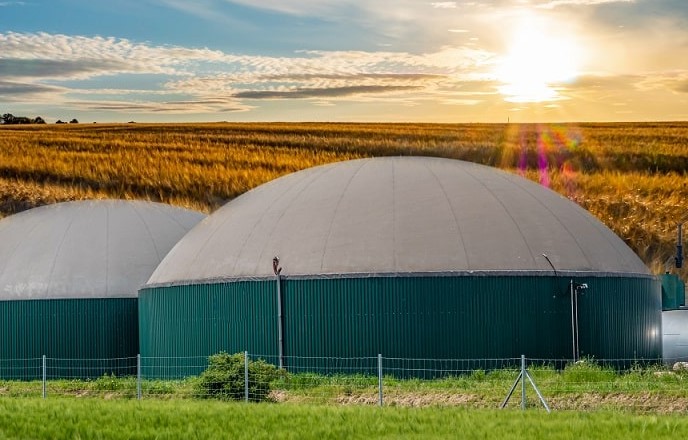
Biomass to biogas represents a transformative journey from waste to energy, where organic materials are converted into a valuable resource while reducing environmental harm. As the world seeks cleaner and more sustainable energy solutions, the process exemplifies the potential of turning biomass into a renewable energy source. It demonstrates that waste materials can be more than just a disposal problem; they can become a cornerstone of a sustainable and eco-friendly future. With continuous research and technological advancements, the biomass-to-biogas process promises to play a vital role in reducing our carbon footprint and fostering a greener planet.
 Manufacturer of biogas analyzer, landfill gas analyzer and extraction monitor, anaerobic digester gas analyzer