
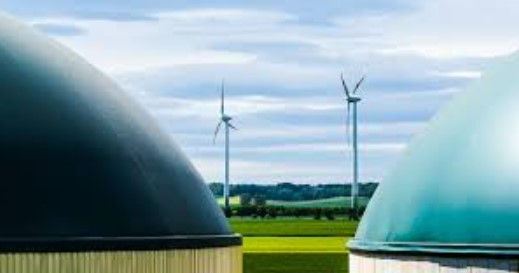
In a world grappling with environmental challenges and the imperative to transition to sustainable energy sources, biogas projects have emerged as a beacon of hope. These projects harness the power of anaerobic digestion to convert organic materials into biogas, a clean and renewable energy source. However, the efficiency of biogas projects is critical to their success and impact on sustainability.
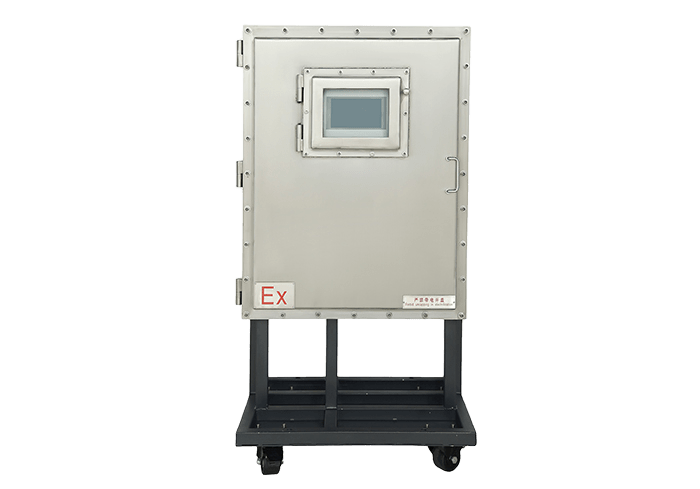
Biogas projects are centered around anaerobic digesters, specialized facilities that create optimal conditions for microorganisms to break down organic matter in the absence of oxygen. This process generates biogas, primarily composed of methane (CH4) and carbon dioxide (CO2), which can be harnessed for various applications, including electricity generation, heating, and cooking. During the biogas production process, the required equipment is a biogas analyzer, which uses advanced photoelectric sensing principles to detect and analyze methane (CH4), oxygen (O2), carbon dioxide (CO2), hydrogen sulfide (H2S) and other gases. For example OLGA2000 Online Biogas Monitoring System can be widely used in gas monitoring in landfill gas power plants, petrochemicals, coal mines and other scenarios, and can realize remote data transmission.
Why Biogas Project Efficiency Matters
- 1. Resource Optimization: Efficient biogas projects maximize the use of available resources, such as organic waste materials, to produce more biogas with minimal waste.
- 2. Environmental Impact: Efficient biogas production reduces greenhouse gas emissions, as the process captures and utilizes methane that would otherwise be released into the atmosphere, a potent contributor to global warming.
- 3. Energy Generation: Higher efficiency means more energy output from the same amount of feedstock, contributing to energy security and reducing dependence on fossil fuels.
- 4. Economic Viability: Efficient biogas projects are often more economically viable, as they optimize the return on investment by maximizing energy production and minimizing operational costs.
- 5. Waste Management: Efficient projects offer more effective organic waste management solutions, diverting waste from landfills and reducing environmental pollution.
Factors Influencing Biogas Project Efficiency
- 1. Feedstock Quality and Mix: The type and quality of organic materials used as feedstock play a crucial role in efficiency. A well-balanced mix of carbon-rich and nitrogen-rich materials enhances the digestion process.
- 2. Temperature Control: Maintaining the optimal temperature range within the digester is essential for efficient microbial activity. Temperature fluctuations can slow down the digestion process.
- 3. Mixing and Agitation: Proper mixing of the feedstock inside the digester ensures uniform microbial activity and efficient gas production.
- 4. Retention Time: The duration that feedstock remains in the digester, known as retention time, affects efficiency. Longer retention times allow microorganisms more time to break down complex organic materials fully.
- 5. Digester Design: Different digester designs, such as continuous stirred-tank reactors (CSTRs) or plug-flow digesters, have varying efficiency levels. The choice should align with specific needs and conditions.
- 6. Gas Utilization: Efficient utilization of the generated biogas for electricity generation, heating, or other applications maximizes the benefits of biogas production.
As the world seeks cleaner and more sustainable energy solutions, biogas projects stand at the forefront, offering a path towards a greener and more environmentally conscious future.
 Manufacturer of biogas analyzer, landfill gas analyzer and extraction monitor, anaerobic digester gas analyzer