
In a world facing pressing environmental challenges and a growing need for sustainable solutions, Deenbandhu biogas plants have emerged as beacons of hope. These innovative systems are transforming the way communities generate energy while contributing to waste management and reducing greenhouse gas emissions. In this article, we will explore the Deenbandhu biogas plants, their significance, and how they are paving the way for sustainable living.
Deenbandhu biogas plants are named in honor of Chaudhary Charan Singh, often referred to as “Deenbandhu,” a staunch advocate for the welfare of farmers and rural development in India. These biogas plants are a testament to his vision of sustainable agricultural practices and rural empowerment.
How Deenbandhu Biogas Plants Work
Deenbandhu biogas plants follow the anaerobic digestion process, which converts organic matter into biogas in the absence of oxygen. The key components of a Deenbandhu biogas plant typically include:
1. Digester: This is the heart of the system, where organic waste, primarily cattle dung, is mixed with water and introduced into the digester. Here, microorganisms break down the organic matter, producing biogas as a byproduct.
2. Gas Holder: Biogas produced in the digester is stored in a gas holder, which is typically a floating drum or dome-shaped structure. The gas holder rises as biogas is produced and descends as it is consumed, ensuring a constant pressure and supply of biogas.
3. Inlet and Outlet: These are used for feeding organic waste into the digester and collecting the nutrient-rich slurry (digestate) that remains after digestion. The digestate serves as an excellent organic fertilizer.
4. Gas Delivery System: This system allows users to channel the biogas to various end-uses, such as cooking, heating, or even electricity generation.
The Significance of Deenbandhu Biogas Plants
1. Clean and Renewable Energy: These plants provide a clean and renewable energy source in the form of biogas, reducing reliance on fossil fuels and minimizing greenhouse gas emissions.
2. Waste Management: Deenbandhu biogas plants efficiently manage organic waste, reducing the environmental impact of waste disposal and landfills.
3. Carbon Footprint Reduction: The use of biogas significantly reduces the carbon footprint of rural households, helping combat climate change.
4. Energy Independence: Deenbandhu biogas plants offer a locally sourced and produced energy solution, reducing reliance on centralized energy grids and imported fossil fuels.
5. Nutrient Recycling: The nutrient-rich digestate serves as an organic fertilizer, improving soil quality and crop yields in agriculture.
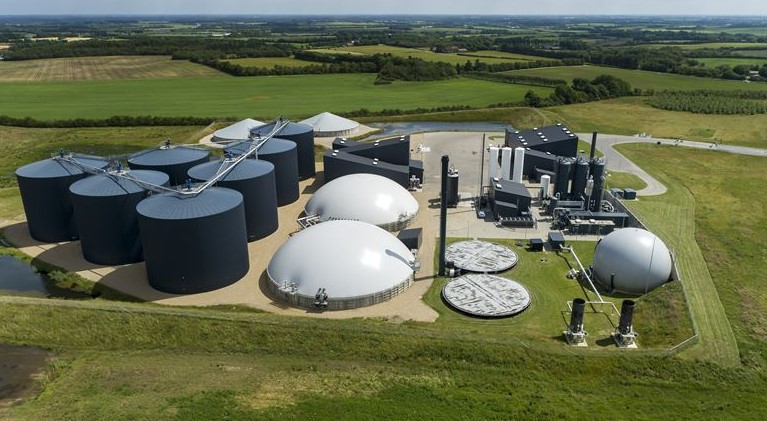
Deenbandhu biogas plants are exemplary in demonstrating how sustainable living practices can benefit both rural communities and the environment. By converting cattle dung and other organic waste into clean energy, these plants provide a lifeline to rural households, reduce the carbon footprint, and contribute to waste management and sustainable agriculture. In the spirit of Chaudhary Charan Singh’s vision, Deenbandhu biogas plants are indeed paving the way for a green revolution, one that promises a more sustainable and harmonious coexistence with our planet.
 Manufacturer of biogas analyzer, landfill gas analyzer and extraction monitor, anaerobic digester gas analyzer