
In our ever-evolving world, the pursuit of sustainability is no longer an option but a necessity. Among the many innovative solutions that have emerged, Bio Compressed Natural Gas (Bio CNG) plants stand out as a powerful tool for reducing our carbon footprint while enhancing energy efficiency. These facilities convert organic waste into clean and renewable fuel, offering a sustainable alternative to traditional fossil fuels. In this article, we will explore the concept of cost efficiency in sustainability through Bio CNG plant investments.
Bio CNG Plants: A Sustainable Energy Solution
Bio CNG plants are designed to produce Compressed Natural Gas (CNG) from organic waste materials. CNG is a cleaner and more sustainable fuel compared to traditional fossil fuels like gasoline or diesel. The production process involves several key steps:
- 1. Feedstock Collection: Organic waste materials such as agricultural residues, food scraps, sewage sludge, and dedicated energy crops are collected and prepared for processing.
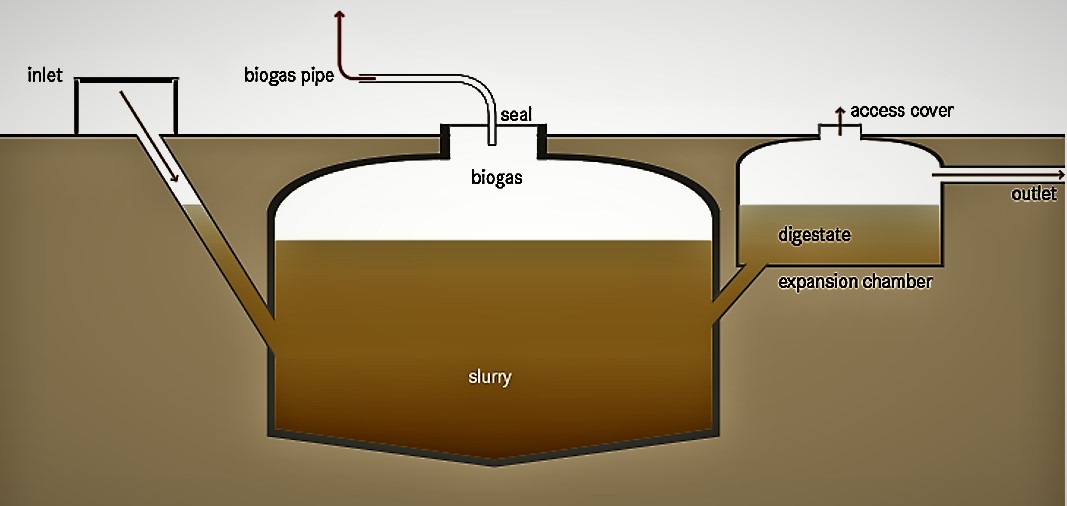
- 2. Anaerobic Digestion: In anaerobic digesters, microorganisms break down the organic waste in the absence of oxygen, producing biogas, primarily composed of methane (CH4) and carbon dioxide (CO2).
- 3. Monitoring equipment: Biogas analyzer, which uses advanced photoelectric sensing principles to detect methane (CH4), oxygen (O2), carbon dioxide (CO2), hydrogen sulfide (H2S), etc. For example, GASCHEK1000 portable biogas analyzer can be widely used in gas monitoring in landfill gas power plants, petrochemicals, coal mines and other scenarios.

- 4. Biogas Upgrading: The raw biogas is upgraded through processes like purification and compression, removing impurities and increasing its energy density.
- 5. CNG Production: The upgraded biogas is compressed to form Bio CNG, which can be used as a vehicle fuel or for various other applications.
The Cost Efficiency Perspective
- 1. Savings on Fuel Costs: Once operational, Bio CNG plants produce a continuous supply of renewable fuel, significantly reducing the need to purchase traditional fossil fuels for vehicles or industrial processes. Over time, this can lead to substantial cost savings.
- 2. Waste Management Savings: By efficiently processing organic waste, Bio CNG plants reduce waste management costs and the environmental impact associated with waste disposal. This can translate into significant cost savings for municipalities and businesses.
- 3. Energy Independence: Bio CNG provides a locally sourced and produced energy source, reducing dependence on centralized energy grids and imported fossil fuels. This enhances energy security and mitigates the risks associated with fluctuating fuel prices.
- 4. Environmental Benefits: The use of Bio CNG reduces greenhouse gas emissions and air pollutants, contributing to a cleaner and healthier environment. The associated environmental benefits can translate into long-term savings through avoided environmental mitigation costs.
Factors Influencing Cost Efficiency
- 1. Feedstock Availability: The consistent availability of organic waste materials is critical for continuous Bio CNG production.
- 2. Plant Scale: The size and capacity of the plant can affect both capital and operating costs. Larger plants may have higher initial costs but can benefit from economies of scale.
- 3. Government Incentives: Some governments offer subsidies, grants, or tax incentives to promote Bio CNG production, improving the return on investment.
- 4. Operational Efficiency: Proper management and skilled personnel are essential to minimize operational costs and maximize plant efficiency.
Investing in a Bio CNG plant may require an initial financial commitment, but from a cost efficiency and sustainability perspective, it holds immense promise. By reducing fuel costs, waste management expenses, and greenhouse gas emissions, Bio CNG plants offer a practical path toward sustainability and energy efficiency. As technology continues to advance and environmental awareness grows, Bio CNG investments are poised to play a pivotal role in our transition to a more sustainable and eco-friendly future.
 Manufacturer of biogas analyzer, landfill gas analyzer and extraction monitor, anaerobic digester gas analyzer