
The quest for sustainable energy sources has led to innovative solutions that are not only environmentally friendly but also economically viable. Among these solutions is the emerging revolution in Compressed BioGas (CBG) production. CBG is a clean and sustainable fuel derived from organic waste materials. In this article, we will delve into the CBG revolution, exploring its production process, benefits, and its promising role in creating a more sustainable energy future.
Compressed BioGas (CBG) Production Process
1. Feedstock Collection: CBG production begins with the collection of organic waste materials. These can include agricultural residues, food waste, animal manure, sewage sludge, and other biodegradable materials.
2. Anaerobic Digestion: The collected organic waste is subjected to anaerobic digestion, a natural biological process that occurs in the absence of oxygen. During this process, microorganisms break down the organic matter, producing biogas, which mainly comprises methane (CH4) and carbon dioxide (CO2).
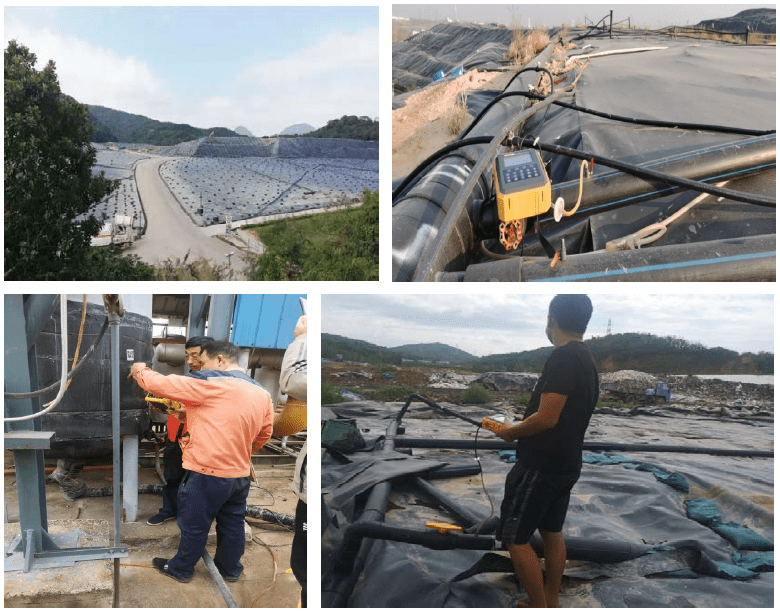
3. Biogas analyzer:Such as GASCHEK1000 portable biogas analyzer adopts advanced photoelectric sensing principle to realize the detection and analysis of methane (CH4), oxygen (O2), carbon dioxide (CO2), hydrogen sulfide (H2S) and other gases for accurate reporting while checking the digestion process efficiently.

4. Biogas Upgrading: The raw biogas produced during anaerobic digestion contains impurities, such as carbon dioxide and trace contaminants. To make it suitable for use as a vehicle fuel or in other applications, biogas is upgraded through processes like purification, compression, and removal of impurities.
5. Compression: After upgrading, the methane-rich biogas is compressed to reduce its volume and increase its energy density. This results in Compressed Natural Gas (CNG) or Compressed BioGas (CBG), which is ready for various applications.
6. Storage and Distribution: The produced CBG is stored in high-pressure containers and can be transported via pipelines or specialized fuel transportation systems.
7. Utilization: CBG can be used as a sustainable fuel for a wide range of applications, including transportation (as a CNG substitute), power generation, and heating.
Benefits of Compressed BioGas (CBG)
1. Environmentally Friendly: CBG is a low-emission fuel, producing significantly fewer greenhouse gases and air pollutants compared to fossil fuels. Its production also reduces methane emissions from organic waste decomposition.
2. Waste Management: CBG production helps address the issue of organic waste disposal. It transforms waste materials into a valuable energy resource, reducing the environmental impact of waste management.
3. Renewable and Sustainable: CBG is derived from organic waste materials, making it a renewable and sustainable energy source. As long as organic waste is available, CBG production can continue.
4. Energy Independence: CBG contributes to energy independence by providing a locally sourced and produced fuel. It reduces dependence on imported fossil fuels and mitigates energy supply disruptions.
5. Economic Opportunities: The CBG industry offers economic opportunities, from waste collection and processing to CBG production, distribution, and utilization. It can create jobs and stimulate local economies.
Applications and the Future of CBG
1. Transportation: CBG can be used as a clean alternative to fossil fuels in vehicles, particularly in public transportation fleets and long-haul trucks. It reduces carbon emissions and air pollutants.
2. Power Generation: CBG can be used to generate electricity and provide a reliable source of power, especially in regions with limited access to traditional energy sources.
3. Heating and Cooling: CBG can replace natural gas for heating and cooling applications, reducing the carbon footprint of residential and commercial buildings.
The future of CBG is promising, especially as countries and industries look for sustainable ways to reduce their carbon emissions and transition towards cleaner energy sources. Government incentives, technological advancements, and increasing awareness of environmental issues are expected to drive the growth of the CBG industry.
 Manufacturer of biogas analyzer, landfill gas analyzer and extraction monitor, anaerobic digester gas analyzer