
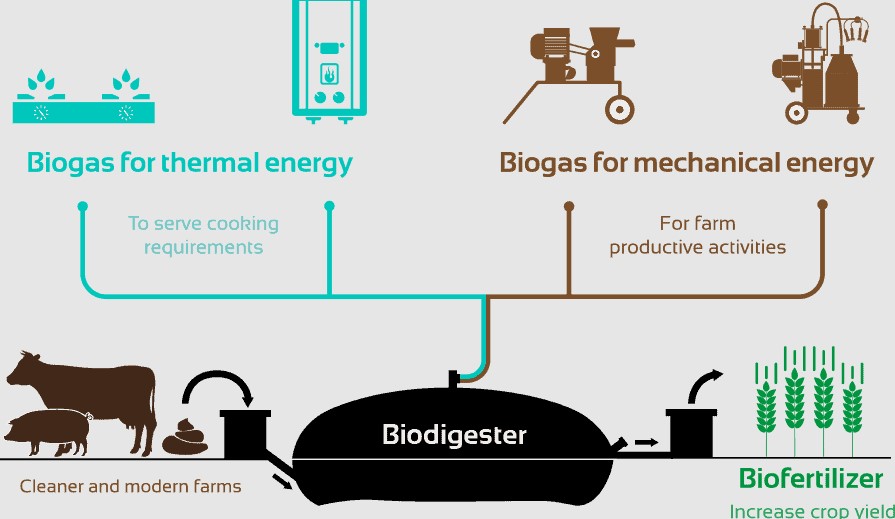
In an era defined by environmental concerns and the need for sustainable energy sources, biogas plants have emerged as a beacon of hope on the roadmap to a cleaner, greener future. These innovative facilities not only provide a source of renewable energy but also offer a sustainable solution for managing organic waste.
The Essence of Biogas Plants
At its core, a biogas plant is a facility designed to harness the natural process of anaerobic digestion, which occurs when microorganisms break down organic matter in the absence of oxygen. This process is akin to what happens in the stomachs of cows and other ruminant animals during digestion. Biogas plants replicate and control this process to produce biogas—a clean, renewable energy source that primarily comprises methane (CH4) and carbon dioxide (CO2).
The fundamental components of a biogas plant include:
1. Feedstock: Biogas plants can utilize a diverse range of organic materials as feedstock. This includes agricultural waste, food scraps, sewage sludge, and even dedicated energy crops.
2. Anaerobic Environment: The digester, where the magic happens, maintains an oxygen-free environment that encourages the growth of anaerobic bacteria. These microorganisms break down organic matter.
3. Biogas Production: As the microorganisms digest the organic material, they release biogas. This biogas can be collected and utilized as an energy source.
4.Monitoring equipment: During the biogas production process, the required equipment is a biogas analyzer, which uses advanced photoelectric sensing principles to detect methane (CH4), oxygen (O2), carbon dioxide (CO2), hydrogen sulfide (H2S), etc. analyze. For example, the OLGA2000 biogas online monitoring system can be widely used in gas monitoring in landfill biogas power plants, petrochemicals, coal mines and other scenarios, and can achieve remote data transmission.

5. Digestate: After the digestion process, what remains is called digestate, a nutrient-rich residue that can be used as a potent fertilizer.
The Promise of Biogas Plants
1. Renewable Energy: Biogas is a renewable energy source that reduces our reliance on fossil fuels. It’s a sustainable way to meet our energy needs while mitigating climate change.
2. Waste Management: These plants address the challenge of organic waste disposal. Instead of allowing organic waste to decompose in landfills, emitting harmful methane gas, biogas plants convert it into valuable biogas and nutrient-rich digestate.
3. Greenhouse Gas Reduction: By capturing and utilizing methane from waste, biogas plants actively contribute to reducing greenhouse gas emissions, making them an environmentally friendly energy solution.
4. Local Energy Production: Biogas plants can be implemented on various scales, from small community projects to large industrial systems. This localization reduces the need for long-distance energy transportation, increasing energy efficiency.
5. Job Creation: The construction, operation, and maintenance of biogas plants create job opportunities, particularly in rural areas where agricultural waste is abundant.
Applications and Success Stories
– Agriculture: Farmers can use biogas plants to convert agricultural waste, such as manure and crop residues, into energy. This not only reduces waste management costs but also provides a consistent energy source.
– Wastewater Treatment: Many wastewater treatment plants utilize biogas plants to process sewage sludge. This reduces disposal costs and provides a sustainable source of energy for the plant’s operations.
– Food Industry: Food processing plants can convert their organic waste into biogas, lowering waste disposal expenses and energy costs.
One notable success story is the Biogas Plant in Linköping, Sweden, which processes sewage sludge and organic waste to produce biogas. This biogas is then used for public transportation, reducing the city’s carbon footprint while efficiently managing waste.
Challenges and the Road Ahead
While biogas plants hold great promise, they are not without challenges. Initial setup costs can be substantial, and the efficiency of the process can vary depending on factors like feedstock quality and environmental conditions. Proper maintenance and skilled personnel are also needed to operate these systems effectively.
Biogas plants represent a vital milestone on our journey toward clean and renewable energy. By harnessing the natural processes of anaerobic digestion, these systems transform organic waste into clean and renewable energy sources while addressing waste management issues and reducing greenhouse gas emissions.
 Manufacturer of biogas analyzer, landfill gas analyzer and extraction monitor, anaerobic digester gas analyzer