
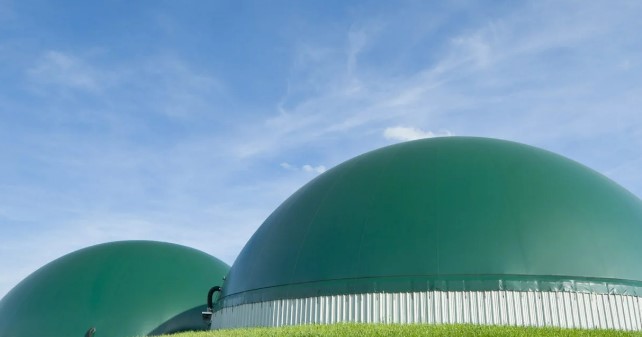
As the world grapples with the urgency of climate change and the need for sustainable energy sources, Anaerobic Digestion (AD) plants are emerging as an innovative and eco-friendly solution. These facilities have proven themselves in efficiently converting organic waste into clean energy while mitigating waste management problems. However, the true potential of AD plants is only beginning to be realized through continuous innovations in technology and operational practices.
The Power of Anaerobic Digestion
Anaerobic digestion is a natural biological process that occurs when microorganisms break down organic matter in the absence of oxygen. This process is akin to what happens in the digestive systems of animals, such as cows and sheep. In AD plants, this natural process is harnessed on a larger scale to generate biogas, a renewable source of energy primarily composed of methane (CH4) and carbon dioxide (CO2).
The typical components of an AD plant include:
1. Feedstock: AD plants accept a wide range of organic materials as feedstock, including agricultural waste, food scraps, sewage sludge, and dedicated energy crops.
2. Digestion Process: In the digester, microorganisms break down the organic matter, releasing biogas.
3. Biogas Production: The biogas is collected and can be used for electricity generation, heating, or as a vehicle fuel.
4.Monitoring equipment: During the biogas production process, the required equipment is a biogas analyzer, which uses advanced photoelectric sensing principles to detect methane (CH4), oxygen (O2), carbon dioxide (CO2), hydrogen sulfide (H2S), etc. analyze. For example, the OLGA2000 biogas online monitoring system can be widely used in gas monitoring in landfill biogas power plants, petrochemicals, coal mines and other scenarios, and can achieve remote data transmission.

5. Digestate: After digestion, what remains is digestate, a nutrient-rich material that can be used as a fertilizer.
Innovations in AD Plant Technology
1. High-Efficiency Digesters: Newer digester designs and materials improve gas production rates, temperature control, and waste mixing, resulting in higher biogas yields.
2. Pre-Treatment Technologies: Advanced pre-treatment techniques help break down complex organic compounds, increasing the accessibility of feedstock to microorganisms and enhancing biogas production.
3. Co-Digestion: Co-digestion involves blending multiple feedstocks to optimize biogas production. This approach allows for a more consistent feedstock supply and maximizes energy output.
4. Biogas Upgrading: Innovations in biogas upgrading technology enable the purification of biogas to produce biomethane, a renewable natural gas suitable for injection into existing natural gas pipelines or use as a transport fuel.
5. Effluent Management: Enhanced effluent treatment processes reduce the environmental impact of digestate discharge and improve its suitability as a fertilizer.
The Sustainable Impact of AD Plant Innovations
1. Climate Change Mitigation: By capturing and utilizing methane, a potent greenhouse gas, AD plants significantly reduce greenhouse gas emissions from organic waste decomposition.
2. Waste Management: AD plants efficiently manage organic waste, diverting it from landfills or incineration and reducing waste management costs.
3. Renewable Energy: The biogas produced from AD plants contributes to the generation of clean, renewable energy, reducing reliance on fossil fuels.
4. Circular Economy: AD plants promote a circular economy by converting waste into valuable resources, including energy and nutrient-rich fertilizers.
5. Energy Independence: Communities and industries can benefit from localized energy production, reducing their dependence on centralized energy grids.
Anaerobic Digestion (AD) plant innovations are at the forefront of sustainable bioenergy solutions. By continuously improving technology and operational practices, these plants are unlocking their full potential to combat climate change, manage organic waste, and provide clean and renewable energy. As research and development in this field continue to evolve, AD plants are set to play a pivotal role in the transition to a more sustainable and eco-friendly future. Their innovative solutions are not just environmentally beneficial but also economically viable, making them a beacon of hope in our quest for sustainable energy sources.
 Manufacturer of biogas analyzer, landfill gas analyzer and extraction monitor, anaerobic digester gas analyzer