
Gobar gas,also known as biogas,is a renewable energy source generated from the anaerobic digestion of organic materials,primarily animal dung or gobar.These systems have gained popularity in rural and agricultural communities as a means to generate clean energy while managing waste.However,like any investment,it’s essential to evaluate the costs and benefits to determine whether a gobar gas plant is worthwhile.In this article,we’ll explore the economics of gobar gas plants and assess whether the investment aligns with the expected returns.
Understanding the Costs
1.Initial Setup Costs:This includes the construction of the digester,gas storage system,and piping.It can also involve costs for biogas appliances like stoves or lamps.
2.Feedstock Collection:The cost of collecting and preparing the dung or organic materials for digestion.
3.Maintenance and Repairs:Over time,gobar gas plants require maintenance,occasional repairs,and replacement of parts.
4.Operational Costs:Costs associated with running the plant,such as labor,utilities,and feedstock acquisition.
5.Cost of detection equipment:for example,GASCHEK1000 portable biogas analyzer adopts advanced photoelectric sensing principle to realize the detection and analysis of methane(CH4),oxygen(O2),carbon dioxide(CO2),hydrogen sulfide(H2S)and other gases for accurate reporting.
Assessing the Benefits
1.Biogas Generation:The primary benefit is the generation of biogas,which can be used for cooking,heating,and even electricity generation.This can significantly reduce household energy expenses.
2.Reduced Health Risks:Using biogas for cooking eliminates indoor air pollution from traditional biomass cooking methods,leading to improved respiratory health.
3.Waste Management:Gobar gas plants efficiently manage animal dung and other organic waste materials,reducing environmental pollution and the need for waste disposal.
4.Nutrient-Rich Slurry:The effluent or digestate from the biogas plant is a valuable organic fertilizer that can enhance crop yields and reduce the need for chemical fertilizers.
5.Energy Independence:Gobar gas provides a locally produced,renewable energy source,reducing dependence on traditional fuels and centralized energy grids.
Factors Influencing the Investment’s Worthiness
1.Energy Needs:The extent to which the household relies on traditional fuels and the local availability and cost of alternative energy sources.
2.Feedstock Availability:The consistent availability of dung or organic materials for digestion is essential for continuous biogas production.
3.Government Incentives:Some governments offer subsidies,grants,or financial incentives to promote gobar gas plant adoption,improving the return on investment.
4.Scale:The size of the plant can affect its cost-effectiveness.Larger plants may produce more biogas but require more feedstock.
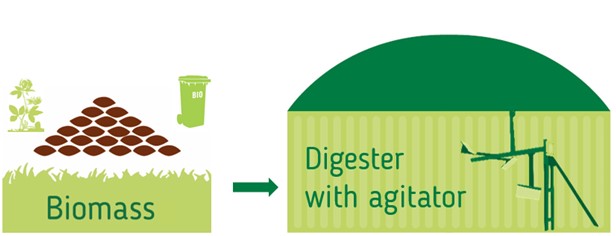
Investing in a gobar gas plant can provide substantial benefits,including clean energy generation,improved health,and waste management.By carefully assessing the costs and benefits and calculating the return on investment,individuals and communities can make informed decisions about whether a gobar gas plant aligns with their goals for sustainable energy and waste management.
 Manufacturer of biogas analyzer, landfill gas analyzer and extraction monitor, anaerobic digester gas analyzer