
In an era marked by climate change concerns and the increasing need for sustainable energy sources,biogas plants have emerged as a promising solution.These facilities convert organic waste into clean energy,and they are often touted as an environmentally friendly investment.However,understanding the financial aspects of biogas plant costs and returns is crucial for making informed decisions.In this article,we will delve into the economics of biogas plant investments and explore the potential returns.
The Anatomy of Biogas Plant Costs
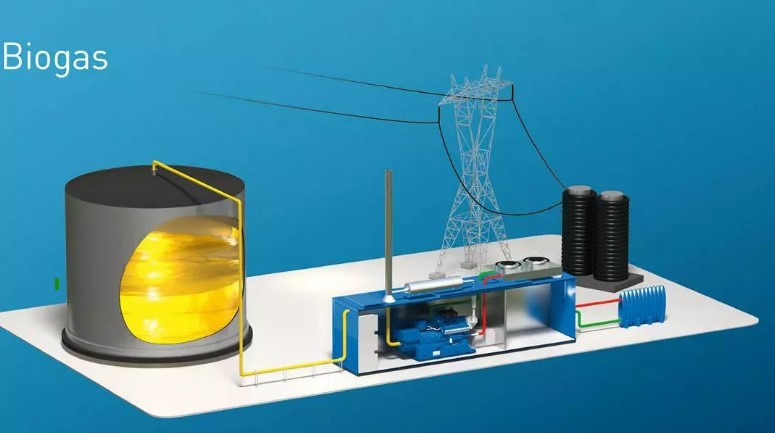
1.Initial Capital Costs:This includes expenses related to the design,construction,and installation of the biogas plant.It encompasses items such as the digester,gas storage,feedstock handling equipment,and the gas collection system.
2.Operating Costs:These recurring costs cover items like labor,feedstock procurement and handling,maintenance,utilities,and waste management.Operating costs are essential for the day-to-day functioning of the plant.
3.Feedstock Costs:The type and quantity of feedstock used significantly impact overall costs.This could be agricultural waste,sewage sludge,or organic materials sourced from various channels.
4.Upkeep and Repairs:Biogas plants require periodic maintenance and potential repairs to ensure optimal performance and longevity.
Returns on Investment(ROI)in Biogas Plants
1.Financial Returns:
a.Energy Sales:Biogas can be used for electricity generation,heating,or even vehicle fuel.The income generated from selling this energy can be a significant revenue stream.
b.Subsidies and Incentives:Many governments and regions offer subsidies,tax incentives,or feed-in tariffs to promote biogas production.These incentives can help offset initial investment costs and improve returns.
c.Digestate Value:The nutrient-rich digestate produced as a byproduct of the digestion process can be used as a valuable fertilizer,potentially saving costs on soil enrichment.
2.Environmental Returns:
a.Reduced Greenhouse Gas Emissions:The mitigation of methane emissions from organic waste decomposition is an environmental benefit.Some regions have carbon credit programs that may translate into additional income.
b.Waste Management Savings:Biogas plants effectively manage organic waste,reducing disposal costs and potential environmental pollution.
Factors Influencing Biogas Plant Returns
1.Feedstock Availability and Cost:The type and quantity of feedstock significantly impact plant profitability.Reliable,low-cost feedstock sources are essential.
2.Government Policies:Government incentives,subsidies,and regulations can have a significant effect on returns.Favorable policies can make a biogas plant a more attractive investment.
3.Technology and Efficiency:The choice of biogas technology and its efficiency play a vital role in determining returns.More efficient systems can extract more energy from the same amount of feedstock.
4.Energy Market Prices:The prices at which biogas-derived energy can be sold in the market can affect returns.Market volatility is a consideration.
5.Scale and Location:Larger plants tend to be more cost-effective per unit of energy produced.The geographical location of the plant can also influence transportation costs for feedstock and energy distribution.
As the world continues to grapple with the challenges of climate change and sustainable energy,biogas plants are poised to play an increasingly important role in the transition to a greener future.Understanding the nuances of biogas plant costs and potential returns is essential for making informed investment decisions that count,both financially and environmentally.
 Manufacturer of biogas analyzer, landfill gas analyzer and extraction monitor, anaerobic digester gas analyzer