
In the quest for sustainable and environmentally friendly energy sources,biogas has emerged as a captivating solution with the potential to reshape our energy landscape.But what exactly is biogas,and how does it fit into the larger puzzle of green energy solutions?
Unveiling the Essence of Biogas
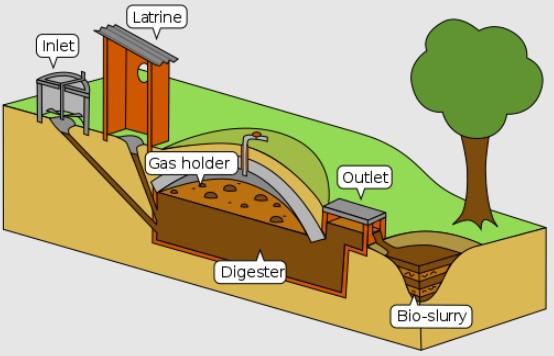
At its core,biogas is a versatile mixture of gases generated through the natural process of anaerobic digestion.Anaerobic digestion occurs when microorganisms break down organic matter—ranging from agricultural residues and food waste to sewage sludge—under conditions devoid of oxygen.The result is a blend of gases,primarily composed of methane(CH4)and carbon dioxide(CO2),alongside trace amounts of other gases like hydrogen sulfide(H2S)and nitrogen(N2).
The Genesis of Biogas Production
1.Feedstock Collection:Various organic materials are collected,including kitchen scraps,crop residues,animal manure,and wastewater sludge.
2.Anaerobic Digestion:These materials are introduced into an anaerobic digester—a controlled environment where microorganisms thrive in the absence of oxygen.
3.Microbial Breakdown:Microbes present in the digester metabolize the organic matter,producing biogas as a metabolic byproduct.
4.Biogas Collection:The generated biogas is collected and can be stored or utilized for energy purposes.
The Green Advantages of Biogas
1.Renewable and Clean Energy:Biogas is a renewable resource,replenished by organic waste streams,and serves as a clean alternative to fossil fuels.
2.Waste Management:Biogas production addresses organic waste disposal challenges,reducing the burden on landfills and curbing methane emissions.
3.Carbon Footprint Reduction:The utilization of biogas reduces carbon dioxide emissions and helps mitigate climate change.
4.Resource Efficiency:Biogas transforms waste materials into valuable energy resources,promoting resource efficiency and circular economy principles.
Applications Across Industries
1.Agriculture:Livestock farms utilize biogas systems to manage manure and generate renewable energy.
2.Municipalities:Wastewater treatment plants harness biogas from sewage sludge,contributing to local energy needs.
3.Food Industry:Food processing facilities can convert food waste into biogas,minimizing waste disposal and energy costs.
Decoding biogas reveals a remarkable energy source that bridges the gap between waste management and renewable energy generation.Through the wonders of anaerobic digestion,organic matter is transformed into a valuable resource that powers homes,industries,and communities.As the world seeks sustainable alternatives to conventional energy sources,biogas emerges as a shining example of nature’s potential harnessed for a cleaner and greener future.
 Manufacturer of biogas analyzer, landfill gas analyzer and extraction monitor, anaerobic digester gas analyzer