
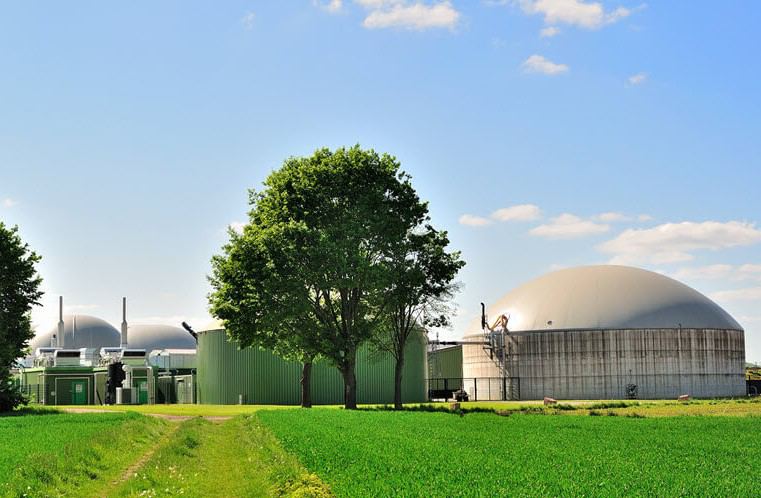
In the ever-evolving landscape of renewable energy,a remarkable transformation is taking place on farms and in rural areas.Manure,a traditional byproduct of livestock farming,is now being harnessed as a potent resource for energy generation through innovative manure digesters.These systems,also known as anaerobic digesters,not only address environmental concerns associated with manure management but also contribute to sustainable energy production.
The Power of Anaerobic Digestion
Manure digesters are designed to convert organic materials,particularly animal manure,into biogas—a mixture primarily composed of methane and carbon dioxide.This process,called anaerobic digestion,occurs in an oxygen-free environment where microorganisms break down organic matter,releasing biogas as a byproduct.The necessary equipment in the biogas production of animal husbandry is the biogas analyzer,which uses advanced photoelectric sensing principle to realize the detection and analysis of methane(CH4),oxygen(O2),carbon dioxide(CO2),hydrogen sulfide(H2S)and other gases,accurately report while effectively checking the digestion process.Anaerobic digestion mimics natural processes that occur in wetlands and landfills,but in controlled environments,enabling optimal energy production and waste management.

Energy Production from Animal Waste
The journey from barn to biogas unfolds in several stages within a manure digester system:
1.Manure Collection:Livestock waste,along with other organic materials like food scraps and crop residues,is collected and fed into the digester.
2.Anaerobic Digestion:Microbes within the digester break down the organic matter,producing biogas as a result.
3.Biogas Capture:The biogas generated is collected and can be used for various energy applications.
4.Energy Utilization:Biogas can be harnessed for on-site electricity generation,heating,and even as vehicle fuel.
Environmental and Economic Benefits
1.Waste Management:Digesters provide a sustainable solution for managing livestock waste,reducing odor,and minimizing nutrient runoff that can harm waterways.
2.Renewable Energy:Biogas serves as a renewable and clean energy alternative,reducing reliance on fossil fuels and lowering greenhouse gas emissions.
3.Nutrient Recovery:The residual material left after digestion,known as digestate,is rich in nutrients and can be used as organic fertilizer,closing nutrient loops and enhancing soil health.
4.Energy Independence:Farms equipped with manure digesters become self-reliant in energy production,contributing to local energy resilience.
Revolutionizing Agriculture and Energy
1.Sustainable Farming:Manure digesters align with sustainable farming practices,reducing the environmental impact of livestock operations and promoting circular economy principles.
2.Rural Development:These systems stimulate rural economies by creating new revenue streams through renewable energy production and organic fertilizer sales.
3.Climate Mitigation:By capturing methane emissions from manure and producing clean energy,digesters contribute significantly to climate change mitigation.
The journey from barn to biogas is not just a technological marvel—it’s a testimony to innovation’s power to reshape industries,enhance sustainability,and address pressing environmental challenges.Manure digesters exemplify the marriage of traditional practices with modern technology,turning agricultural waste into a valuable resource for renewable energy.As farms transform from mere food producers to energy producers,they showcase the potential for holistic solutions that benefit both the environment and the economy.The rise of manure digesters underscores a crucial lesson:what was once considered waste can fuel a cleaner,greener,and more sustainable energy future.
 Manufacturer of biogas analyzer, landfill gas analyzer and extraction monitor, anaerobic digester gas analyzer