

In the pursuit of a more sustainable and eco-friendly lifestyle, the integration of innovative technologies becomes paramount. Among these, the home biogas system stands as a shining example, transforming organic waste into renewable energy right within the confines of your residence.
The Birth of Home Biogas Systems
A home biogas system is a compact yet efficient apparatus designed to convert kitchen scraps, food waste, and even animal manure into biogas. This is achieved through the process of anaerobic digestion, where microorganisms break down organic matter in the absence of oxygen, producing biogas as a result. Biogas is composed primarily of methane (CH4) and carbon dioxide (CO2), making it a valuable source of renewable energy.
A Waste-to-Energy Marvel
The transformation of waste into energy unfolds in several stages within a home biogas system:
1. Waste Collection: Organic waste materials are collected and introduced into the biogas digester.
2. Anaerobic Digestion: Microorganisms within the digester thrive in an oxygen-deprived environment, breaking down the waste and producing biogas.
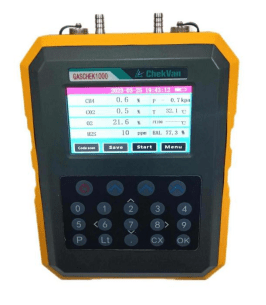
Now the necessary equipment for home biogas is biogas analyzer, which uses advanced photoelectric sensing principle to realize the detection and analysis of methane (CH4), oxygen (O2), carbon dioxide (CO2), hydrogen sulfide (H2S) and other gases, accurately report while efficiently checking the digestion process.
3. Biogas Collection: The generated biogas is collected and can be stored for future use.
4. Energy Utilization: Biogas can be harnessed for various household energy needs, such as cooking, heating, and generating electricity.
The Green Benefits
The adoption of a home biogas system offers a multitude of advantages for both homeowners and the environment:
1. Renewable Energy Source: Biogas serves as a renewable and eco-friendly alternative to conventional fossil fuels.
2. Waste Management: By diverting organic waste from landfills, home biogas systems contribute to efficient waste management and reduce the emission of methane—a potent greenhouse gas.
3. Carbon Footprint Reduction: Utilizing biogas for energy needs significantly reduces the carbon footprint of households, promoting cleaner energy consumption.
4. Energy Independence: Homes equipped with biogas systems become more self-sufficient in terms of energy, especially in regions with erratic power supply.
Embracing a Sustainable Lifestyle
Adopting a home biogas system goes beyond energy production—it reflects a commitment to sustainable living:
1. Educational Impact: The installation of a biogas system educates homeowners and their families about renewable energy sources and responsible waste management.
2. Behavioral Shift: The presence of a biogas system encourages mindful waste disposal and promotes energy-conscious behaviors.
3. Community Engagement: As the popularity of home biogas systems grows, communities collectively contribute to waste reduction, sustainable energy production, and environmental preservation.

The journey from waste to renewable energy starts at home with a biogas system. By transforming organic waste into a valuable resource, these systems empower individuals to make a tangible difference in waste management, energy consumption, and environmental conservation. As homes embrace this technology, they become active participants in the transition toward a greener future. A home biogas system not only produces energy—it cultivates a sustainable mindset that has the potential to ripple across communities and inspire a global shift towards responsible living.
 Manufacturer of biogas analyzer, landfill gas analyzer and extraction monitor, anaerobic digester gas analyzer