
In the global pursuit of sustainable energy solutions,anaerobic digestion(AD)plants have emerged as a pivotal player in revolutionizing the way we produce power and manage waste.AD plants harness the power of microorganisms to break down organic materials,generating biogas—a renewable energy source—and valuable byproducts.
At the heart of AD plants lies the natural process of anaerobic digestion.In this process,microorganisms thrive in an oxygen-depleted environment,breaking down organic materials such as agricultural residues,food waste,and sewage sludge.Through this microbial alchemy,biogas is produced—a mixture primarily composed of methane(CH4)and carbon dioxide(CO2).

Biogas,the primary product of AD,holds the key to a cleaner and more sustainable energy future:
Renewable Energy:Biogas is a renewable energy source,offering an alternative to fossil fuels that deplete finite resources.
Reduced Emissions:AD plants play a crucial role in reducing methane emissions—a potent greenhouse gas—by capturing it during the digestion process.This aids in climate change mitigation.
Energy Diversity:Biogas diversifies the energy mix,contributing to grid stability and reducing dependence on fossil fuels.
Versatile Applications
Electricity Generation:Biogas can fuel generators or turbines to produce electricity,providing a sustainable energy source for homes,businesses,and communities.
Heat Production:Biogas can be used for heating purposes,addressing space heating,water heating,and industrial heating needs.
Vehicle Fuel:After purification and compression,biogas can be used as a low-carbon alternative to conventional vehicle fuels.
Combined Heat and Power(CHP):CHP systems use biogas to simultaneously generate electricity and heat,maximizing energy efficiency.
Waste Management Solution
Waste Diversion:By processing organic waste,AD plants divert materials from landfills,reducing the environmental impact of waste disposal.
Digestate:The byproduct of AD,known as digestate,is a nutrient-rich organic fertilizer that supports sustainable agriculture and soil health.
Advancing Sustainable Development
Circular Economy:AD plants exemplify the circular economy concept by converting waste into resources,reducing waste generation,and conserving natural resources.
Rural Development:In rural areas,AD plants offer economic benefits through job creation,waste management,and localized energy production.
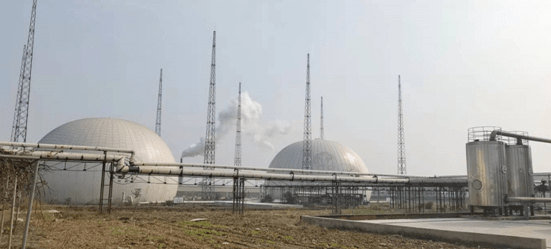
In a world grappling with climate change and energy transition,AD plants shine as a beacon of hope.By harnessing the power of natural processes,they generate clean energy,reduce emissions,and mitigate waste-related challenges.As societies navigate the path to a sustainable future,the role of AD plants becomes increasingly crucial.They unlock the potential for resilient energy systems,efficient waste management,and a greener planet.AD plants are not merely facilities;they are catalysts for change,symbolizing a future where innovation,nature,and sustainability converge to shape a world powered by responsible energy practices.
 Manufacturer of biogas analyzer, landfill gas analyzer and extraction monitor, anaerobic digester gas analyzer