
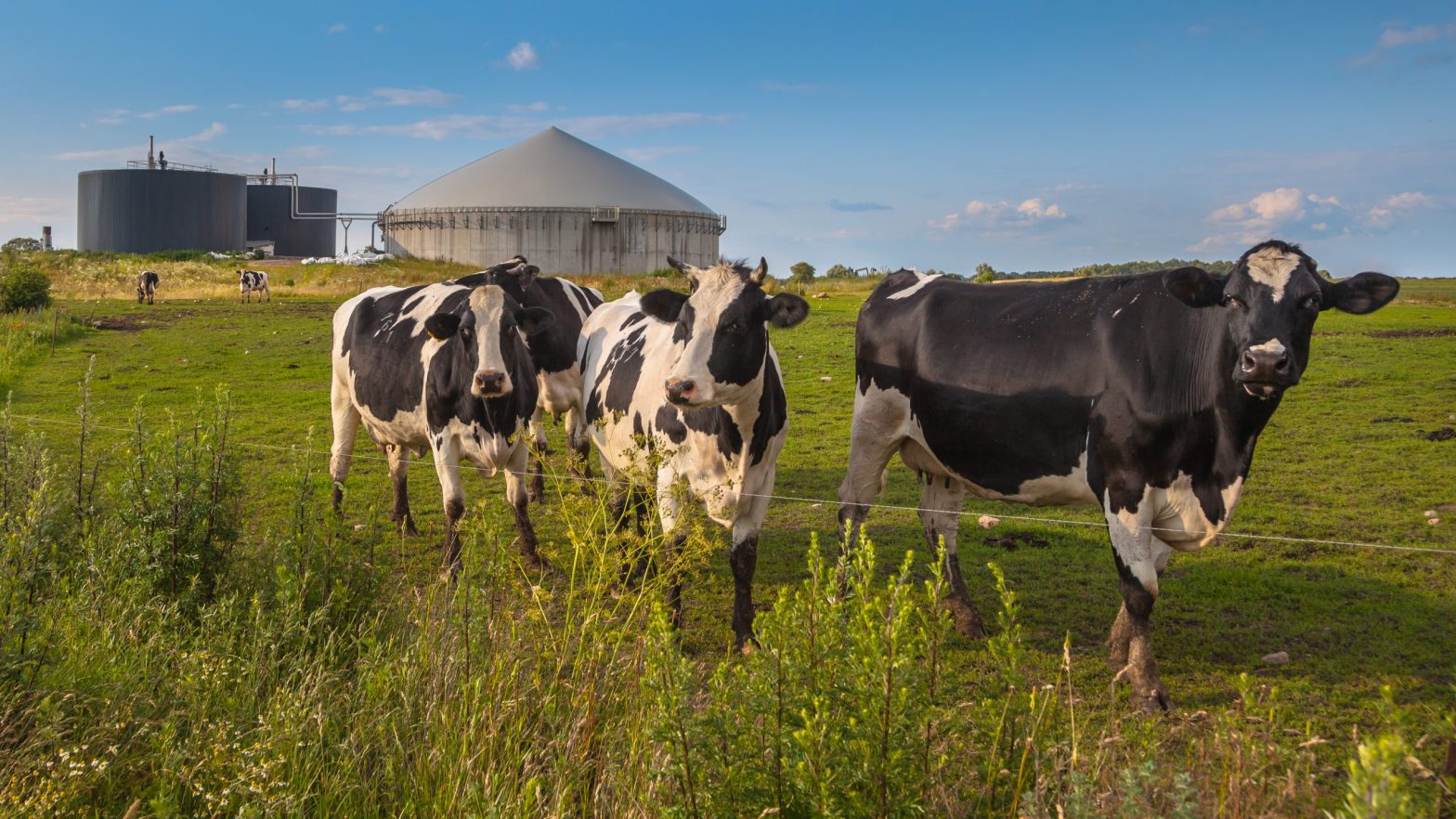
As the world shifts towards renewable and sustainable energy sources,biogas has emerged as a frontrunner in the race to decarbonize energy production.Biogas plants,which convert organic waste into clean energy,hold the promise of not only reducing greenhouse gas emissions but also providing a reliable energy source.However,before embarking on the journey of establishing a biogas plant,it’s crucial to analyze the costs involved and assess the long-term sustainability of such an investment.This article delves into the multifaceted considerations of biogas plant costs,examining both the financial aspects and the broader implications for sustainability.
Biogas Plant Components
Digester Construction:The heart of a biogas plant is the digester,where organic waste undergoes anaerobic digestion to produce biogas.The construction and materials used significantly impact the cost.
Biogas Analyzer:It adopts advanced photoelectric sensing principle to realize the detection and analysis of methane(CH4),oxygen(O2),carbon dioxide(CO2),hydrogen sulfide(H2S)and other gases,and accurately report while checking the digestion process efficiently.
GASCHEK1000 portable biogas analyzer adopts advanced photoelectric sensing principle to realize the detection and analysis of methane(CH4),oxygen(O2),carbon dioxide(CO2),hydrogen sulfide(H2S)and other gases for accurate reporting while checking the digestion process efficiently.

Feeding System:Efficient feeding systems are necessary to introduce organic waste into the digester.The complexity of the feeding system influences the cost.
Gas Collection and Storage:Collecting and storing biogas requires infrastructure like gas holders or storage tanks,adding to the initial investment.
Gas Upgrading:If the biogas is to be purified for specific applications like vehicle fuel or grid injection,additional equipment is needed for gas upgrading.
Electricity Generation:For on-site electricity generation,the cost includes engines or turbines,generators,and the necessary electrical components.
Waste Management:A biogas plant can also be seen as a waste management solution.Factoring in waste collection and transportation costs is essential.
Initial Investment vs.Long-Term Returns
Energy Generation:Biogas plants provide a continuous supply of clean energy,potentially offsetting conventional energy costs over time.
Waste Management Savings:By converting organic waste into biogas,you reduce waste disposal expenses and associated environmental costs.
Economic Benefits:Biogas plants can contribute to local economies by creating jobs in construction,operation,and maintenance.
Sustainability Considerations
Carbon Footprint:Biogas production significantly reduces methane emissions,a potent greenhouse gas,making it a climate-friendly option.
Circular Economy:Biogas plants contribute to a circular economy by repurposing organic waste into valuable resources.
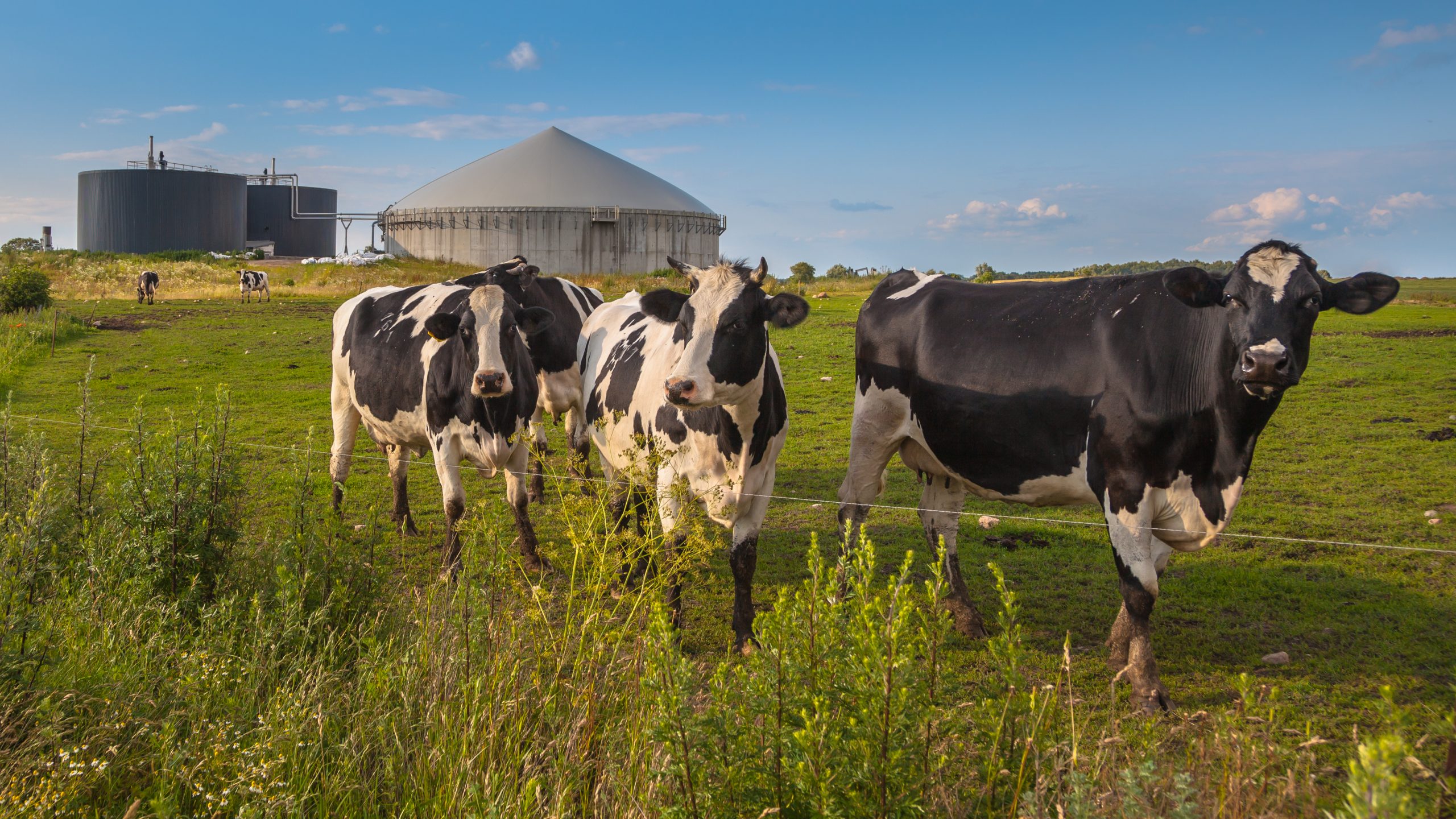
Community Impact:Biogas plants can positively impact local communities by addressing waste management issues and providing renewable energy access.
Analyzing biogas plant costs involves a comprehensive evaluation of financial investments,long-term returns,and broader sustainability implications.While the initial investment can be substantial,the potential for energy generation,waste management savings,and positive environmental impact make biogas plants a promising option for a cleaner and more sustainable energy future.
 Manufacturer of biogas analyzer, landfill gas analyzer and extraction monitor, anaerobic digester gas analyzer