
In the pursuit of a greener and more sustainable future, gobar, or cattle dung, has emerged as an unexpected hero. With the growing recognition of renewable energy sources, harnessing green energy from gobar has become a game-changer in advancing sustainable farming practices and waste management. This innovative approach not only contributes to reducing greenhouse gas emissions but also enhances agricultural productivity and promotes circular economy principles.
The Potential of Gobar as a Renewable Energy Source
Cattle dung is an abundant organic waste material produced by livestock farming. Traditionally, it has been regarded as a waste product with limited use. However, advancements in technology have unlocked the potential of gobar as a valuable resource for renewable energy generation.
Through a process called anaerobic digestion, gobar undergoes decomposition in oxygen-free conditions, facilitated by specialized microorganisms. This biological transformation produces a gaseous mixture known as biogas, which mainly consists of methane (CH4) and carbon dioxide (CO2). Biogas serves as a clean and renewable energy source, with methane being the primary component responsible for its calorific value.
Biogas analyzers are important during the conversion of Gobar into biogas. GASCHEK1000 portable biogas analyzer adopts advanced photoelectric sensing principle to realize the detection and analysis of methane (CH4), oxygen (O2), carbon dioxide (CO2), hydrogen sulfide (H2S) and other gases for accurate reporting while checking the digestion process efficiently.

Advancing Sustainable Farming Practices
Energy for Rural Communities: By converting gobar into biogas, rural farming communities can access a reliable and decentralized energy source. Biogas plants offer a clean and sustainable solution for meeting their cooking, heating, and electricity needs, reducing their dependency on traditional biomass fuels.
Enhanced Agricultural Productivity: The digestate left after gobar undergoes anaerobic digestion is rich in nutrients and serves as an organic fertilizer. By applying this nutrient-rich fertilizer to fields, farmers can improve soil fertility, enhance crop yields, and promote sustainable agricultural practices.
Circular Economy Approach: Embracing green energy from gobar exemplifies the principles of a circular economy. Cattle dung, which was once considered waste, is now a valuable input in a closed-loop system where it generates renewable energy, nourishes the soil, and supports agricultural production.
Advancing Waste Management
Reducing Methane Emissions: Gobar left untreated in open areas or landfills emits methane—a potent greenhouse gas with a significant impact on climate change. Anaerobic digestion of gobar captures methane, converting it into biogas, and thereby mitigating its harmful environmental effects.
Diverting Waste from Landfills: Green energy from gobar helps divert organic waste from landfills, reducing the burden on waste management systems. This reduces the release of methane and other harmful gases into the atmosphere, contributing to cleaner air and a healthier environment.
Sustainable Biogas Production: The circular nature of biogas production ensures that the gobar continuously contributes to renewable energy generation. As long as livestock farming continues, there will be a constant supply of organic waste to produce biogas.
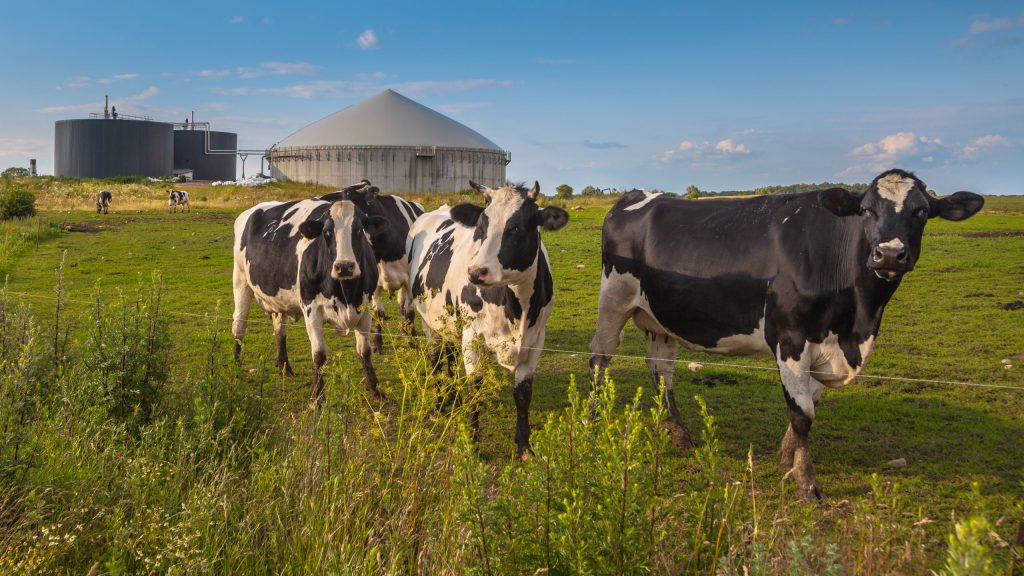
Green energy from gobar is revolutionizing sustainable farming and waste management practices. This circular approach to waste management and energy generation exemplifies the power of sustainable practices and reinforces the importance of embracing renewable energy sources to build a cleaner, greener, and more resilient future. As we continue to harness green energy from gobar, we pave the way for a more sustainable and harmonious coexistence with the environment.
 Manufacturer of biogas analyzer, landfill gas analyzer and extraction monitor, anaerobic digester gas analyzer