

As the world seeks to transition towards sustainable and renewable energy sources, bio digesters have emerged as a promising solution for green energy generation. These innovative systems harness the power of nature and the natural processes of anaerobic digestion to convert organic waste into valuable renewable energy.
Bio digesters, also known as anaerobic digesters, are specialized systems designed to facilitate anaerobic digestion—a process in which microorganisms break down organic matter in the absence of oxygen. This controlled and optimized environment allows for the decomposition of various organic materials, such as agricultural residues, food waste, animal manure, and sewage sludge.
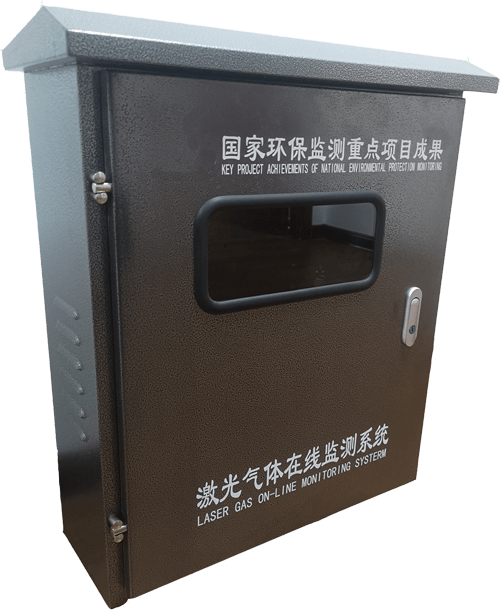
Now the necessary equipment for biogas digesters is biogas analyzer, which uses advanced photoelectric sensing principle to realize the detection and analysis of methane (CH4), oxygen (O2), carbon dioxide (CO2), hydrogen sulfide (H2S) and other gases, accurately report while efficiently checking the digestion process.
The Anaerobic Digestion Process
Hydrolysis: Complex organic compounds are broken down into simpler compounds, such as sugars, amino acids, and fatty acids.
Acidogenesis: Acidogenic bacteria further break down the simpler compounds into organic acids, alcohols, and hydrogen.
Acetogenesis: Acetogenic bacteria convert the organic acids produced in the previous stage into acetic acid.
Methanogenesis: Methanogenic microorganisms utilize the acetic acid and hydrogen to produce methane (CH4) and carbon dioxide (CO2)—the primary components of biogas.
Advantages of Bio Digesters for Green Energy
Renewable Energy Source: The biogas produced by bio digesters is a renewable energy source, constantly replenished by the continuous generation of organic waste. It serves as a reliable and sustainable alternative to fossil fuels.
Reducing Greenhouse Gas Emissions: Bio digesters contribute to mitigating climate change by capturing and utilizing methane—a potent greenhouse gas—during the anaerobic digestion process. This helps to reduce methane emissions, which would otherwise be released into the atmosphere if the waste were left to decompose naturally.
Waste Management Solution: Bio digesters provide an efficient and environmentally friendly waste management solution. By converting organic waste into biogas and digestate (a nutrient-rich residue), they divert waste from landfills and reduce the need for incineration.
Energy Independence: Bio digesters promote energy independence by generating energy locally from available organic waste resources. This decreases reliance on imported fossil fuels and enhances energy security.
Circular Economy Approach: The use of bio digesters aligns with the principles of a circular economy, where waste is considered a valuable resource. The digestate can be used as organic fertilizer, closing the loop and promoting sustainable agriculture.
Diverse Feedstock Utilization: Bio digesters can process a wide range of organic materials, making them adaptable to different waste streams and agricultural residues.

Bio digesters offer a transformative approach to green energy generation, revolutionizing waste management and contributing to a more sustainable future. By harnessing nature’s power through anaerobic digestion, bio digesters convert organic waste into a valuable renewable energy resource—biogas. As the world embraces more eco-friendly and sustainable practices, bio digesters are poised to play a pivotal role in building a greener and more resilient energy landscape.
 Manufacturer of biogas analyzer, landfill gas analyzer and extraction monitor, anaerobic digester gas analyzer