
In the quest for sustainable and renewable energy,biogas has emerged as a valuable solution for generating clean energy from organic waste.Biogas production plays an important role in sustainable resource management by converting waste into valuable energy.To ensure optimal biogas production and maximize energy efficiency,biogas analyzers play a vital role.
Biogas analyzers are advanced instruments designed to measure the key components of biogas,primarily methane(CH4),carbon dioxide(CO2),and often oxygen(O2).By using different technologies,such as infrared sensors,electrochemical sensors or paramagnetic sensors,biogas analyzers can accurately determine the concentration of these gases in biogas.
For example,the OLGA1000 online biogas analyzer adopts advanced laser sensing technology,which can realize online monitoring of methane gas,which is fast,accurate and stable.This product can be widely used in gas safety monitoring in landfill gas power plants,petrochemical,coal mines,etc.,and can realize remote data transmission.
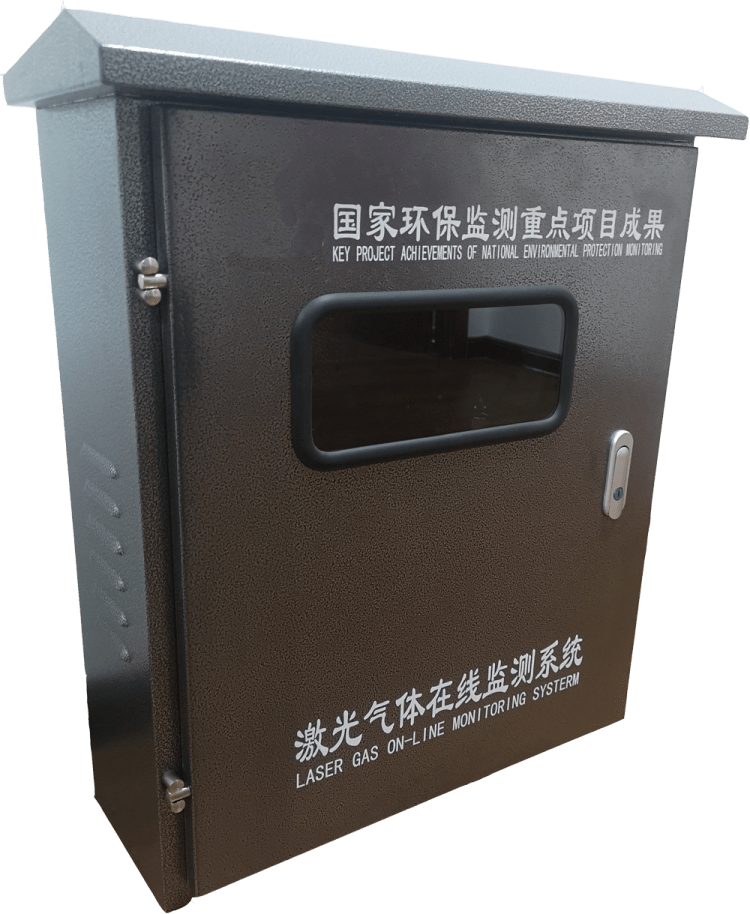
Biogas analyzers promote sustainable resource management
Process control and optimization:Biogas analyzers provide real-time data on biogas composition,enabling operators to monitor and control the biogas production process.By continuously measuring methane and carbon dioxide levels,biogas analyzers enable operators to adjust process parameters such as temperature,pH,and retention time to optimize biogas production.
Troubleshooting and maintenance:biogas analyzers play a vital role in troubleshooting and maintenance of biogas production systems.They enable operators to identify any deviations or fluctuations in gas composition that could indicate process inefficiencies or equipment failures.By detecting and addressing these issues in a timely manner,biogas analyzers help maintain the reliability and performance of biogas production systems,ensuring continued power generation and minimizing downtime.
Energy efficiency and performance assessment:Biogas analyzers provide key data for evaluating the energy efficiency and performance of biogas plants.By analyzing the methane content of the biogas,operators can assess the energy potential and quality of the biogas produced.This information helps to optimize the biogas composition for maximum energy output.By measuring CO2 levels,operators can assess the efficiency of the anaerobic digestion process and identify potential areas of improvement to increase energy production.
Safety and compliance:Biogas analyzers contribute to the safety and compliance of biogas plants.The measurement of gas composition can help operators monitor potential safety risks,such as the formation of explosive gas mixtures.Biogas analyzers ensure that the biogas production process remains in safe operating conditions and prevents the release of harmful gases into the environment.Accurate monitoring of gas composition also helps to comply with environmental regulations and emission limits.
Resource optimization and waste reduction:Biogas analyzers contribute to resource optimization and waste reduction.By continuously monitoring biogas composition,operators can assess the efficiency of different feedstock inputs and adjust feedstock mix accordingly.This helps to optimize the use of organic waste resources and minimize waste generation.
Data-driven decision-making:Biogas analyzers provide valuable data to support data-driven decision-making in the biogas industry.By monitoring and analyzing gas composition,operators can assess the impact of process changes,evaluate the performance of different feedstocks,and optimize biogas production strategies.

Biogas analyzers enable efficient and reliable biogas production,which plays a key role in sustainable resource management.By utilizing the data provided by biogas analyzers,the biogas industry can efficiently convert organic waste into valuable energy,reduce environmental impact and contribute to a more sustainable future.
 Manufacturer of biogas analyzer, landfill gas analyzer and extraction monitor, anaerobic digester gas analyzer